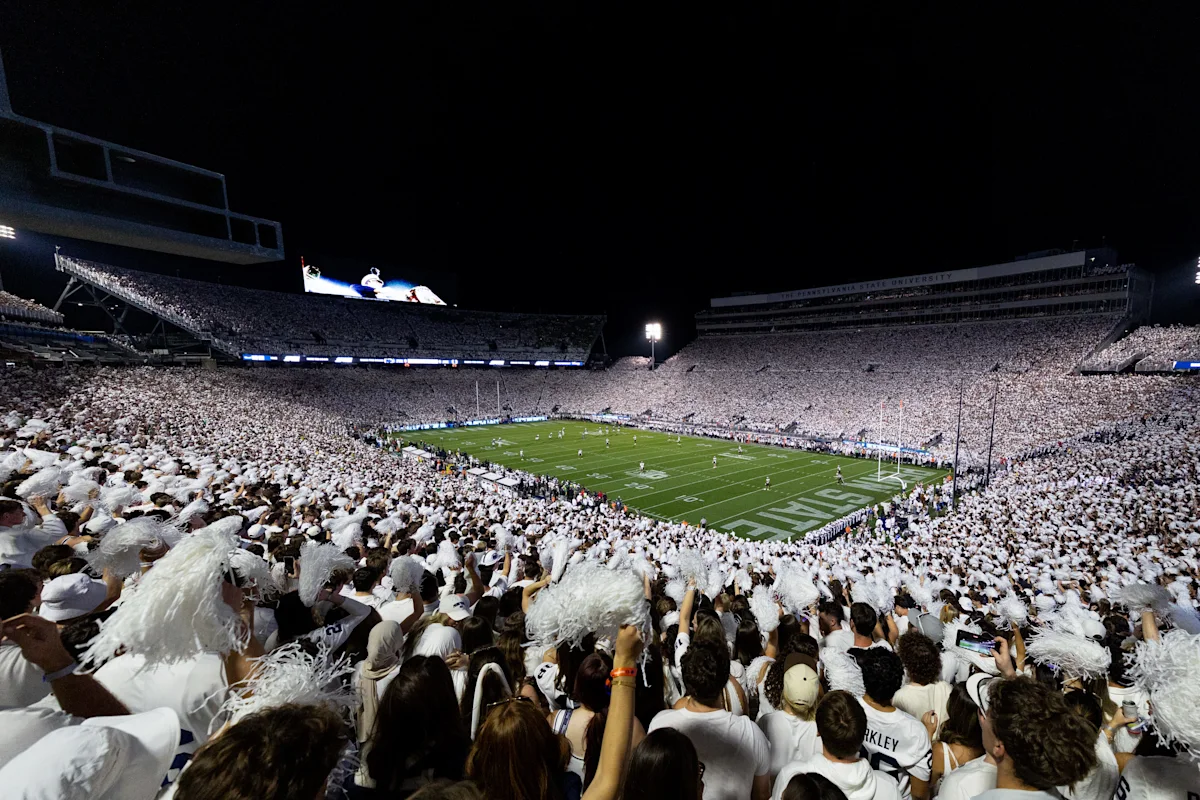
Lightning protocols raise logistical concerns for 2026 World Cup schedule
With the tournament set to begin in Mexico, officials and analysts are weighing the impact of summer thunderstorms on North American venues, where five stadiums remain exposed to weather-related disruptions.
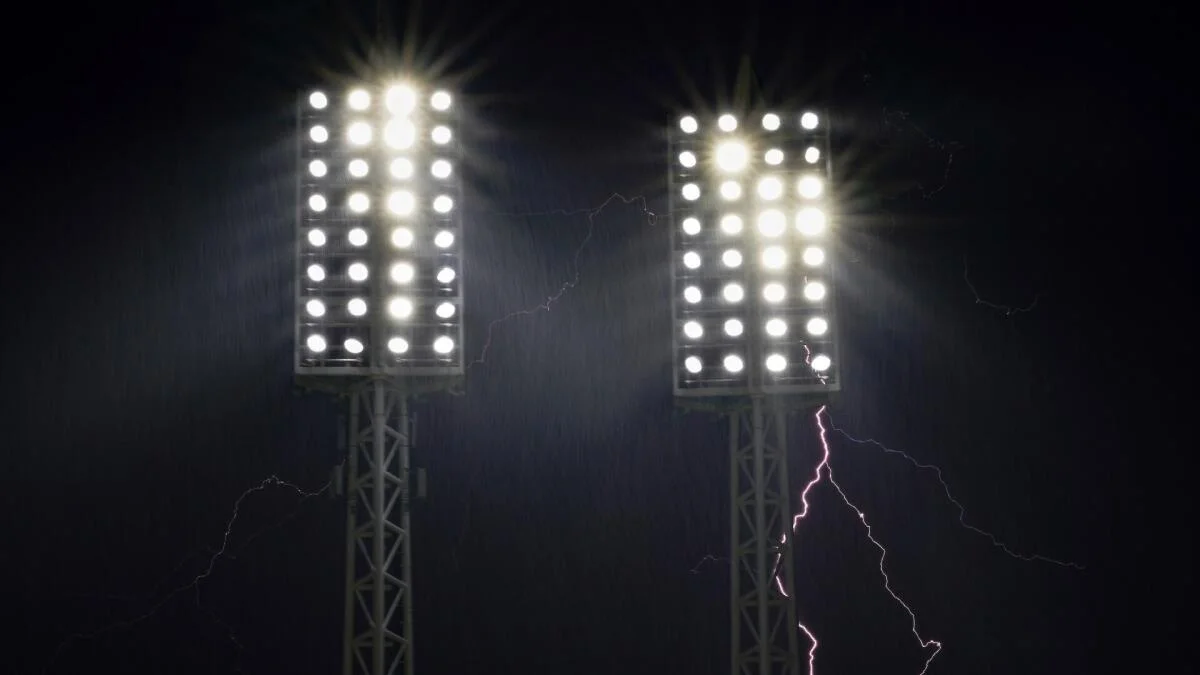
As the 2026 FIFA World Cup prepares to commence with Mexico hosting South Africa, attention has turned to the logistical complexities posed by North American summer weather. While teams from cooler climates must adjust to rising temperatures, the primary operational risk lies in the potential for thunderstorms and lightning at open-air stadiums. Five venues—Atlanta, Dallas, Houston, Vancouver, and Los Angeles—feature roofs and are excluded from this weather risk assessment, leaving other sites exposed to the elements.
Soccer is traditionally a rain-or-shine sport, with World Cup pitches designed to drain water effectively, meaning rain alone rarely halts play. However, lightning triggers strict safety protocols. If strikes are detected within an eight-mile radius of an outdoor stadium, matches must be suspended for a minimum of 30 minutes. Should lightning continue to strike within that radius during the stoppage, the countdown restarts, potentially leading to indefinite delays until conditions clear.
The impact of these stoppages extends beyond mere timekeeping. Following a delay, players are required to undergo a warm-up period before play can resume, adding further time to the disruption. Coaches at previous events have noted that such interruptions fundamentally alter the flow of the game, causing a loss of momentum that is difficult to regain. This was evident during the 2025 FIFA Club World Cup, where a match between Chelsea and Benfica was halted in the 86th minute for 1 hour and 53 minutes, eventually extending into extra time and lasting more than four hours.
Historical precedents highlight the severity of these disruptions. A friendly match between Saudi Arabia and Puerto Rico in Austin, Texas, was paused for nearly two hours due to weather. These instances underscore the challenges for teams operating on tight travel schedules within the tournament’s multi-timezone structure. In extreme cases, late-night matches with significant delays may be completed the following day, creating complex logistical hurdles for squads with immediate onward travel commitments.
Beyond lightning, forecasters from the World Weather Attribution research group have warned of broader environmental risks. They estimate that 26 of the 104 games may be played in conditions where the Wet Bulb Global Temperature exceeds 26 degrees, posing potential health risks to players and spectators. As the tournament unfolds, the interplay between strict safety protocols, player welfare, and logistical feasibility will remain a critical focus for FIFA and participating nations.