Libyan Intelligence Chief Killed in Car Bombing as Reunification Efforts Stall
The killing of the Libyan National Army’s intelligence head raises fresh questions about stability in the east and threatens to delay the unification of Libya’s divided governments.
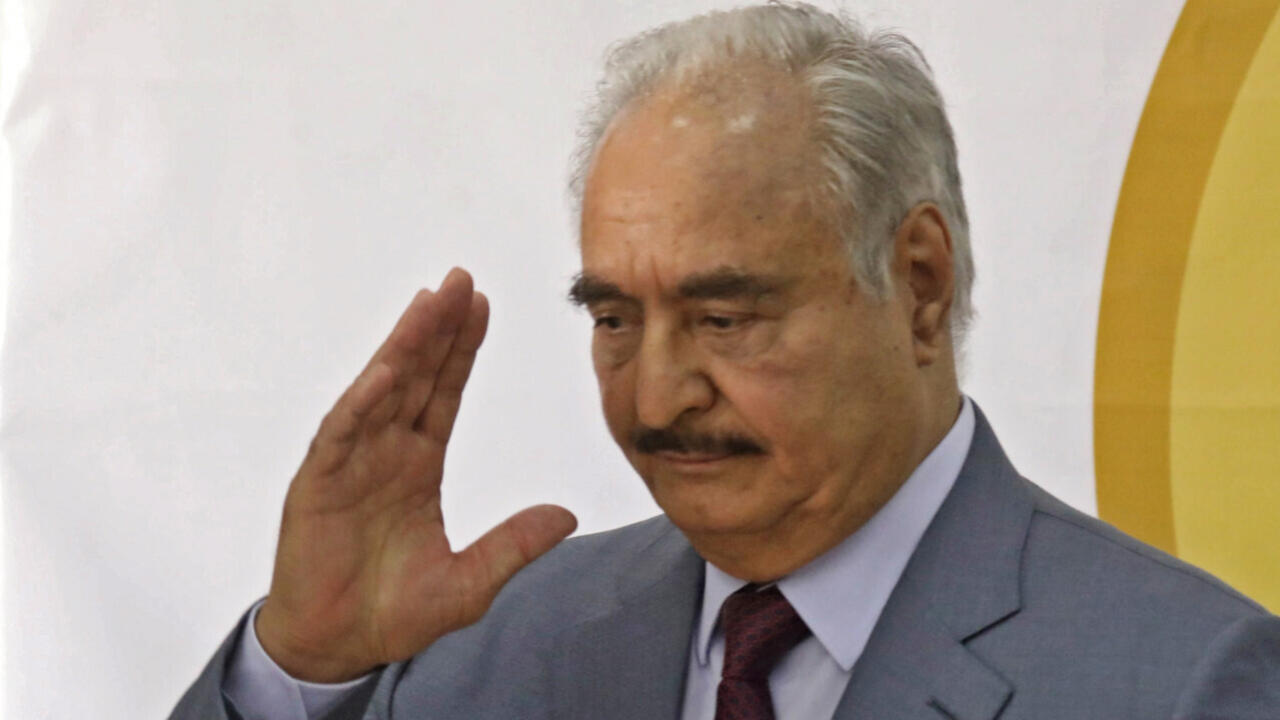
Fawzi al-Mansouri, the head of military intelligence for the Libyan National Army (LNA), was killed in a car bomb explosion in Benghazi on Monday. The attack occurred as al-Mansouri was leaving a local mosque at night, with an explosive device attached to his vehicle detonating upon his departure. The LNA confirmed the assassination in a statement on Tuesday, describing the event as a targeted act that has intensified scrutiny over security in the eastern stronghold of military commander Khalifa Haftar.
Libya remains divided between the UN-recognised administration in Tripoli, led by Prime Minister Abdulhamid Dbeibah, and a rival administration in Benghazi backed by Haftar. Al-Mansouri was a prominent figure with close ties to the Haftar family, having played a key role in fighting jihadist groups between 2014 and 2017 and serving as a leading figure during Haftar’s 2019 offensive on Tripoli. His death has drawn condemnation from the Tripoli-based government, which denounced the killing as a terrorist attack regardless of political alliances.
Khaled Haftar, the son of Khalifa Haftar, stated that an investigation had been opened and described the incident as a despicable terrorist tactic. He asserted that terrorism was a project targeting the entire region, not just Libya. In a separate development, the LNA announced that authorities in Benghazi had arrested a terrorist cell preparing for sabotage, though it remains unconfirmed whether this group was linked to the assassination of al-Mansouri.
The bombing presents a significant challenge to efforts to unify the country’s executive powers under a Washington-mediated plan that the LNA has publicly backed. Analysts note that the attack undermines the premises of security and loyalty to Saddam Haftar, the son and heir apparent of Khalifa Haftar, which underpin the reunification deal. Jalel Harchaoui, a Libya expert, indicated that the killing would disrupt or at least delay the US-brokered agreement, noting that the bomb’s ability to target such a high-profile figure in a secure area suggests significant capabilities on the part of the responsible actor.
Al-Mansouri’s funeral was held on Tuesday afternoon, attended by senior LNA officials including Khaled and Saddam Haftar. The LNA described al-Mansouri as a heroic martyr, while the broader political context suggests that a new destabilising power struggle could emerge. The attack has raised concerns about the stability of the areas controlled by the LNA and the viability of the current roadmap for unifying Libya’s institutions.