Liberties report flags erosion of press freedom across European Union
New findings link structural changes in the media landscape to a broader democratic decline, raising concerns over political accountability and the rule of law.
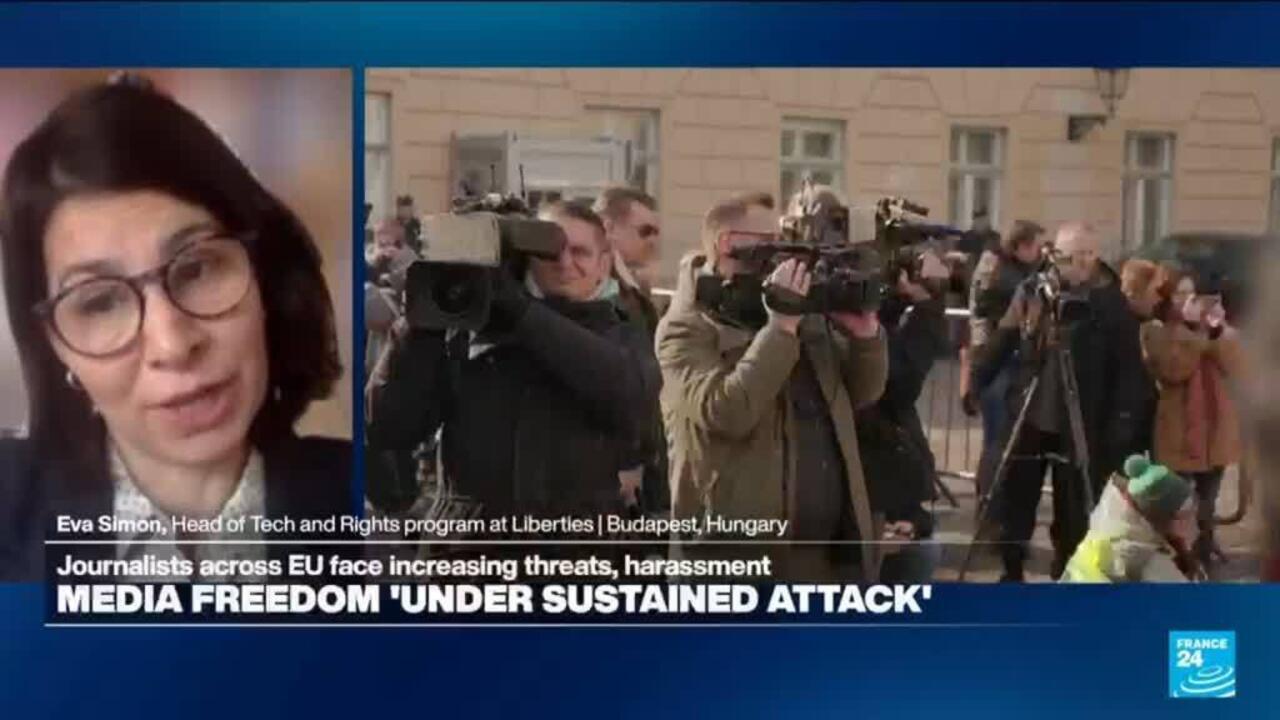
A new report released by the civil liberties group Liberties indicates a significant decline in press freedom across the European Union. The findings, which draw on data from 22 member states, characterise the current media environment as more concentrated, less transparent, and less trusted than in previous periods. Oliver Farry and Eva Simon, Head of Tech and Rights Program at Liberties, presented the research to highlight the urgency of the situation.
Ms Simon argues that this erosion of press freedom is symptomatic of a broader democratic decline. She emphasises that the health of democratic institutions is deeply intertwined with the rule of law and political accountability. According to the report, the lack of diverse information sources for the public stems directly from concerns regarding media ownership structures.
"So there is a link between media ownership and democracy," Ms Simon explains. She notes that it is concerning when people do not have access to a diverse range of information. The report suggests that without these varied sources, the public's ability to hold power to account is compromised.
The analysis indicates that the concentration of media ownership has led to a landscape where transparency has diminished. This shift has occurred alongside a reduction in the diversity of voices available to the public. The report frames these structural issues not merely as market dynamics but as critical threats to the functioning of democratic governance within the bloc.
By linking the decline in press freedom to the health of democratic institutions, the report underscores the importance of regulatory oversight. The findings suggest that the current trajectory poses a risk to the fundamental principles of political accountability. Liberties asserts that addressing these ownership issues is essential for reversing the trend of democratic backsliding observed in the data.
The presentation of these findings by Oliver Farry and Eva Simon serves as a stark warning to policymakers. The report calls for a renewed focus on ensuring that media landscapes remain open and diverse. Without intervention to address the concentration of ownership, the report warns that the integrity of the EU's democratic framework could be further eroded.