Lettuce Outbreak Exposes Structural Vulnerabilities in US Food Supply
With over 7,100 cases reported in Michigan, the current outbreak underscores systemic challenges in sanitising raw produce, complex supply chains, and irrigation practices that continue to drive foodborne illness rates.
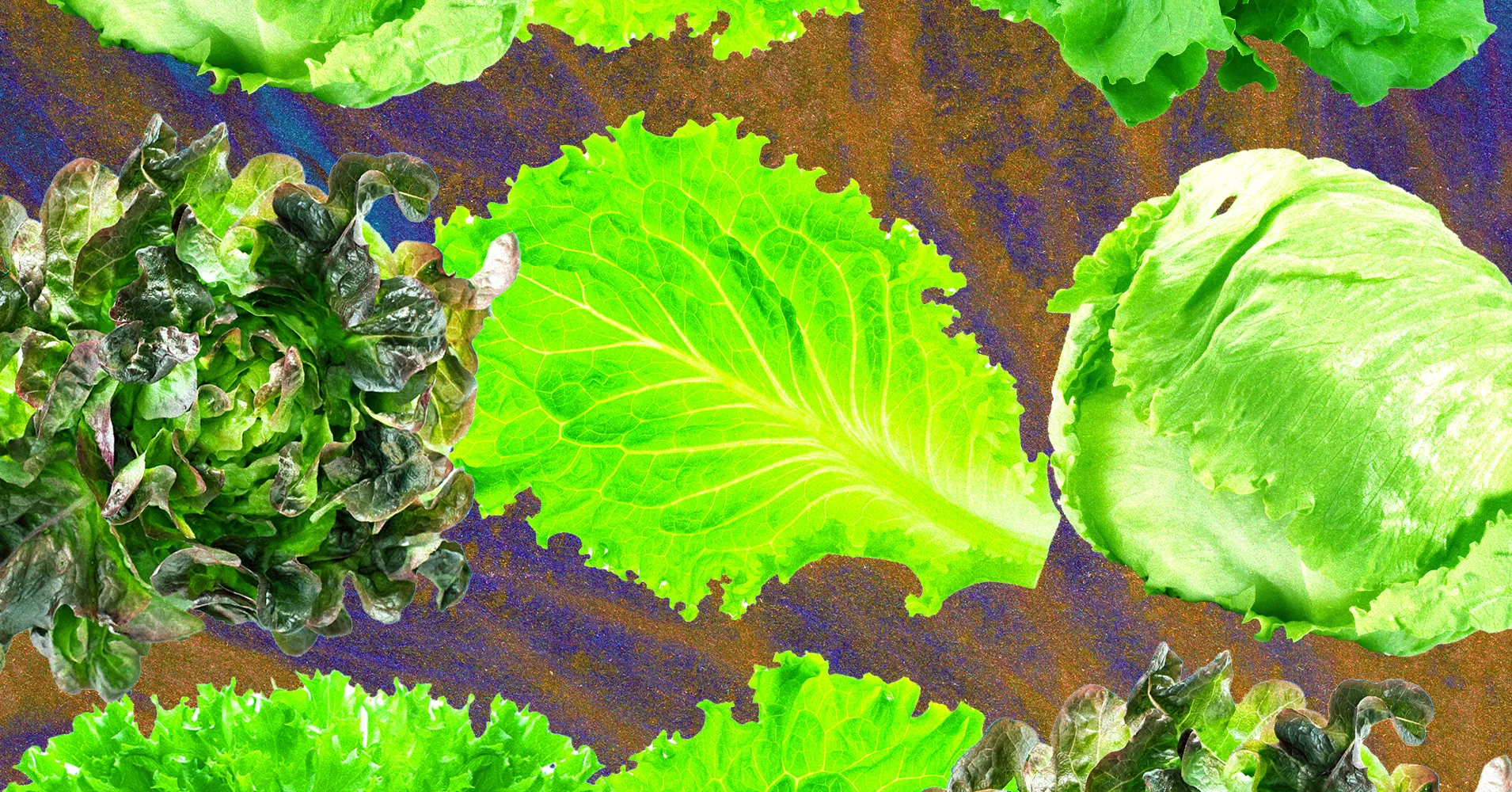
The United States is currently grappling with a significant cyclosporiasis outbreak linked to iceberg lettuce supplied by Taylor Farms, with more than 7,100 cases confirmed in Michigan alone. This incident is not an isolated anomaly but rather a manifestation of a persistent pattern of foodborne illnesses associated with leafy greens. According to the Centers for Disease Control and Prevention, produce is responsible for nearly half of all reported foodborne illness cases, with leafy vegetables topping the list.
The structural and operational characteristics of lettuce production create inherent safety challenges. As the second-most consumed vegetable in the US, lettuce is a staple in fast food, grocery coolers, and ready-to-eat salad kits. These mixed greens often aggregate products from multiple farms; if a single component is contaminated, the entire batch becomes a vector for widespread distribution. Furthermore, because lettuce is typically consumed raw, it bypasses the thermal kill steps, such as heating or pasteurization, that eliminate pathogens in other food manufacturing processes.
Physical attributes of the vegetable further complicate safety measures. Jeanne Marrazzo, chief executive of the Infectious Diseases Society of America, notes that the crevices and folds in lettuce leaves easily trap pathogens. Even prewashing procedures at manufacturing facilities may fail to remove microbes that cling tightly to the leaves. In the case of the current outbreak, the Cyclospora parasite possesses thick outer walls that render it resistant to most standard food sanitizers, requiring vigorous scrubbing for effective removal.
Agricultural practices also contribute to the risk profile. A 2025 study by researchers at Cornell University identified untreated surface water used in overhead spray irrigation as a significant source of E. coli contamination in romaine. While switching to irrigation systems that do not directly touch the leaves could mitigate this risk, such upgrades require substantial infrastructure investment and operational downtime, creating a barrier to immediate industry-wide adoption.
Historical data illustrates the recurring nature of these risks. Previous incidents include a 2022 multistate E. coli outbreak tied to romaine served on Wendy’s sandwiches, a 2021 Salmonella recall by BrightFarms, and a 2020 cyclospora outbreak linked to Fresh Express salad kits. Amira Roess, an epidemiologist at George Mason University, emphasises that without rigorous washing protocols, consumers remain vulnerable to ingesting pathogens present on the produce.