Leonardo’s SignalTrace system links mobile signals to vehicles, sparking privacy debate
New research indicates that roadside sensors detecting Bluetooth and radio frequency signals can identify individuals through movement patterns and proximity, even without direct name retrieval.
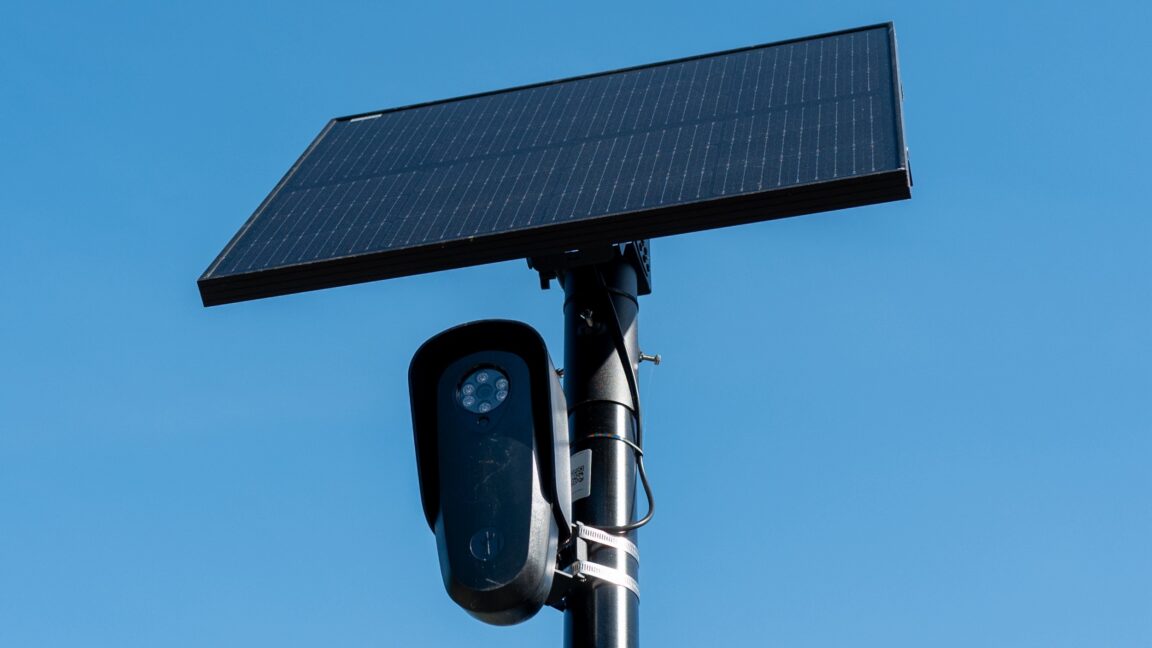
Leonardo has marketed SignalTrace, a surveillance system utilising roadside sensors to detect Bluetooth and radio frequency signals from mobile devices. The technology associates recurring electronic signatures with automatic license plate reader data, allowing investigators to link unidentified devices to specific vehicles and potentially identify individuals based on movement patterns and proximity.
The system is designed to work alongside automatic license plate readers, recognising groups of consumer devices that regularly move together and associating them with license plate records and time-stamped locations. The pattern can be searched even when a police investigator does not know the plate number. One report indicates that several of the devices are installed in Oxon Hill, Maryland, and the company’s predecessor technology appears on an official New York state contract price list.
Leonardo’s explanatory sheet states that SignalTrace “does not identify people” and “only collects electronic signatures” from signals already being broadcast. The company says the output must be corroborated through ordinary investigative methods. However, experts warn that the system enables indirect identification through relational inference, raising significant privacy and Fourth Amendment concerns regarding police surveillance practices.
A study in the journal Scientific Reports found that four time-and-place points were enough to uniquely identify 95% of people in a dataset of 1.5 million people. Additionally, a study in the Proceedings of the National Academy of Sciences found that patterns of behaviour could accurately classify 95% of reciprocally reported friendships based on proximity. These findings suggest that repeated movement and proximity can make supposedly anonymous records distinctive.
The Supreme Court’s June 2026 decision in Chatrie v. United States held that obtaining location data constituted a Fourth Amendment search, noting that even short-term monitoring can reveal political, family, and other associations. While the ruling did not directly address SignalTrace, it highlights the legal tension between police collection of wireless signals and individual privacy rights.
Nicole M. Bennett, a PhD candidate in geography and assistant director at the Center for Refugee Studies at Indiana University, authored the analysis republished from The Conversation. She argues that SignalTrace shifts investigative emphasis towards people’s movements and associations before their identities are known, challenging existing rules for license plate readers.