Legal experts dismiss Trump’s claim to annex Strait of Hormuz as unconstitutional
President Donald Trump has declared his intention to designate the Strait of Hormuz as a US territory, asserting American control through an ongoing naval blockade. Iranian officials have rejected the remarks as nonsense, while legal scholars and international law specialists indicate the move is constitutionally impossible and would violate the UN Charter.
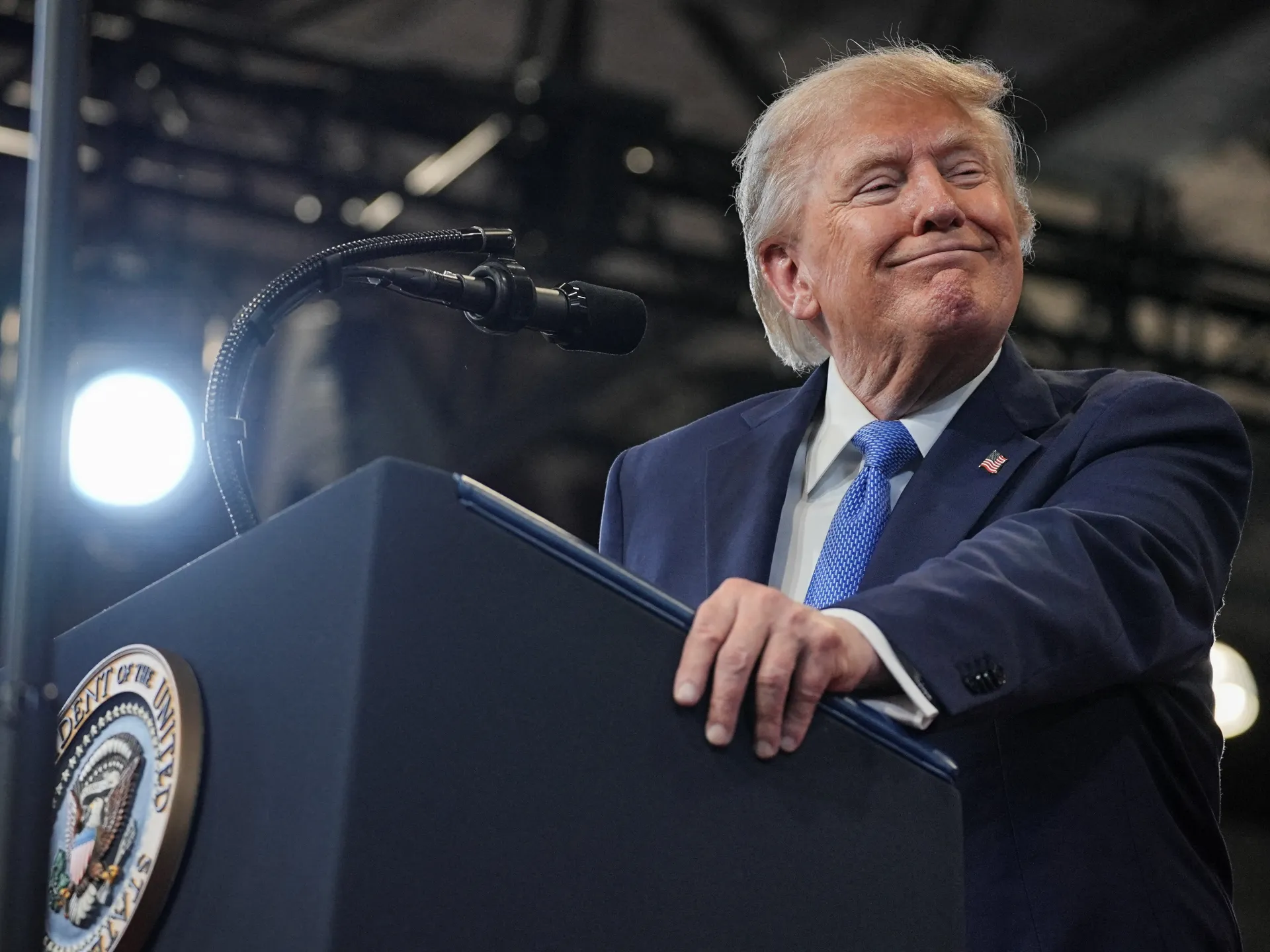
US President Donald Trump has declared his intention to designate the Strait of Hormuz as a territory of the United States, stating the waterway is effectively already under American control due to an ongoing naval blockade. The threat emerges as the war between the US and Iran, which began on 28 February, enters a diplomatic deadlock with the expiration of a June memorandum of understanding. Iran has dismissed the remarks as nonsense, asserting that the strait remains Iranian sovereign territory and that it retains control over maritime passage.
Legal experts and analysts indicate that unilateral annexation is constitutionally impossible for the US president and would constitute aggressive war under international law. Bruce Fein, associate deputy attorney general under President Ronald Reagan, stated that a treaty ratified by the Senate or statute is required to annex territory. He warned that proceeding with annexation would constitute the crime of aggressive war under international law, including the UN Charter. Natalie Klein, a specialist in international law at the University of New South Wales, noted that the claim would only have plausibility if the US were asserting control as an occupying power, which would require military control over Iran or its coastal areas.
Iran has firmly rejected the US position. Kazem Gharibabadi, Iran’s deputy foreign minister, said the Strait of Hormuz cannot be seized by tweet, aircraft carrier, or election speech. He affirmed that the strait is Iranian and will only be closed or opened under Iran’s command. Meanwhile, Iran is negotiating with Oman regarding maritime traffic management, with Foreign Minister Abbas Araghchi indicating that talks with Muscat may reach a conclusion soon regarding the management of the waterway.
The US faces domestic pressure over rising petrol prices and low public approval of the conflict. A Reuters/Ipsos poll showed that barely 35 percent of Americans approve of the war. Petrol prices have increased, averaging more than $4 a gallon, prompting Vice President JD Vance to state that controlling petrol prices is the administration’s top priority in the war. Reports also suggest Washington is running short on munitions, including crucial Patriot antimissile interceptors.
Under international laws, including the UN Convention on the Law of the Sea, neither the US nor Iran enjoys unfettered sovereignty over the strait as a whole. The convention recognises coastal-state sovereignty over territorial waters but limits that sea to 12 nautical miles, noting that ships enjoy a right of passage that shall not be impeded. The Strait of Hormuz is in international waters, sandwiched between the coasts of Iran and Oman, with its narrowest point being only about 21 nautical miles wide.