Lee Jae-myung proposes peace talks to end Korean War as Pyongyang deepens Russian ties
President Lee Jae-myung calls for dialogue to formally conclude the 1950–53 conflict, offering talks without preconditions as North Korea asserts its status as an irreversible nuclear state and strengthens military cooperation with Moscow.
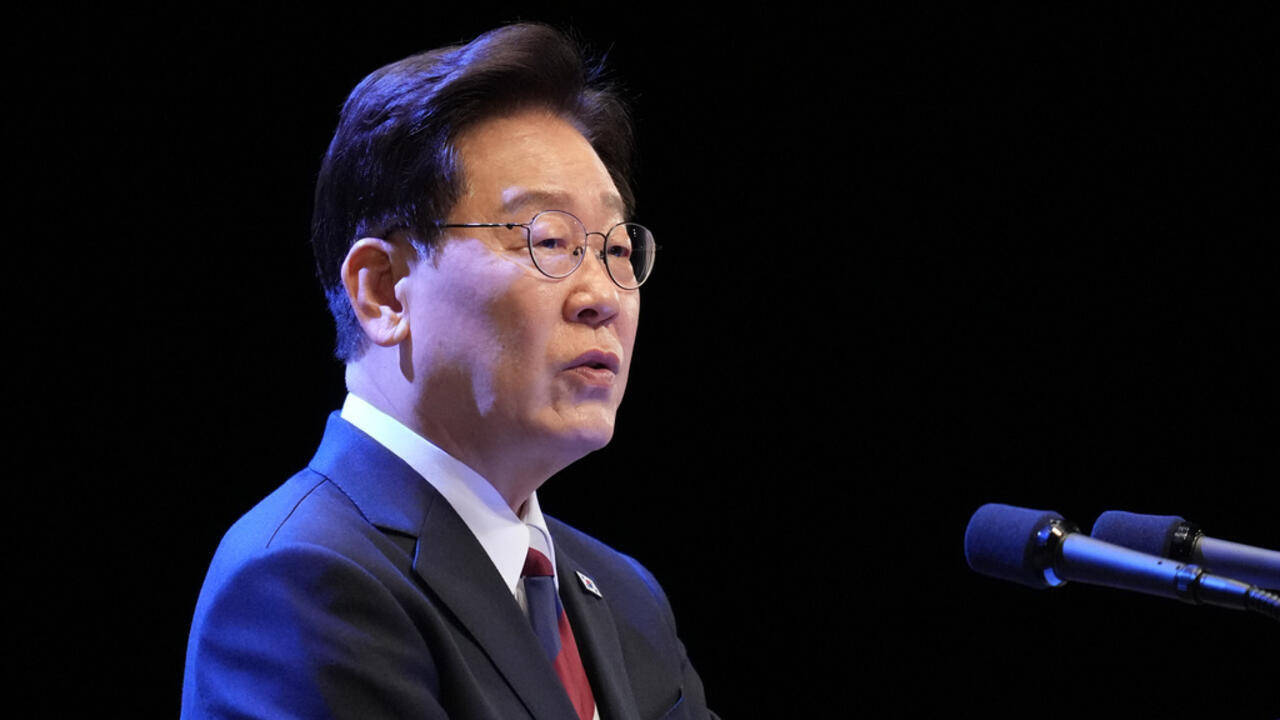
South Korean President Lee Jae-myung has formally proposed dialogue with North Korea to end the Korean War, marking a significant shift in Seoul’s security policy. Speaking at a ceremony commemorating the anniversary of Korea’s liberation from Japanese colonial rule, Lee urged both sides to discard threats and begin discussions as directly involved parties. He indicated that such talks could also address measures to halt the advancement of Pyongyang’s nuclear capabilities.
The proposal comes as the Korean Peninsula remains technically at war, a status that has persisted since the 1950–53 conflict concluded with an armistice rather than a peace treaty. Lee’s offer represents a departure from the hardline stance of his predecessor, signalling a move away from unconditional pressure for denuclearisation. Since taking office in June 2025, Lee has positioned himself as a dovish leader willing to engage with nuclear-armed Pyongyang without preconditions.
This policy recalibration was further clarified in July by South Korea’s unification minister, who stated that Seoul had abandoned its campaign prioritising the dismantling of North Korean nuclear weapons. Instead, the government’s focus has shifted to halting the expansion of Pyongyang’s nuclear activities. The change in approach occurs against a backdrop of heightened regional tensions, with North Korea recently firing two ballistic missiles in less than a week.
Pyongyang has cited Japan’s military build-up and upcoming US-South Korean joint military drills as justifications for its recent missile tests. North Korea has also denounced the annual exercises, warning of stronger deterrence measures. The hermetic leadership in Pyongyang has yet to respond to Lee’s repeated offers of dialogue, choosing instead to bolster its military ties with Russia.
Analysts note that North Korea is receiving financial support, food, energy, and military technology from Moscow in exchange for supplying troops and munitions for Russia’s war in Ukraine. Colonel Ryan Donald, spokesman for the US and South Korean Combined Forces Command, stated that North Korea’s deployment to Ukraine has altered the threat landscape on the peninsula, with Pyongyang bringing back combat lessons that could impact future engagements.
The United States maintains approximately 28,500 troops in South Korea to bolster defences against military threats from the North. North Korea has declared itself an irreversible nuclear state since the collapse of a 2019 summit between leader Kim Jong-Un and then-US President Donald Trump. Kim is expected to visit Russia later this year, potentially to discuss further weapons supplies to Moscow.