Lebanon’s political factions navigate shifting alliances and leadership transitions
As the Future Movement prepares for its 2026 return, Hezbollah’s military weakening and the Amal Movement’s leadership uncertainty highlight the fragility of Lebanon’s governance structures.
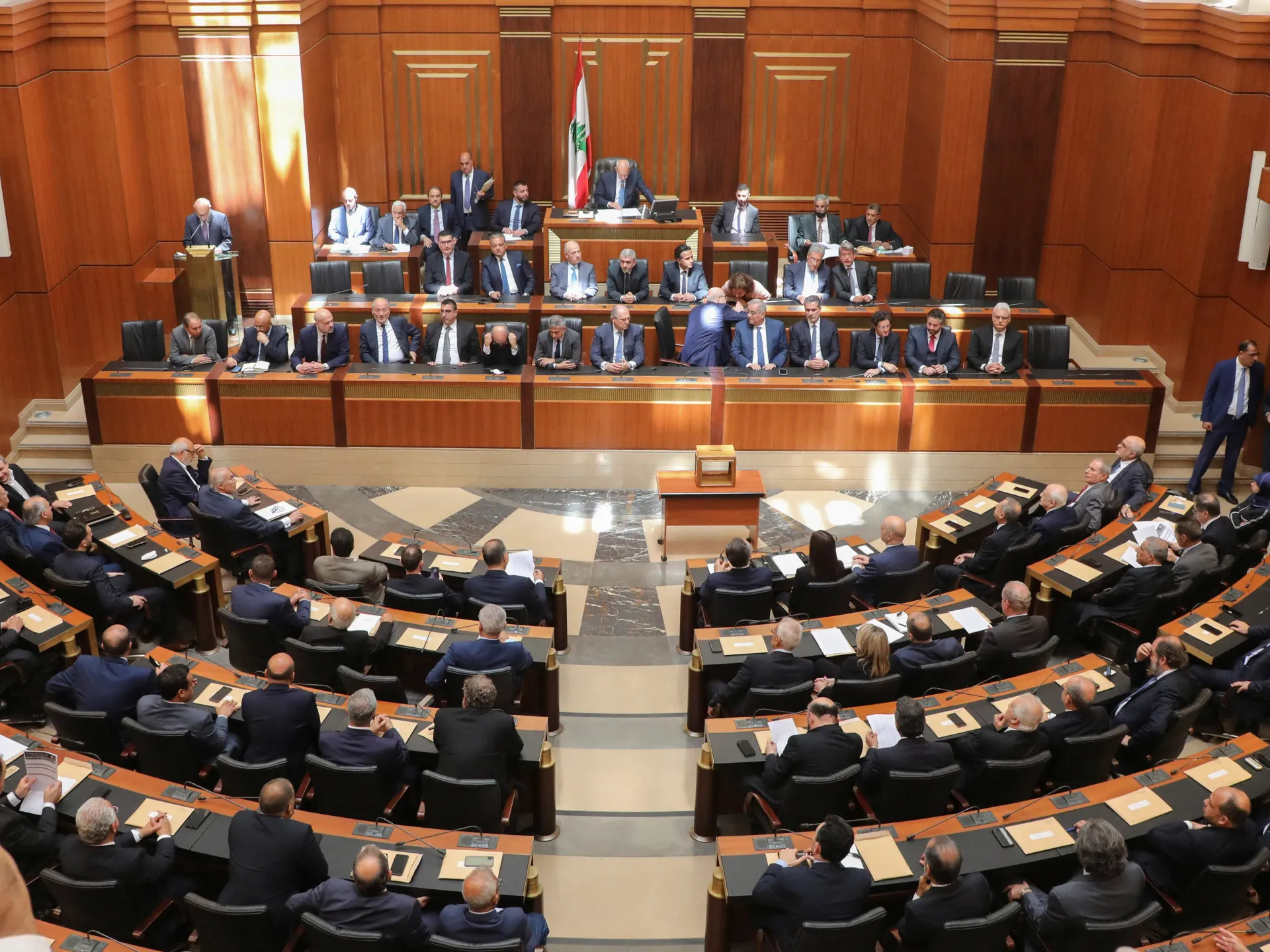
Lebanon’s political landscape remains defined by deep sectarian divisions and the dominance of powerful movements, with Hezbollah continuing to exert significant influence despite recent military setbacks. According to an overview published by Al Jazeera, the country’s political architecture is characterised by a difficulty in forming a strong power centre capable of addressing ongoing security and economic crises. While the Lebanese government has initiated efforts to disarm Hezbollah to establish a state monopoly on arms, the group has resisted, maintaining that its weapons are necessary for defence against Israel.
Hezbollah, formed in 1982 and funded by Iran, remains the most prominent political and military force. Its leadership has been significantly weakened following Israeli actions in 2024 that resulted in the death of longtime leader Hassan Nasrallah and the loss of much of its military command. The group’s ally, Bashar al-Assad, has also fallen in Syria. Despite these setbacks, Hezbollah, led by Secretary-General Naim Qassem, continues to play a central role in national security debates, arguing that it must retain arms to oppose Israeli aggression.
The Lebanese Forces, led by Samir Geagea, stands as the largest Christian parliamentary party and a staunch critic of Hezbollah. Geagea, a former militia leader who spent 11 years in solitary confinement, leads a party that was a key member of the pro-West March 14 bloc. The Lebanese Forces currently holds four ministerial positions and adamantly opposes Hezbollah’s armed status. The party collaborates with the Kataeb Party, founded by Geagea’s predecessor’s father, though the Lebanese Forces has overtaken it as the more significant political player within the Christian community.
In the Sunni political sphere, the Future Movement, led by Saad Hariri, is scheduled to return to politics in 2026 after a hiatus that began in 2022. Founded by Hariri’s father, Rafik, the party was historically a multiconfessional bloc but is now considered predominantly Sunni. Its base is concentrated in coastal cities such as Sidon and Beirut, as well as in northern areas like Akkar. The party’s return marks a significant shift in a political environment where it previously lost members and influence to other factions.
The Amal Movement, led by Nabih Berri, remains a key Hezbollah ally and part of the Shia Duo. Berri, who has served as Speaker of Parliament since 1992, is 88 years old, with rumours circulating regarding his health and no stated successor. The party, which has two ministers in government, is popular in Beirut’s southern suburbs and the south. Meanwhile, the Free Patriotic Movement, led by Gebran Bassil under US sanctions for corruption, and the Progressive Socialist Party, now led by Taymour Jumblatt since 2023, continue to navigate their respective sectarian bases and shifting alliances within the parliament.