Lebanon's food security situation deteriorates as 1.24 million face acute hunger
Institutional monitoring indicates a significant reversal of pre-war gains, with conflict and displacement driving the surge in food insecurity.
A joint assessment released on 29 April 2026 by the United Nations Food and Agriculture Organization (FAO), the World Food Programme (WFP) and Lebanon's Ministry of Agriculture indicates that 1.24 million people in the country are expected to face acute hunger between April and August. This projection marks a significant deterioration from the pre-war estimate of 874,000 individuals, representing a sharp reversal of recent food security gains.
The Integrated Food Security Phase Classification (IPC), a UN-backed monitoring group that conducted the assessment, attributes this surge to the ongoing conflict between Israel and Hezbollah, mass displacement and compounding economic pressures. Allison Oman Lawi, the WFP country director in Lebanon, noted that families who were previously managing to cope are now being pushed back into crisis as rising costs collide with the realities of active conflict.
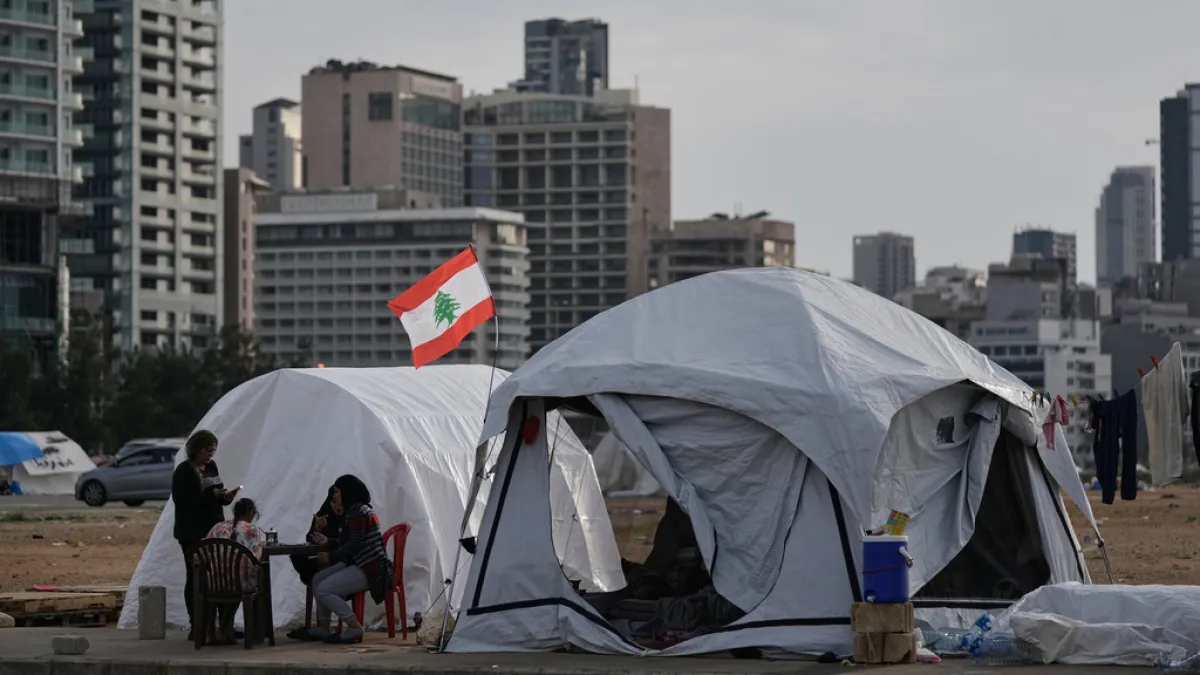
While a ceasefire effective from 17 April has reduced the intensity of fighting, the report highlights that the humanitarian policy environment remains volatile. Israeli forces continue to operate in south Lebanon near the border, where residents have been warned not to return, and both sides have continued to trade fire despite the truce. This ongoing instability prevents displaced populations from returning to their homes and undermines the stability required for agricultural recovery.
Nora Ourabah Haddad, the FAO representative in Lebanon, stated that compounded shocks are undermining agricultural livelihoods and impacting overall food security. The assessment underscores the urgent need for emergency agricultural assistance to support farmers and prevent further deterioration of the nation's food systems. Without sustained and timely humanitarian and livelihood support, acute food insecurity is likely to deepen significantly over the coming months.
The background context reveals that prior to the escalation of violence on 2 March 2026, approximately 17 per cent of Lebanon's population was experiencing acute food insecurity. The conflict has resulted in over 2,500 deaths and displaced more than one million people according to Lebanese authorities, creating a complex governance challenge that extends beyond immediate military concerns.
The statement issued by the three institutions calls for immediate action to address the crisis, noting that the severity of the situation is contingent on future humanitarian response. The report serves as a critical policy indicator that the current trajectory of the conflict is actively reversing progress made in food security prior to the war's outbreak.