Lebanon’s Eid marks end of festive tradition as war drags on
Al Jazeera reports that the realities of ongoing hostilities have replaced the communal spirit of the religious festival across affected regions.
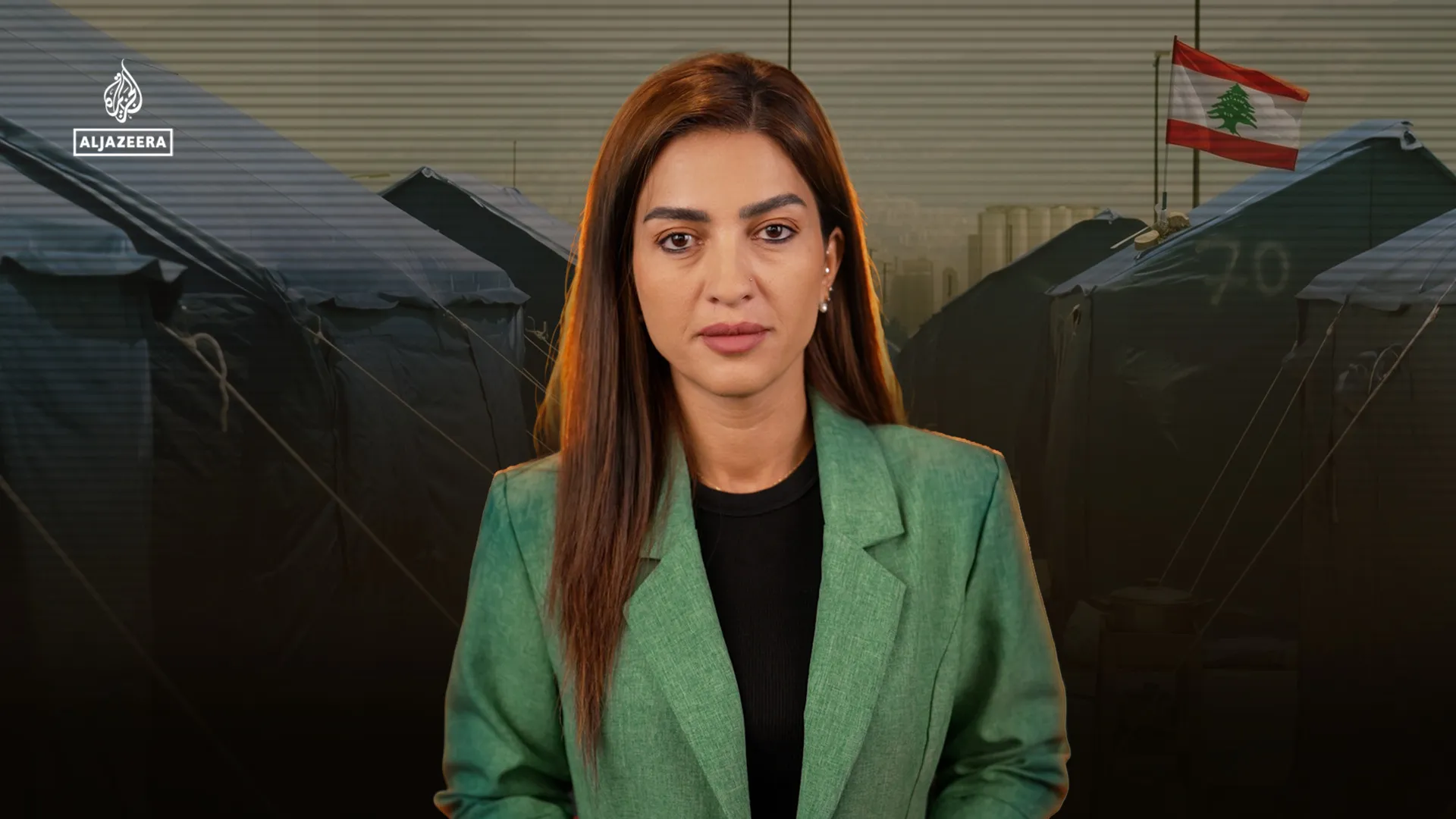
The traditional observance of Eid in Lebanon has been significantly disrupted by the protracted nature of the current conflict, according to reports from Al Jazeera. Following nearly three years of war and displacement, the festive atmosphere historically associated with the religious occasion has been supplanted by the immediate pressures of survival and instability.
Data from the news feed indicates that for a substantial number of Lebanese families, the event no longer carries the weight of celebration. The shift in sentiment reflects the broader institutional and social strain caused by the ongoing hostilities, which have persisted for a duration cited as nearly three years at the time of reporting.
The report highlights a stark departure from the customary communal gatherings and feasting that typically characterise Eid in the region. Instead, the prevailing mood is defined by the logistical and emotional burdens of displacement, suggesting a long-term alteration to social practices within the affected communities.
While the source material does not provide granular data on the specific geographic locations within Lebanon where these changes are most acute, the generalised report of widespread sentiment suggests a national-level impact on cultural rituals. The absence of specific statistics on the number of impacted households limits the ability to quantify the exact scale of the disruption, though the language used implies a significant demographic shift.
This development underscores the enduring social costs of the conflict, which has now extended beyond immediate security concerns to reshape the cultural identity of the holiday. As the war continues, the erosion of traditional celebrations serves as a barometer for the deepening humanitarian and institutional challenges facing the country.