Lebanon’s Economy Nears Collapse as War and Fuel Crisis Compound
With inflation hitting an 18-month high and war-related losses estimated at $3bn, analysts predict zero GDP growth for 2026 as sectarian tensions and displaced populations strain social cohesion.
Lebanon’s economy is facing imminent collapse as the compounding effects of renewed conflict with Israel, a lingering financial crisis, and global fuel price surges linked to the US-Israel war on Iran render the nation’s fiscal structure increasingly unviable. The blockade of the Strait of Hormuz has severely disrupted oil supplies from the Gulf, triggering significant price hikes for petrol, electricity, and general goods. In March, inflation reached an 18-month high, and Bank Audi has predicted zero GDP growth for 2026 if hostilities persist, effectively erasing the modest 3.5 percent growth recorded in 2025.
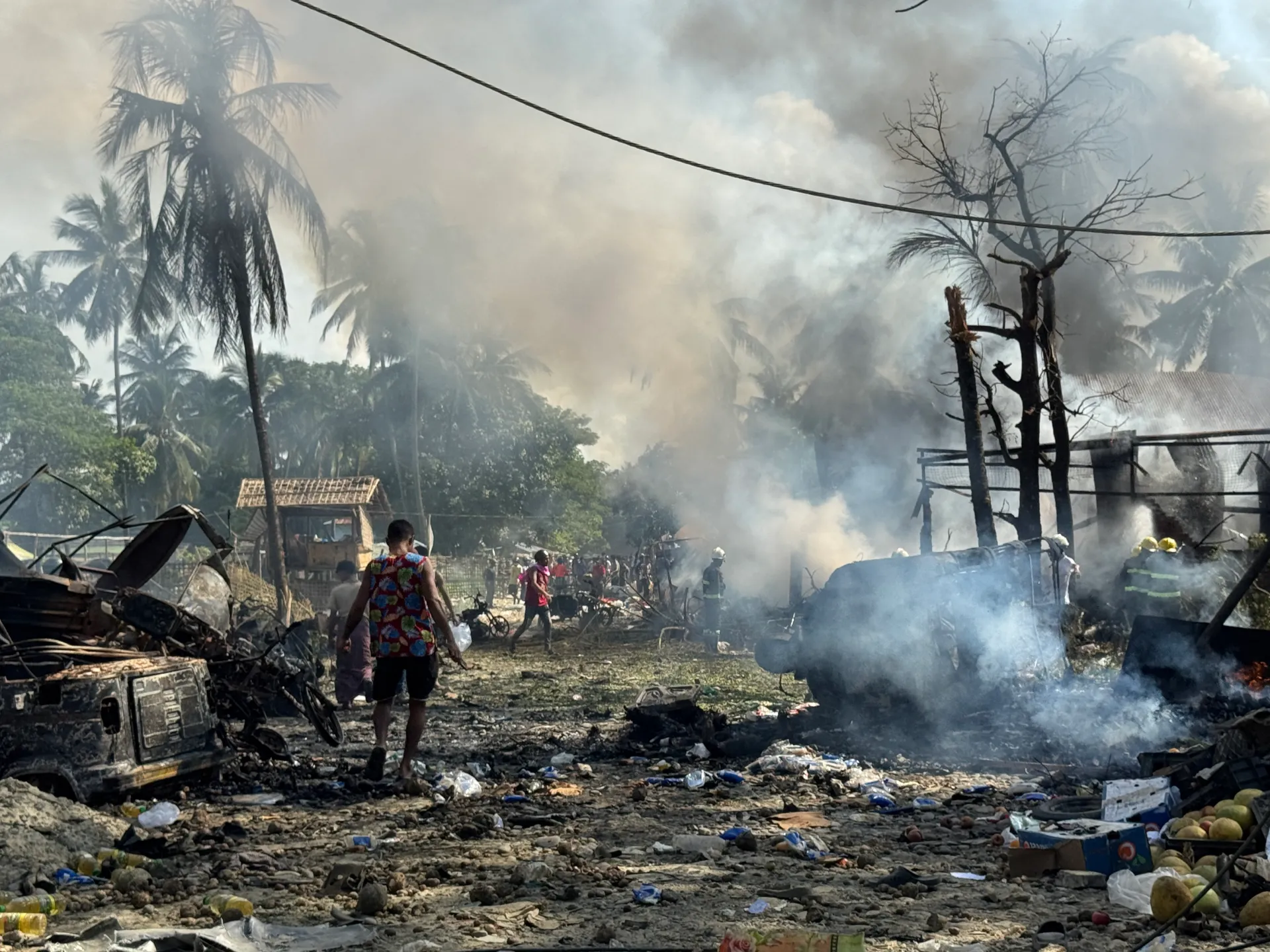
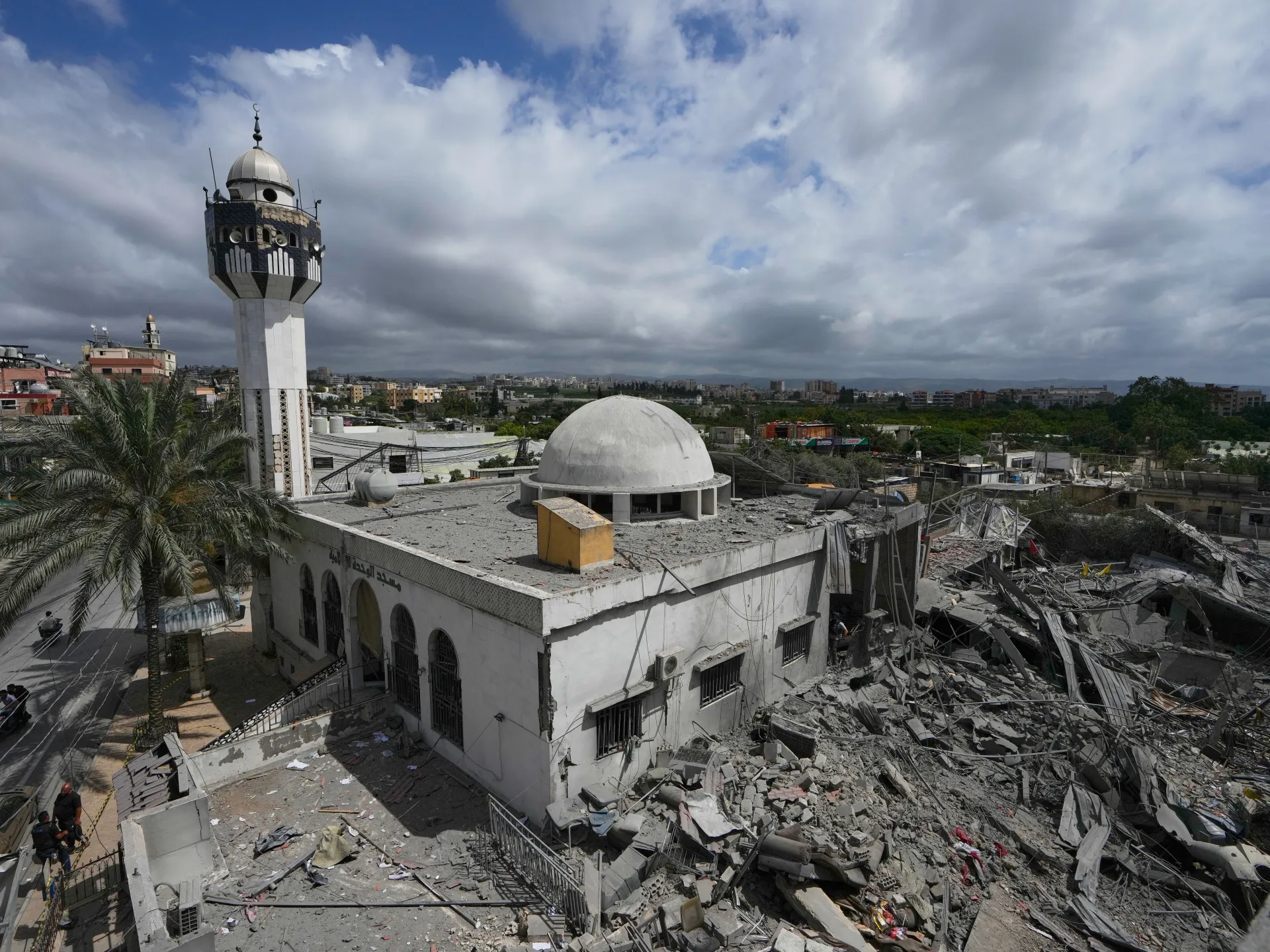
The economic deterioration follows a series of destabilising events, including the assassination of Iran’s Supreme Leader Ayatollah Ali Khamenei and ceasefire violations that prompted Israel to intensify attacks on Lebanon on 2 March 2026. This escalation has displaced over 1.2 million people and caused widespread destruction in southern Lebanon, the Bekaa Valley, and Beirut’s southern suburbs. By late April, Lebanon’s Finance Minister estimated war-related losses for 2026 at approximately $3bn, a figure expected to rise as daily displacement orders and attacks continue.
Sami Zoughaib, an economist and research manager at The Policy Institute, described the situation as a unique moment in economic history, characterising it as a war occurring after a war and following institutional collapse. He warned that if this pattern continues, investors may deem business operations untenable, leading to further economic unviability. The World Bank noted that sectors accounting for 77 percent of previous economic losses, including agriculture, commerce, and tourism, are key income sources for low-wage and informal workers who are now at severe risk.
The crisis disproportionately affects the poorest and most vulnerable, threatening remittance flows that have historically supported Lebanese households. According to World Bank figures, remittances to Lebanon were approximately $6.6bn in 2023, but this year’s figures are expected to drop significantly. Farah Al Shami, senior fellow at the Arab Reform Initiative, noted that oil prices have risen by approximately 65 percent since March, directly impacting remittances from Gulf Cooperation Council countries, which are highly sensitive to energy costs.
Beyond the immediate economic metrics, the conflict is exacerbating internal sectarian divisions, with political analysts warning that elites may exploit displaced populations to fuel social fissures. Zoughaib highlighted that the displacement crisis has primarily impacted Lebanon’s Shia community, pushing residents into mixed or homogeneous areas that have also faced attacks. He cautioned that political elites could utilise this instability to blame displaced people for economic struggles, a pattern reminiscent of past scapegoating of Syrians or Palestinians, thereby deepening societal rifts.