Lebanon questions UNIFIL efficacy as Israel advances past Litani River
With UNIFIL’s strength halved and its mandate set to expire in 2026, Lebanese officials and analysts are debating the utility of the mission as Israeli forces capture Beaufort Castle and direct negotiations prepare to resume in Washington.
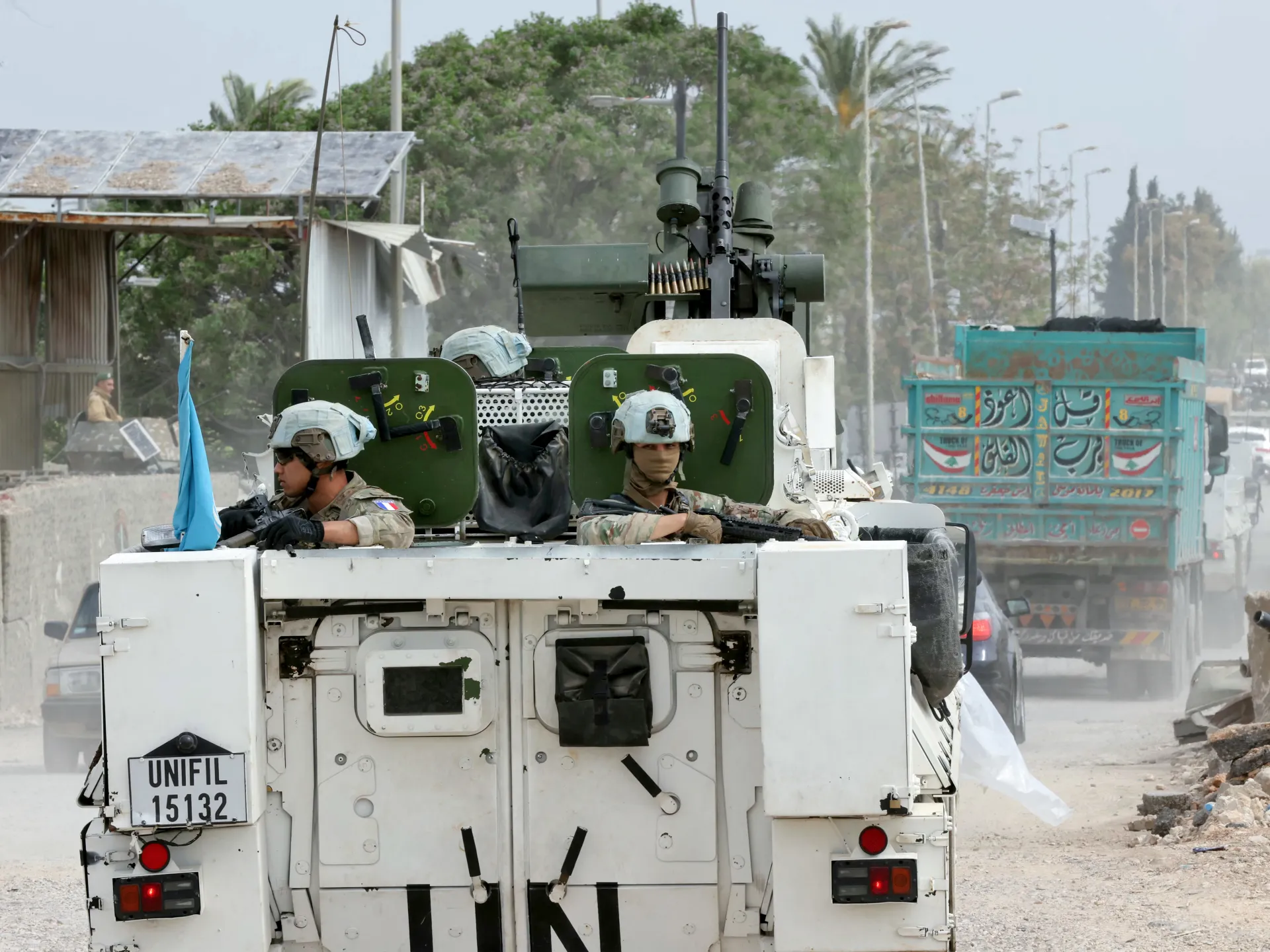
Israel has advanced deeper into Lebanese territory than at any point since 2000, crossing the Litani River and capturing Beaufort Castle, while the UN Interim Force in Lebanon (UNIFIL) has been unable to halt the incursion. The offensive, which intensified on 2 March, has resulted in 3,412 deaths and the displacement of over 1.2 million people in Lebanon. As the conflict escalates, Lebanese officials and analysts are questioning the effectiveness of UNIFIL, whose mandate is set to expire on 31 December 2026, ending its 48-year peacekeeping role.
The United Nations body has faced accusations from both Israel and Hezbollah, with each side alleging operational failures. Israel has long criticised UNIFIL for not disarming Hezbollah, although Resolution 1701 does not stipulate this mandate. Conversely, Hezbollah and its supporters have accused the force of acting in ways that serve Israeli security interests. Imad Salamey, a Lebanese political analyst, noted that these criticisms often serve political messaging as much as operational assessment, with each side seeking to shape narratives regarding sovereignty and responsibility for the conflict.
UNIFIL’s operational capacity has been significantly eroded by financial cutbacks, reducing its strength from a peak of 15,000 personnel to just over 7,000. Approximately 3,000 staff left without replacement in the last six months. Tilak Pokharel, UNIFIL’s public information officer, stated that the force’s activities have been heavily constrained by impediments from both sides, including Israeli roadblocks and Hezbollah landmines. The force has also come under direct attack; in April, a French soldier was killed and three other peacekeepers were wounded in Ghandouriyeh, with Paris blaming Hezbollah for the incident.
Diplomatic tensions are rising as the US voted against extending UNIFIL’s mandate, aligning with the Israeli position, while European, African, and Asian countries have volunteered manpower for a potential replacement body. Despite the ongoing war, European diplomats indicate strong support for continuing some form of monitoring body. However, analysts argue that no international force can effectively enforce a ceasefire or maintain stability without a broader political consensus within Lebanon and the wider region, particularly regarding negotiations between the US and Iran.
Direct negotiations between Lebanon and Israel are scheduled to resume at the US State Department in Washington, DC, following military meetings on Friday. The talks come as Israel continues its ground advance, with Prime Minister Benjamin Netanyahu approving attacks on Beirut’s southern suburbs and issuing forced evacuation orders for two major towns. Meanwhile, the ceasefire between the US and Iran has been tested, with Kuwait reporting an Iranian attack on Monday, underscoring the fragility of regional security arrangements.