Lebanon marks Liberation Day amid renewed occupation and political fracture
Subdued celebrations in Beirut as more than 1.2 million remain displaced and Israeli air raids continue in the south.
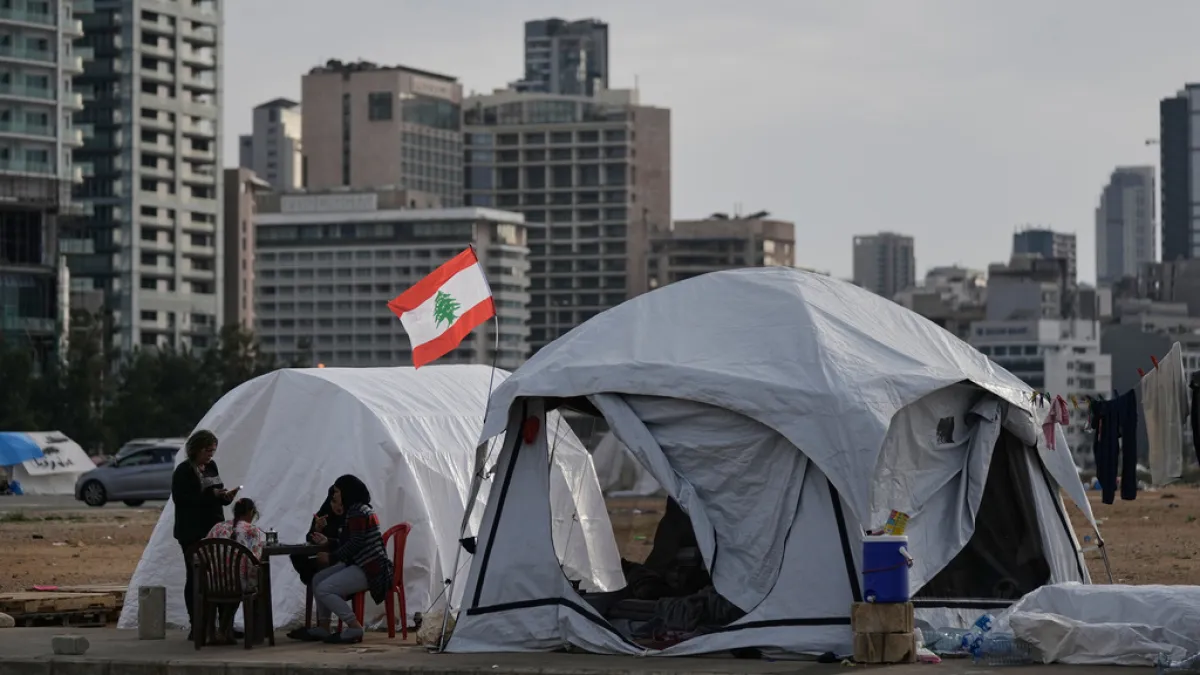
Lebanon marked its annual Liberation Day on May 25 with subdued celebrations, as the mood was heavily dampened by fears of a new Israeli occupation in the south. The holiday commemorates the 2000 withdrawal of Israeli forces, but this year, the memory of that event has been overshadowed by a renewed invasion that began in March. More than 1.2 million people have been displaced from their homes, predominantly in southern Lebanon and Beirut’s southern suburbs, since hostilities escalated following a breakdown in the ceasefire.
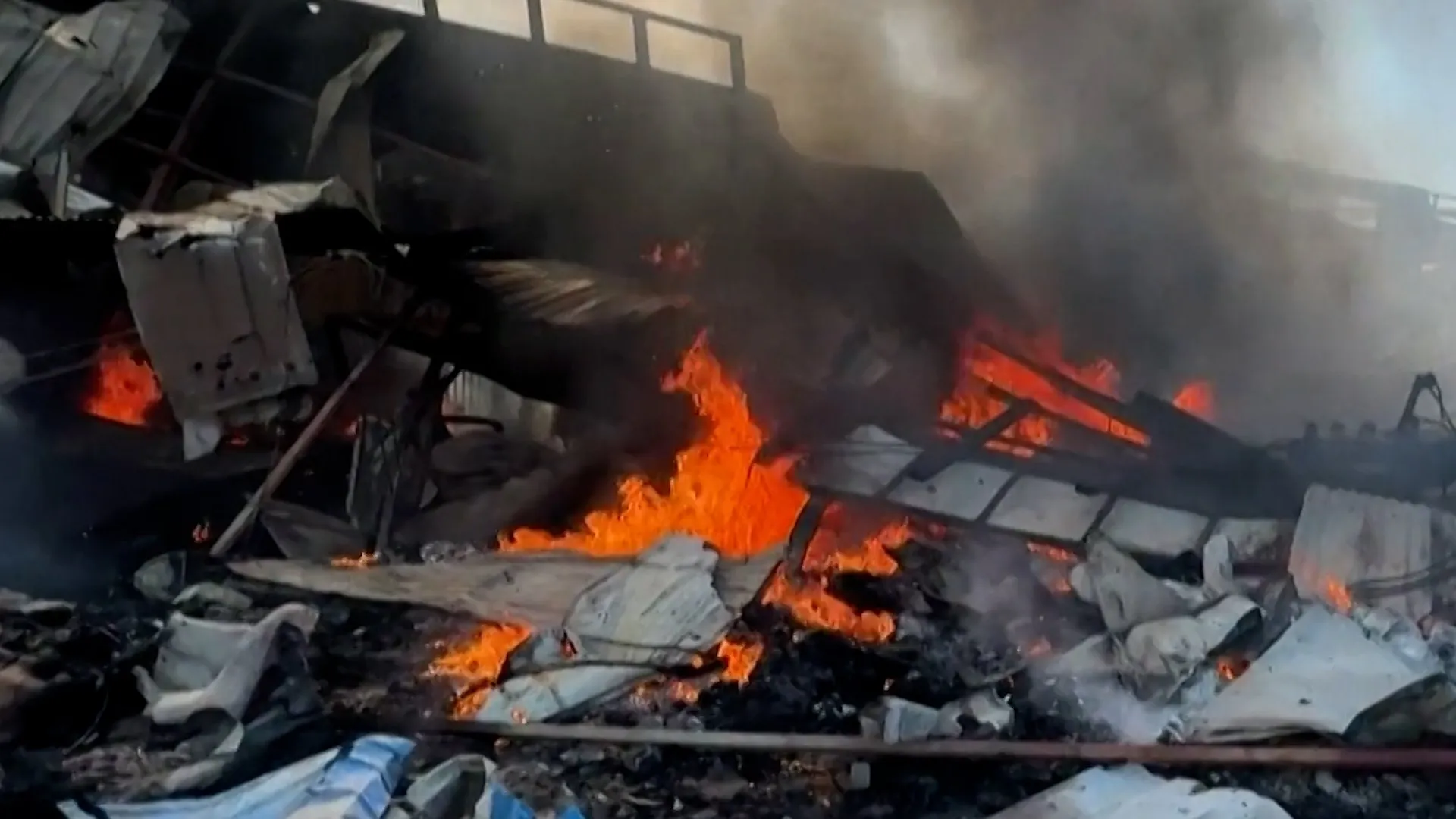
The humanitarian toll has been severe. According to Lebanon’s Ministry of Public Health, 3,151 people have been killed since the renewed hostilities began on March 2. While US President Donald Trump announced a ceasefire on April 16, which has eased attacks on Beirut, assaults in the south have persisted. On the holiday itself, Israeli air raids killed three people in the south, struck homes near Tyre, and issued evacuation orders for 10 additional towns and villages. Drones were also reported over the Baalbek region, indicating that the conflict has expanded beyond the immediate border zones.
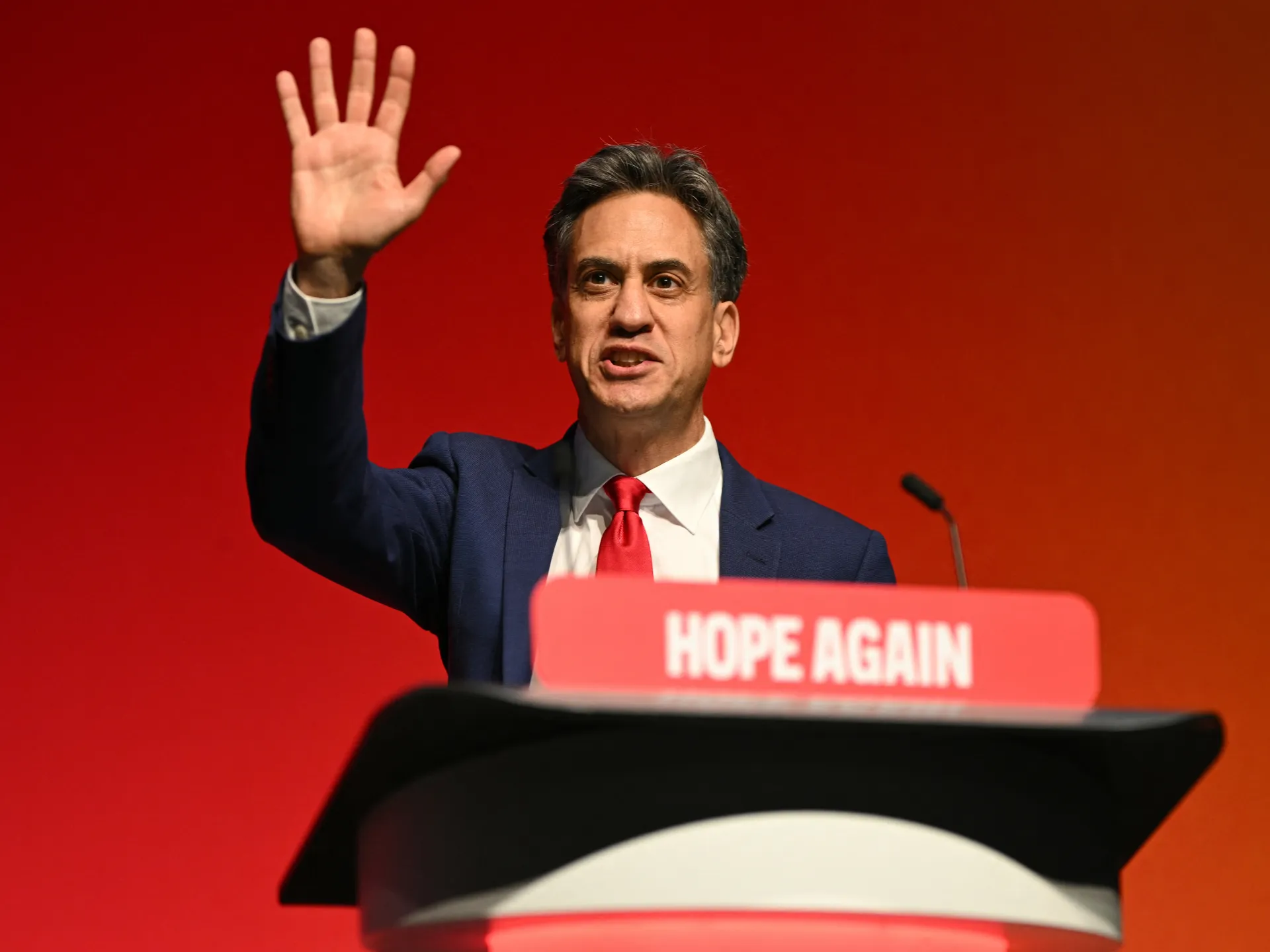
Political tensions within Lebanon have intensified alongside the military pressure. President Joseph Aoun is engaging in direct talks with Israel for a full withdrawal, a strategy he insists is necessary to restore national dignity. Prime Minister Nawaf Salam reinforced this stance on X, stating that Lebanon would not celebrate the holiday until Israel completely withdraws and displaced people can return safely. The government’s approach, however, has drawn sharp criticism from Hezbollah, which has rejected direct negotiations in favour of indirect talks via intermediaries.
Hezbollah Secretary-General Naim Qassem issued a televised address on Sunday that escalated the internal political crisis. Qassem suggested that the Lebanese government should resign if it cannot protect sovereignty, marking a rare public challenge to the executive branch. His comments drew strong condemnation from the United States State Department and highlight the deepening rift between the state apparatus and the militant group, which continues to launch attacks using fibre optic drones claimed to be immune to Israeli jamming.
The geopolitical landscape remains volatile, with Israeli Prime Minister Benjamin Netanyahu reportedly eager to continue the war, urged by right-wing ministers to resume attacks on Beirut. Meanwhile, Iran has reportedly linked a ceasefire in Lebanon to broader conditions regarding its own conflict with the US and Israel. For displaced citizens like Ali Saleh, the holiday represents a painful reminder of lost dignity, with many hoping for a future where the land is liberated and those detained in Israeli facilities are released.