Lebanon emerges as primary front in US-Israel conflict as diplomatic ties with Iran stall
Israeli forces remain entrenched in southern Lebanon, causing widespread destruction, even as President Donald Trump seeks to preserve talks with Tehran.
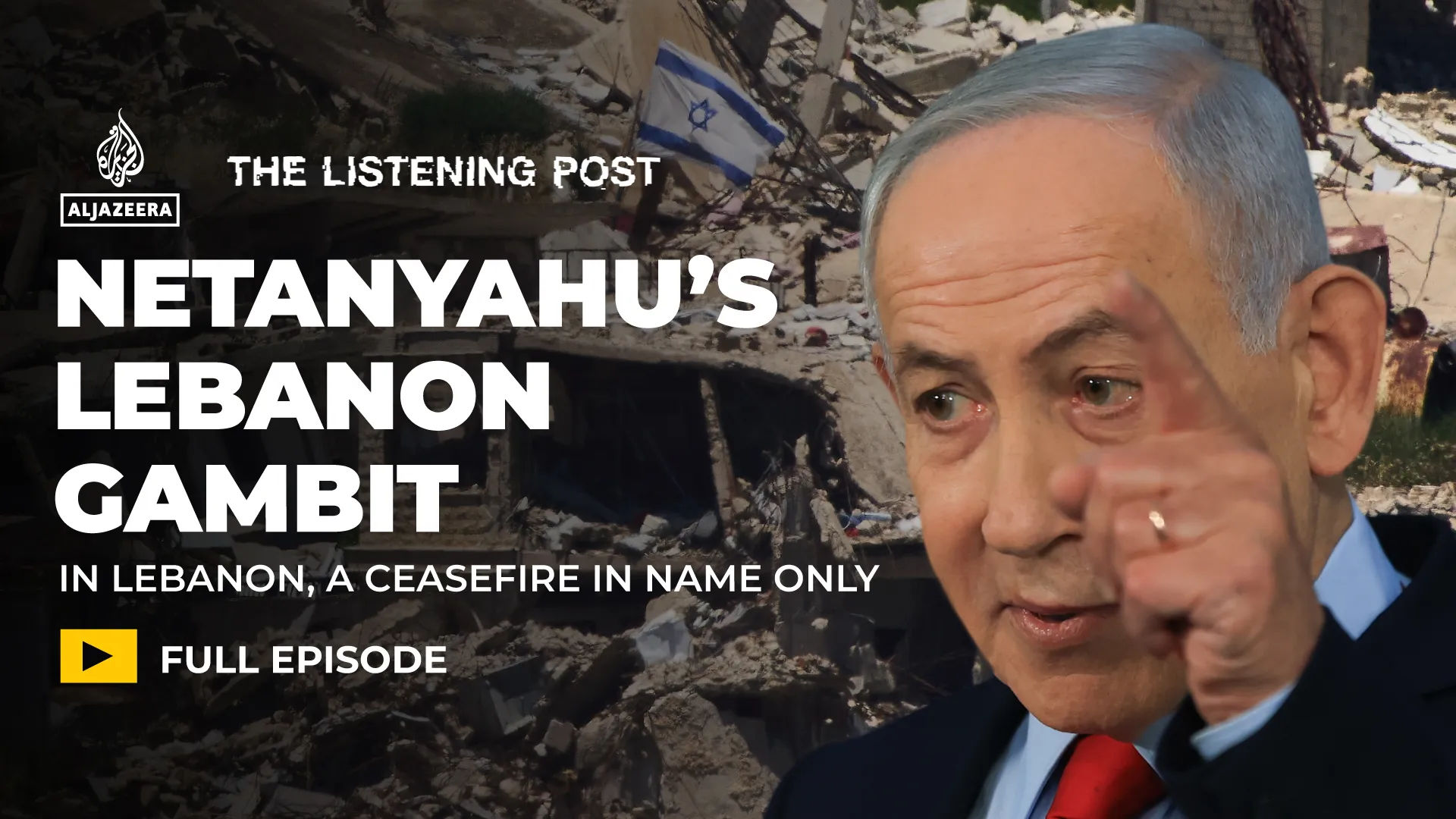
The stalemate in diplomatic efforts between the United States and Israel regarding Iran has shifted the locus of military activity to Lebanon, establishing it as the most active front in the broader regional conflict. According to reports from Al Jazeera, Israeli forces are currently entrenched in the southern part of the country, an arrangement described by observers as a de facto occupation. These military operations have resulted in the reduction of entire neighbourhoods to rubble, significantly escalating the humanitarian and geopolitical stakes in the region.
The situation in Lebanon presents a complex divergence in strategy between Washington and Jerusalem. US President Donald Trump is reportedly seeking to preserve delicate negotiations with Iran, aiming to de-escalate tensions. However, domestic support for military operations within Israel continues to grow, keeping Lebanon as a central point of contention. This dynamic suggests that while the US administration prioritises diplomatic channels, the on-the-ground reality in Lebanon is driven by sustained Israeli military presence and escalating hostilities.
The conflict is part of a wider multi-front war involving Israel, the US, and Iran, with Lebanon bearing the brunt of the current intensity. The impasse in US-Israel negotiations has effectively turned the Lebanese theatre into the primary arena for military engagement, overshadowing other potential flashpoints. This shift underscores the fragility of the diplomatic landscape and the difficulty of reconciling US foreign policy objectives with the continued military actions supported by key Israeli factions.
Amidst this geopolitical turmoil, broader international developments are unfolding. US equity markets showed signs of stability on Thursday, with the Dow Jones Industrial Average gaining 0.8 per cent. These gains coincided with the commencement of a two-day summit in Beijing between President Trump and Chinese President Xi Jinping, which focused on trade, artificial intelligence, and regional security. The market reaction highlights a contrast between the stability sought in diplomatic forums and the ongoing volatility in the Middle East.
The intersection of these events has drawn attention from various policy experts and commentators. Nicholas Noe of Refugees International, Maya Rosen of Jewish Currents, and Randa Slim of the Stimson Centre have highlighted the persistent nature of the conflict. Meanwhile, the revocation of UK visas for American commentators Cenk Uygur and Hasan Piker has sparked debate regarding free speech and political expression, further illustrating the polarised nature of the discourse surrounding Israel’s military actions and US policy.