Lebanon Demands Ceasefire Halt as Israeli Forces Cross Litani River
At least five killed in southern Lebanon as ground offensive expands; UN reports 15 children dead in a week
Lebanese and Israeli military delegations are set to convene at the Pentagon in Washington on Friday to discuss security arrangements, with Beirut planning to demand an immediate cessation of intensified Israeli attacks. The diplomatic engagement follows a sharp escalation in hostilities, including Israeli air strikes that killed at least five people in southern Lebanon and a confirmed ground offensive where Israeli forces crossed the Litani River.
Prime Minister Benjamin Netanyahu confirmed the advance, stating that troops had moved approximately 30 kilometres north of the shared border. The Israeli military spokesman noted that Brigadier General Amichai Levin, head of the strategic division within the army’s planning directorate, is leading the Israeli delegation. The Lebanese side is headed by Georges Rizkallah, the army’s director of operations, as both nations seek to address the deteriorating security landscape.
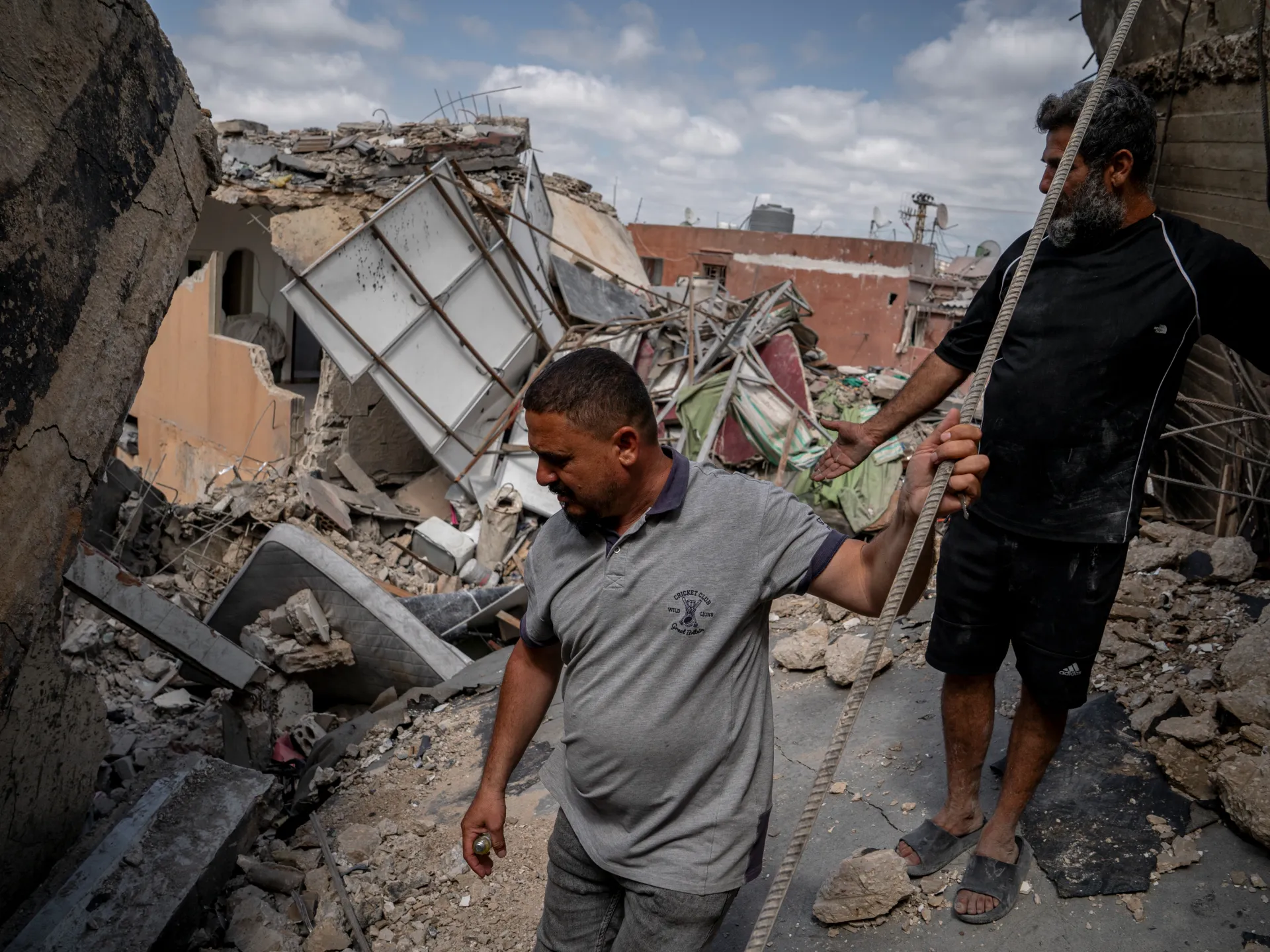
The military movements coincide with a significant rise in civilian casualties. Four people were killed in an air strike on a building in Abbasiyeh, near Tyre, while another death was reported in Deir Qanoun al-Nahr. Additional raids targeted al-Baisariyah, as-Sarafand, and Khirbet Selm, with injuries also sustained in a strike on a motorcycle near al-Abbassieh. The United Nations reported that 15 children have been killed and 62 injured in Lebanon over the past seven days, with the majority of casualties attributed to air strikes in the south.
Lebanese President Joseph Aoun reinforced the urgency of the situation during a phone call with US Secretary of State Marco Rubio. Aoun emphasised that a ceasefire is an "essential gateway" to further diplomatic steps, while Rubio reiterated the US commitment to consolidating previous ambassador-level negotiations and supporting Lebanon’s stability and sovereignty. The current military operation has proceeded despite a ceasefire that began on April 17 and was extended for 45 days on May 17 following indirect talks mediated by the United States.
Humanitarian organisations have issued stark warnings regarding the safety of aid workers and the sustainability of medical services. Doctors Without Borders (MSF) indicated that teams may be forced to withdraw from southern Lebanon due to the risk of "double-tap strikes" against rescue efforts. With approximately 40 hospitals in the south currently closed and 126 civil defence workers killed since March, aid groups are operating under intense strain as hundreds of thousands of displaced Lebanese require urgent assistance.