Lebanon death toll surpasses 3,500 as ceasefire collapses amid continued Israeli strikes
Tehran expresses scepticism over the durability of the agreement as Israel maintains military operations across the border, leaving the prospect of a lasting peace in doubt.
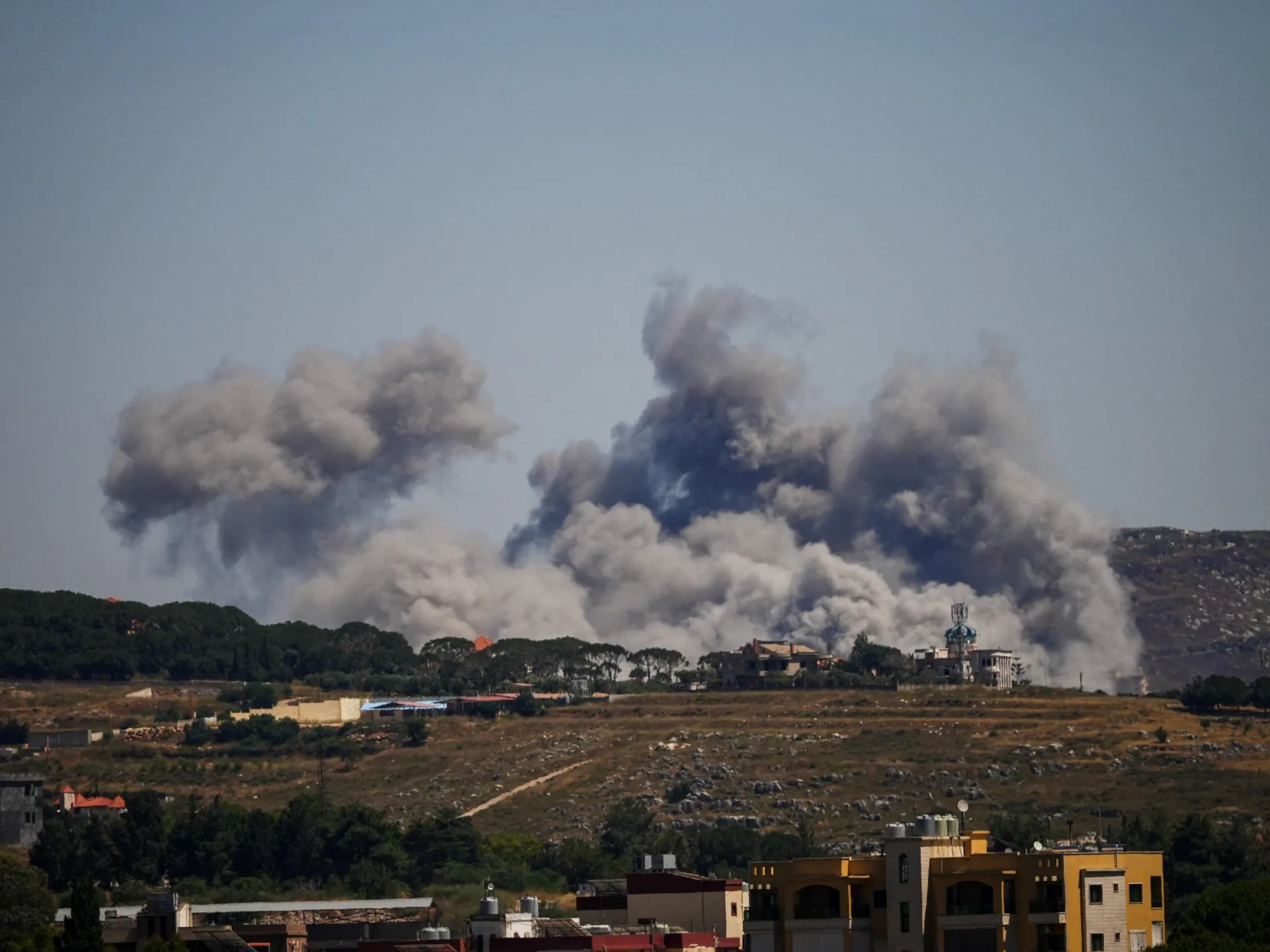
The prospects for a stable truce in the Levant have deteriorated significantly as Israel has continued to conduct deadly strikes across Lebanon, directly contradicting a ceasefire agreement announced by officials in Washington, DC. The US-brokered deal, which was reportedly reached by Lebanese and Israeli representatives, has failed to halt hostilities, prompting widespread scepticism regarding its implementation and longevity.
Hezbollah leader Naim Qassem has formally dismissed the agreement, characterising it as a “farce” in a statement that underscores the group’s refusal to accept the terms while military operations persist. Qassem warned that northern Israel would remain a target for as long as Israeli forces continue bombing Lebanese territory, signalling that the militant group does not intend to stand down despite the diplomatic announcement.
The ongoing violence has contributed to a rising casualty count that further complicates the political landscape. According to figures released by Lebanon’s Ministry of Public Health, at least 3,526 people have been killed and 10,733 wounded in Israeli attacks since 2 March. These numbers push the death toll beyond the 3,500 mark, highlighting the severe human cost of the conflict which is currently identified in source material as day 98 of the Iran war.
The discrepancy between the diplomatic efforts in Washington and the reality on the ground in Lebanon has raised serious questions about the enforceability of the ceasefire. While the agreement was presented as a breakthrough by the involved parties, the continuation of strikes and the explicit rejection by Hezbollah leadership suggest that the deal lacks the necessary compliance to bring about a cessation of hostilities.
As the conflict enters its 98th day, the combination of continued military action and political rejection has left the region in a state of heightened uncertainty. The failure of the ceasefire to take effect indicates that the underlying tensions driving the violence remain unresolved, with both sides maintaining their respective positions despite international mediation efforts.