Lebanon condemns Israel’s military actions as US-Iran truce talks stall
Lebanese Prime Minister Nawaf Salam has issued a sharp rebuke of Israeli operations, while Tehran and Washington remain silent on a proposed truce extension.
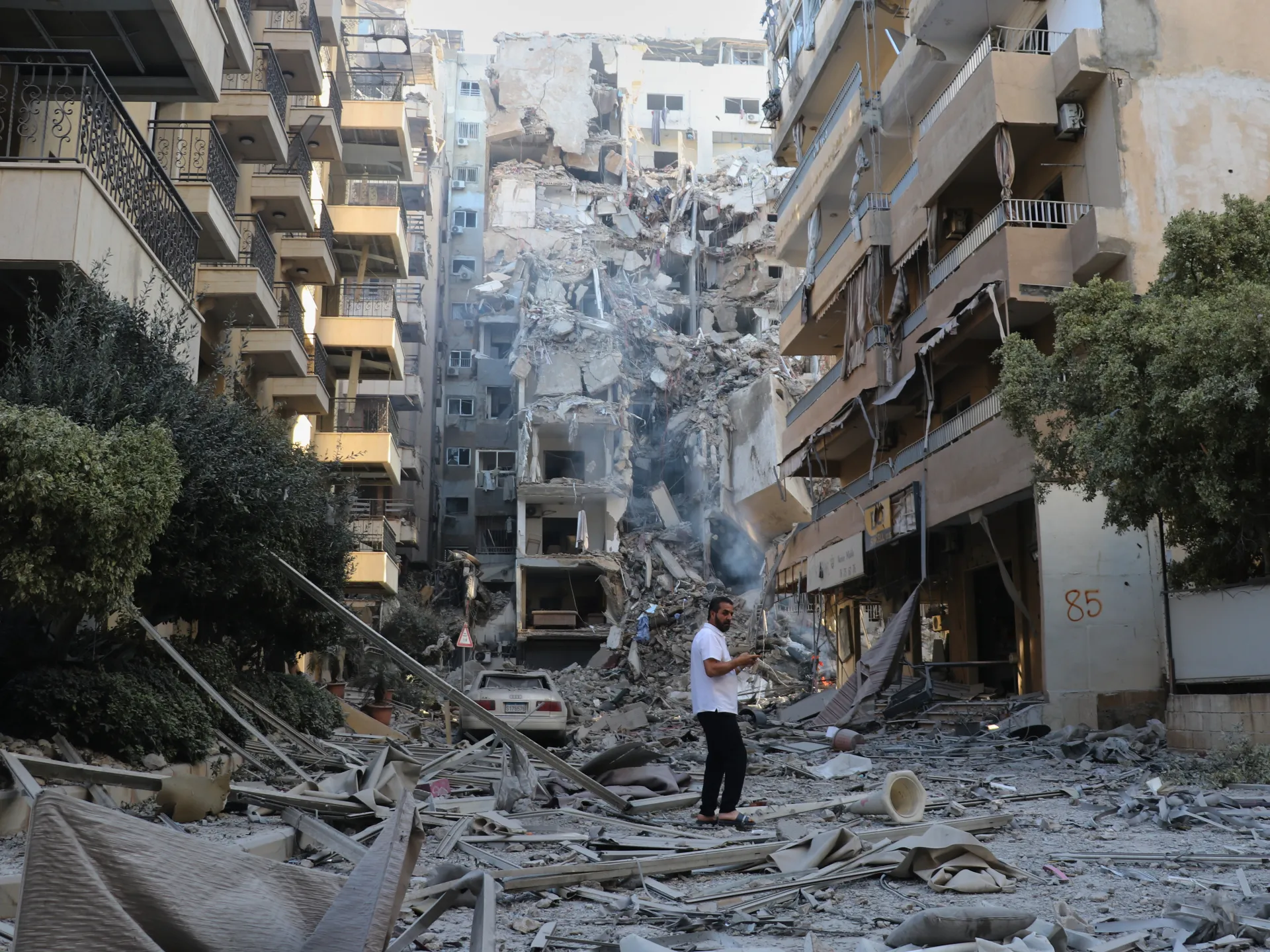
Lebanese Prime Minister Nawaf Salam has strongly condemned Israel’s ongoing military operations within its borders, asserting that nothing can justify the attacks against what he described as peaceful people. The statement marks a significant escalation in diplomatic rhetoric as regional hostilities continue to unfold, with Beirut seeking international support to halt the military onslaught.
Concurrently, diplomatic efforts to de-escalate tensions between the United States and Iran have encountered a period of silence. A tentative framework for a 60-day extension of the US-Iran truce, which would also pave the way for discussions on Iran’s nuclear programme, has been agreed upon by negotiators. However, as of the latest updates, neither the Iranian government nor President Donald Trump has issued official comments regarding the proposal.
The status of the proposed agreement remains ambiguous amid conflicting reports from Tehran. Iran’s semi-official Tasnim news agency has stated that the deal has not been finalised or confirmed, casting doubt on the stability of the negotiations. The tentative framework requires final approval from both President Trump and Iranian leadership before it can be implemented, leaving the region in a state of diplomatic limbo.
Broader regional tensions are further compounded by developments in the Caribbean, where the United States Treasury has imposed sanctions on Cuba’s main intelligence agency. Cuban President Miguel Diaz-Canel has warned of a potential bloodbath should the US launch an attack, asserting Havana's right to self-defence and highlighting the interconnected nature of global security challenges.
The lack of immediate response from key political leaders in Washington and Tehran suggests that the proposed truce extension is still subject to intense internal deliberation. With no official confirmation from either side, the international community remains uncertain whether the tentative framework will secure the necessary political backing to proceed.