Lebanon and Israel pilot safe zones as Aoun meets Trump in Washington
President Joseph Aoun’s visit marks the first by a Lebanese head of state since 2009, set against a backdrop of Israeli occupation and unresolved disarmament demands.
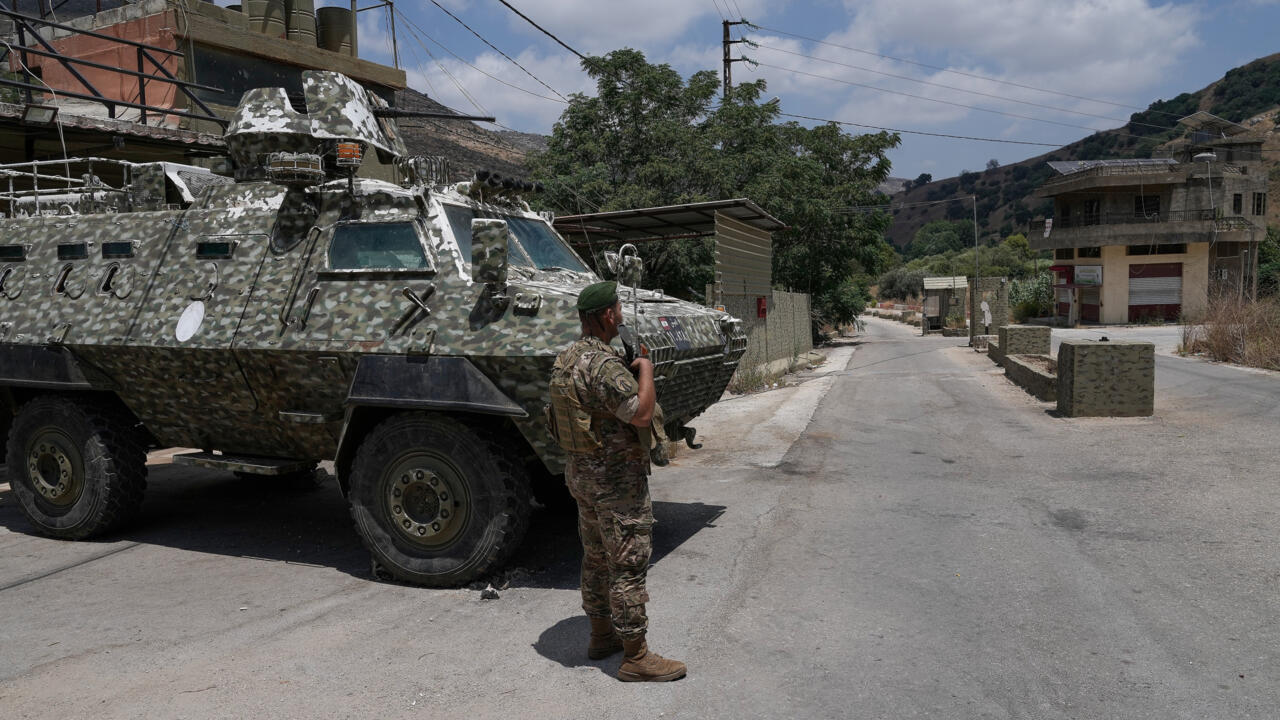
Lebanese President Joseph Aoun has arrived in Washington for official talks with US President Donald Trump, marking the first visit by a Lebanese head of state to the United States since 2009. The diplomatic engagement occurs during a period of significant geopolitical tension, as Israel and Lebanon trial a new arrangement for 'safe zones' in the south as part of a broader deal.
The timing of the visit underscores the high stakes for Beirut, which is navigating complex security challenges while Israeli forces maintain a presence in significant portions of southern Lebanon. This military occupation follows rocket attacks launched by the Iran-backed militia Hezbollah on northern Israel, prompting a robust security response from Tel Aviv.
Israel has maintained that any full withdrawal of its forces is contingent upon the disarmament of Hezbollah. However, assessments suggest that the Lebanese Army is unlikely to accomplish this task independently, creating a stalemate that has complicated efforts to restore full Lebanese sovereignty over the border region.
In response to these security constraints, Israel has initiated a pilot programme for 'safe zones'. This measure effectively involves the transfer of control of three Lebanese villages from Israeli forces to the Lebanese Army. The move is designed to allow Beirut to assert its authority in the area while addressing immediate Israeli security concerns.
The pilot programme represents a tactical adjustment in the ongoing dispute, offering a mechanism for limited Lebanese governance in the south without resolving the broader issue of militia disarmament. As President Aoun engages with US leadership, the focus remains on how these localised security arrangements fit into the wider diplomatic framework required to stabilise the region.
The outcome of the Washington meetings will be closely watched for indications of how the United States intends to support Lebanon’s efforts to reassert control, particularly given the limitations placed on the Lebanese Army’s capacity to enforce disarmament unilaterally.