Lebanese First Responder’s Trauma Shapes Duty After Family Killed in 2006 Strike
An Al Jazeera Originals documentary highlights how the death of his family in an Israeli attack on their station continues to define Safiuddin’s work as a first responder.
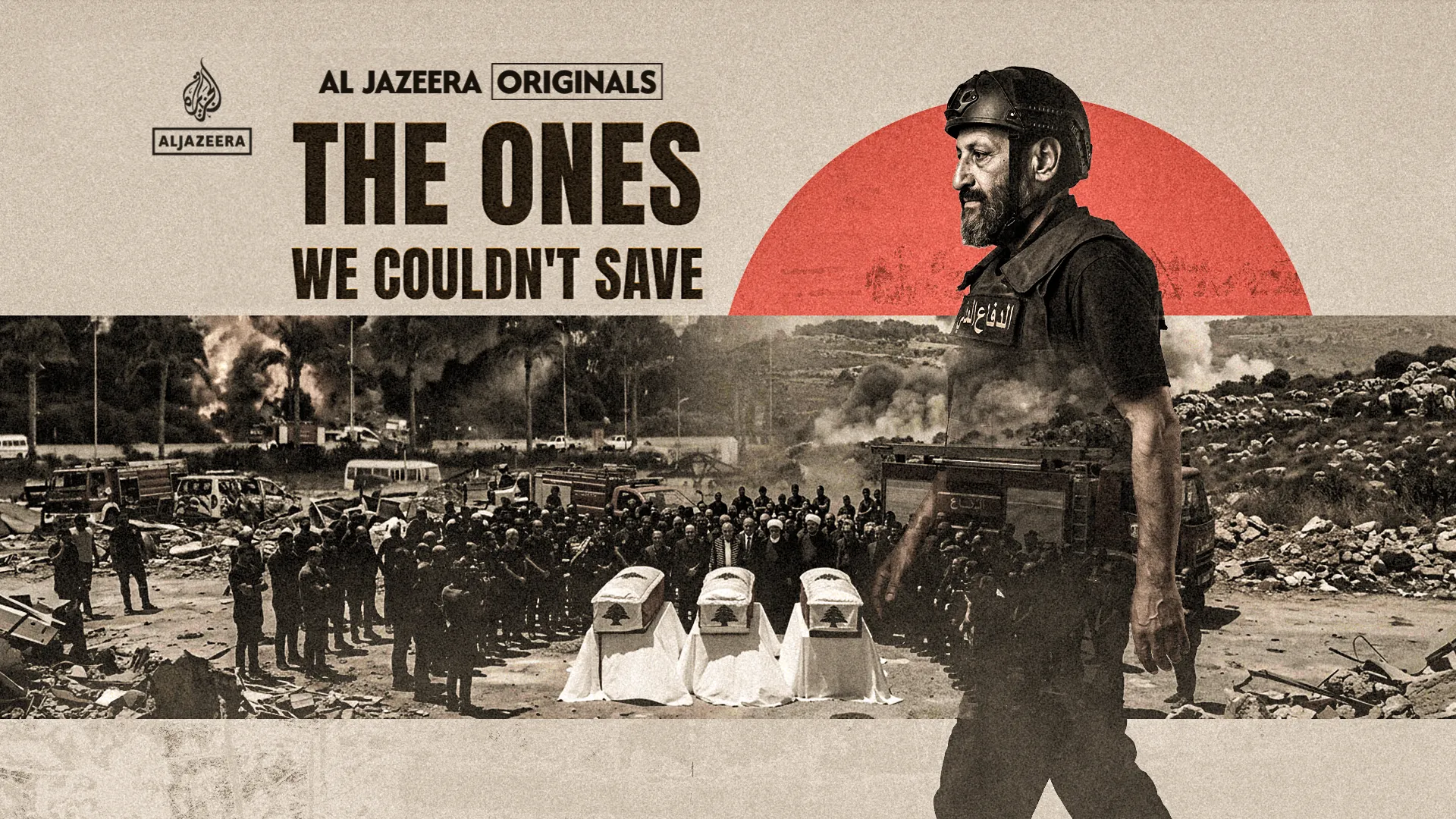
Ali Safiuddin, a Civil Defense team leader in Lebanon, continues to grapple with the personal cost of conflict decades after an Israeli attack on his station claimed the lives of his wife and young daughter, Lynn. The incident occurred during the 2006 Lebanon war, a period of intense hostilities that resulted in significant casualties and displacement across the region.
Safiuddin had brought his family to the Civil Defense station under the belief that it would offer greater safety than their home. However, the strike resulted in their deaths, an event Safiuddin describes as the hardest mission of his life. He has expressed profound guilt over the decision to bring them to the site, stating, "I feel guilty that I was the one who brought them there."
The tragedy has had a lasting impact on Safiuddin’s professional conduct. According to an Al Jazeera Originals documentary titled "Under Fire: Lebanon’s first responders," the personal loss continues to shape his approach to his duties as a first responder. The account underscores the psychological toll borne by emergency service personnel operating in conflict zones.
The documentary, which features Safiuddin’s reflections, was published by Al Jazeera Global News on 12 August 2026. It serves as a teaser for the full programme, now available on YouTube, which examines the experiences of first responders in Lebanon.
While the source material does not specify the exact date or precise location of the station within Lebanon, or the specific circumstances of the attack, Safiuddin’s testimony provides a focused insight into the intersection of personal grief and institutional duty during wartime.