Lebanese army patrols deployed to 'pilot zone' villages amid dispute over Israeli withdrawal
President Joseph Aoun to discuss extending state authority with US President Donald Trump as Lebanese forces assert presence in southern villages despite ongoing bombardment.
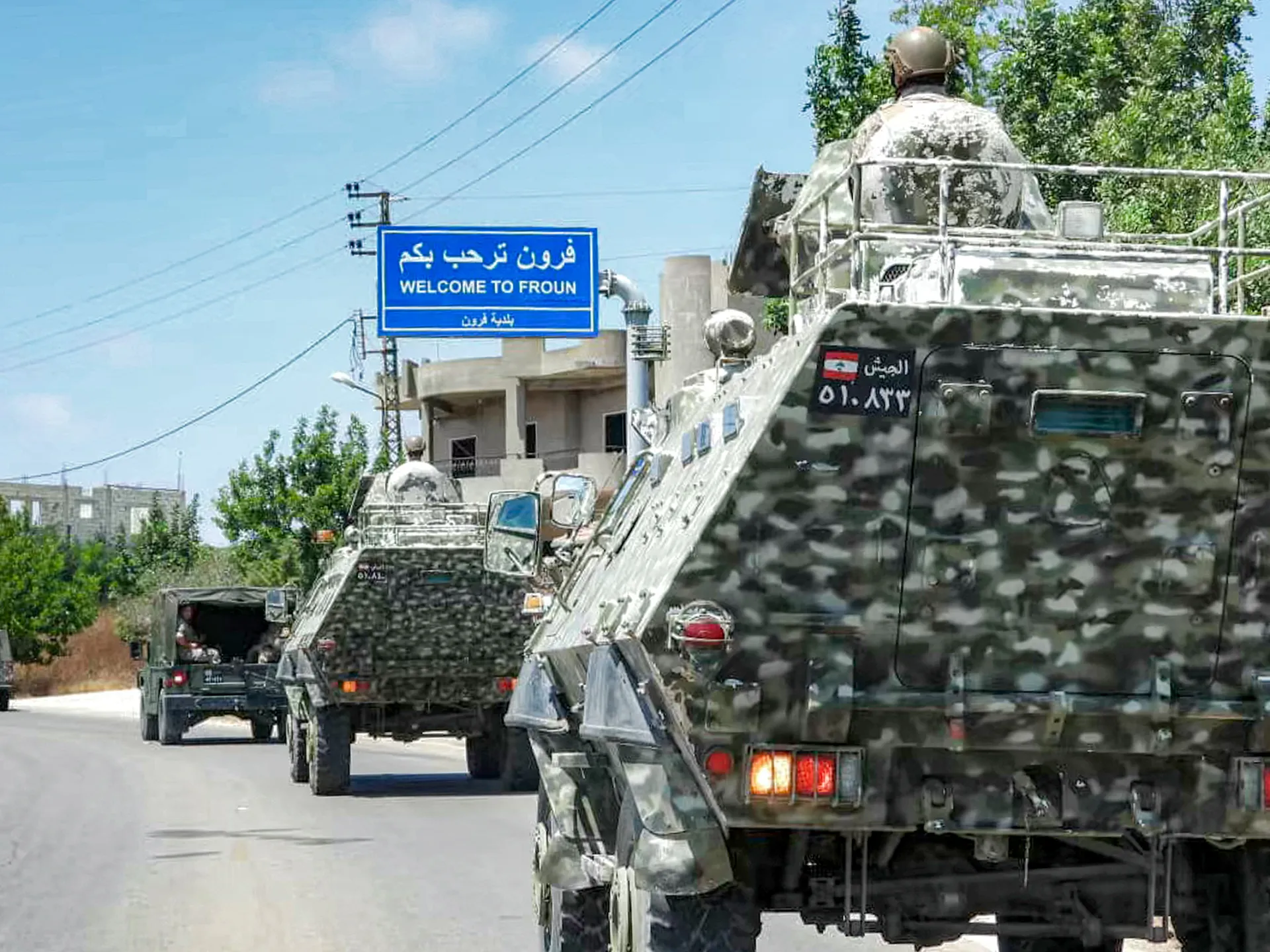
Dozens of displaced residents have begun returning to the southern Lebanese villages of Froun and Ghandouriyeh following the launch of a US-brokered 'pilot zone' project. The initiative forms part of a framework agreement signed in Washington last month, which stipulates that Israel will withdraw from a limited number of areas in southern Lebanon while maintaining its military presence in others. The United States has designated Froun as part of the first phase of the withdrawal, while Ghandouriyeh is expected to follow in the second phase.
However, the implementation of the plan has sparked immediate controversy. Local residents and Lebanese security sources have argued that neither village was ever occupied by Israeli forces, suggesting the agreement allows Israel to retain control over actually occupied territories while offering negligible concessions. Despite this, the Lebanese army has deployed patrols to the areas to assert state authority, with soldiers from the Fifth Intervention Regiment establishing positions and checkpoints in Ghandouriyeh and moving along the line connecting to Froun.
The humanitarian situation in the region remains dire, with Ghandouriyeh suffering extensive damage; municipal council head Mohammed Nader reported that 250 of the village’s 260 homes are fully or partially destroyed. Despite the destruction and ongoing Israeli fire along the road connecting the two villages, families have begun returning to salvage materials and rebuild. Residents have expressed weariness of constant displacement, citing the presence of Lebanese army and UN peacekeeping patrols as a source of comfort, even as essential services such as water and electricity remain unavailable.
Lebanese President Joseph Aoun is scheduled to meet US President Donald Trump in Washington on Tuesday to discuss the situation. The meeting is expected to focus on extending state authority in the south, a priority for the Lebanese government as it seeks to consolidate control over areas previously contested by Hezbollah. The President’s visit comes as diplomatic efforts intensify to contain regional violence, including concurrent US military strikes on Iran and ongoing pressure on Hezbollah to disarm.
The framework agreement, which has resulted in more than 4,300 deaths since Israel escalated its war in March, continues to face scrutiny regarding its practical impact. While the Lebanese army has granted media access to film its positions to affirm control, local officials remain sceptical of the pilot zone’s significance. Council members have described the inclusion of unoccupied villages as a strategic move by Israel to maintain its foothold in the region while presenting a facade of withdrawal to international observers.