Lebanese Army Enters Pilot Zone as Tensions Flare with Israeli Forces
US-brokered deployment of engineering units to Zawtar al-Gharbiyeh coincides with high-level talks between Presidents Aoun and Trump, though Israeli warning shots and explosions highlight ongoing security friction.
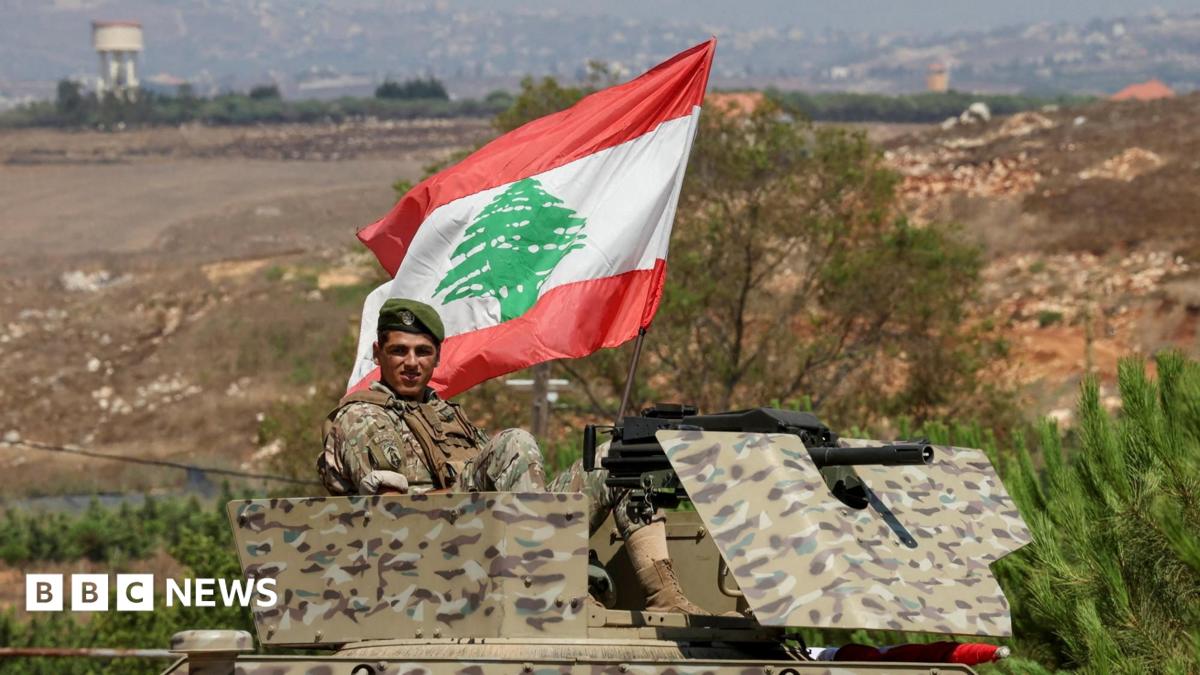
Lebanese army engineering units have deployed to the village of Zawtar al-Gharbiyeh in the Nabatieh district, marking the commencement of a US-brokered "pilot zone" operation. The move follows the withdrawal of Israeli forces from specific areas under a trilateral framework agreed in June between Israel, Lebanon, and the United States. The deployment coincides with a meeting in Washington between US President Donald Trump and Lebanese President Joseph Aoun, who sought political and military support for the Lebanese Armed Forces.
The US State Department confirmed on Monday that pilot zone operations had begun in Zawtar al-Gharbiyeh and two other villages, Froun and Srifa. This development was described as a direct result of discussions between Israeli and Lebanese representatives in Rome. An Israeli military official stated that the Israel Defense Forces (IDF) would adjust its force posture in one of the pilot areas to allow the Lebanese army to carry out its mission, while safeguarding the security of its own soldiers.
Tensions emerged on Tuesday morning when Lebanese troops reportedly crossed approximately 150 metres into the Israeli-declared security zone in the neighbouring area of Zawtar al-Sharqiyeh. The IDF clarified that soldiers fired warning shots into the air after the troops and an engineering vehicle breached barriers, prompting the Lebanese troops to withdraw. No injuries were reported, though the Lebanese army command later stated that Israeli forces had opened fire in the vicinity of the deployed units, hindering implementation.
During the meeting in Washington, President Aoun urged President Trump to pressure Israel to withdraw from the rest of southern Lebanon and support the Lebanese army in taking full control of areas where Hezbollah holds sway. Trump vowed that the US would provide help to Lebanon, stating he had "concrete plans" to assist in building the capacity to disarm Hezbollah, though he provided no details. He also offered to speak directly to Hezbollah representatives if requested by Aoun.
The agreement aims to facilitate the disarmament of Hezbollah and the full withdrawal of Israeli troops, although Hezbollah has rejected the deal, citing provisions that cross its "red lines". Meanwhile, Lebanon's state-run National News Agency reported two large explosions near Beit Yahoun and Kounine, and blasts from Israeli-controlled demolitions in Majdal Zoun, underscoring the volatile security environment as the pilot zone operations proceed.