Lebanese Army Assumes Control in Three Southern Pilot Zones Under US Framework
Washington confirms operations in Froun, Srifa, and Zawtar al-Gharbiya as Lebanon’s military begins certifying vacated areas for cleared infrastructure, ahead of high-level diplomatic talks.
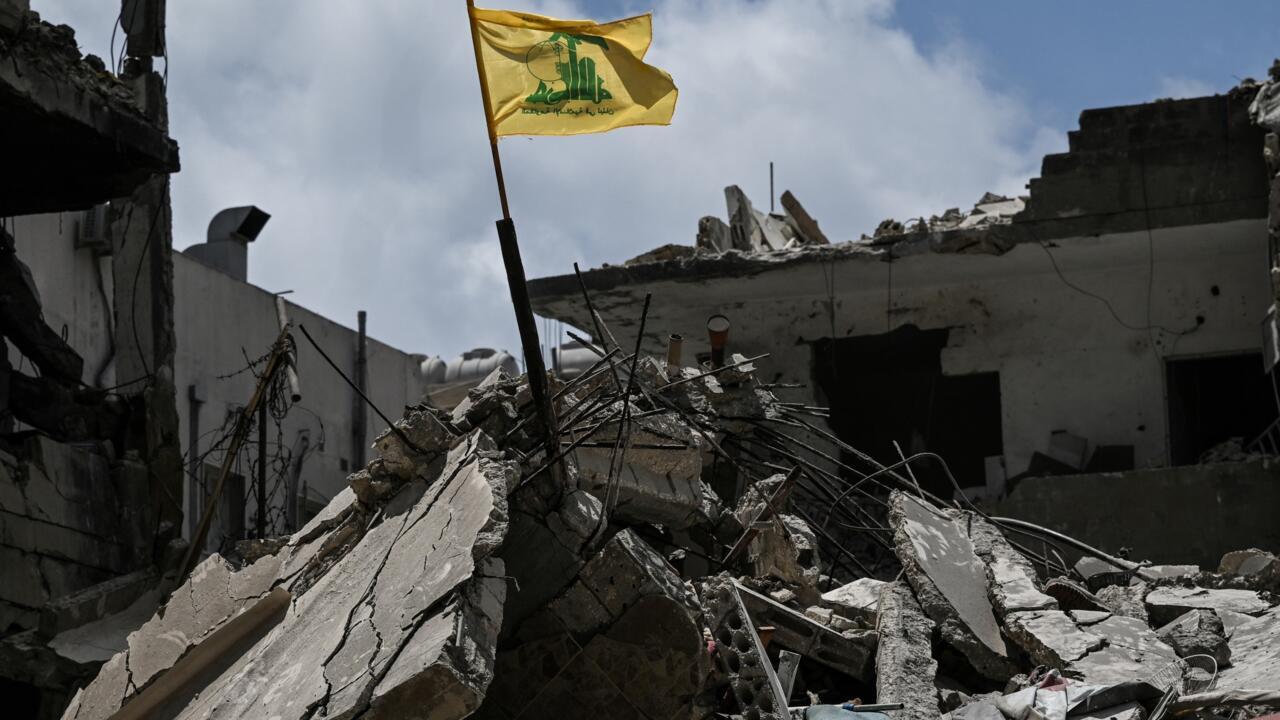
The Lebanese army has begun assuming security responsibilities in three southern villages, marking the first operational implementation of a US-backed trilateral framework signed on June 26. The United States State Department confirmed that operations have commenced in the pilot zones of Froun, Srifa, and Zawtar al-Gharbiya, describing the move as a direct outcome of diplomatic talks held between Israeli and Lebanese delegations in Rome last week.
Under the terms of the agreement, the Lebanese Armed Forces are tasked with assuming sole security control of vacated areas and certifying that these locations have been cleared of Hezbollah weapons and infrastructure. The initiative is designed to facilitate a phased Israeli withdrawal from southern Lebanon, with the pilot zones situated in villages straddling the Litani River intended to trial the approach. A US official stated that the deployment offers an opportunity for the Lebanese state to reassert control in areas historically dominated by the Iran-backed group.
State Department spokesman Tommy Pigott confirmed that the operations are proceeding under the auspices of the Military Coordination Group for Lebanon. The Lebanese military reported on Monday that troops are actively carrying out missions in Froun and Srifa. However, deployment in Zawtar al-Gharbiya is pending Israel’s withdrawal from that specific area, where Israeli forces remain present on the outskirts. Coordination for this third zone is currently underway with the Military Coordination Group.
The framework does not establish a specific timetable for Israel’s full withdrawal. Israeli officials have previously vowed that their forces will maintain a security zone extending 10 kilometres along the frontier for as long as Hezbollah remains armed. This security posture persists despite a fragile ceasefire reached after Hezbollah drew Lebanon into the broader Middle East conflict in March, during which Israel has continued to launch occasional strikes and detonations in occupied border villages.
Hezbollah has rejected the trilateral framework, insisting that any arrangement must be linked to wider negotiations between Washington and Tehran. The group has not yet indicated whether it will resist implementation in the designated pilot areas. The deployment precedes a planned meeting between Lebanese President Joseph Aoun and US President Donald Trump in Washington on Tuesday, underscoring the diplomatic urgency surrounding the ground-level trials of the security agreement.