Lawsuit Alleges Border Wall Contracts Awarded Without Genuine Competition
A federal suit argues that the Trump administration bypassed competitive bidding for major border infrastructure, concentrating nearly three-quarters of contract value with Fisher Sand & Gravel and Barnard Construction.
Posillico Civil Inc has filed a lawsuit in the U.S. Court of Federal Claims, alleging that the Trump administration awarded approximately $14 billion in Texas border wall contracts to only two firms without genuine competitive opportunities. The complaint, lodged on May 13, contends that the Department of Homeland Security (DHS) procurement process lacked transparency and that contract scopes were expanded beyond original solicitations, effectively excluding other prequalified vendors.
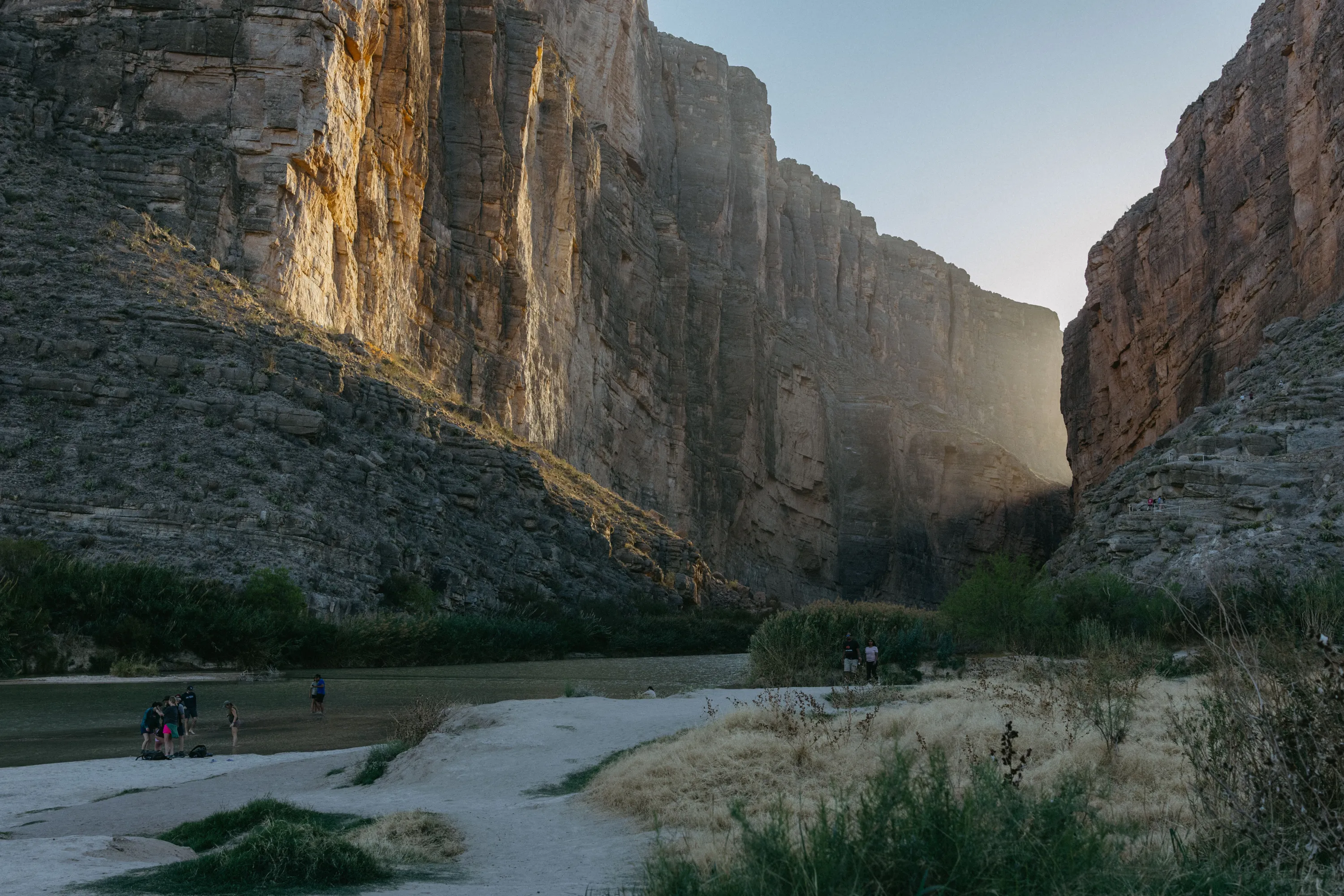
The suit details that out of 11 prequalified vendors, nearly 73 per cent of the contract value was awarded to Fisher Sand & Gravel and Montana-based Barnard Construction. Posillico alleges it incurred substantial bid preparation costs for solicitations that were not genuine competitive opportunities. The company, which previously built 43 miles of federal wall in South Texas, argues that the government failed to provide clear parameters, such as the requirement for cattle fencing and guards in the Big Bend Sector, which were added after the initial bidding phase.
Fisher Sand & Gravel, one of the primary contractors, has a history of controversy involving shoddy construction, erosion issues, and legal disputes with the International Boundary and Water Commission regarding binational water treaties. The firm also previously received funding from We Build the Wall, a nonprofit whose leaders were later convicted of fraud. Despite this, Fisher has been awarded over $9 billion in new contracts, including a $1.2 billion deal in the Big Bend region.
DHS Secretary Kristi Noem waived dozens of laws regulating financial transparency and competitiveness for the entire 1,954-mile U.S.-Mexico border, marking the first time such waivers were applied across the full border. This move was enabled by the One Big Beautiful Bill Act, which secured $46.5 billion for border wall construction in 2025. Critics, including federal contract law expert Charles Tiefer, argue the department prioritised loyalty over best value, a sentiment echoed by the Center for Biological Diversity, which has filed separate lawsuits challenging the waivers.
The legal proceedings have been further obscured by a motion granted by Judge David A. Tapp to seal documents in the Posillico case, including depositions and affidavits. While DHS maintains that the bidding process has been fair and based on qualifications, the lack of public data has left residents in border communities relying on shifting online maps and local reports to understand the scale of infrastructure projects impacting areas like Big Bend National Park.