Latvia parliament backs Kulbergs as new PM following drone-led coalition collapse
The new four-party coalition inherits a mandate to reinforce military and border security after the previous administration fell amid disputes over the handling of stray drones suspected to be from Ukraine.
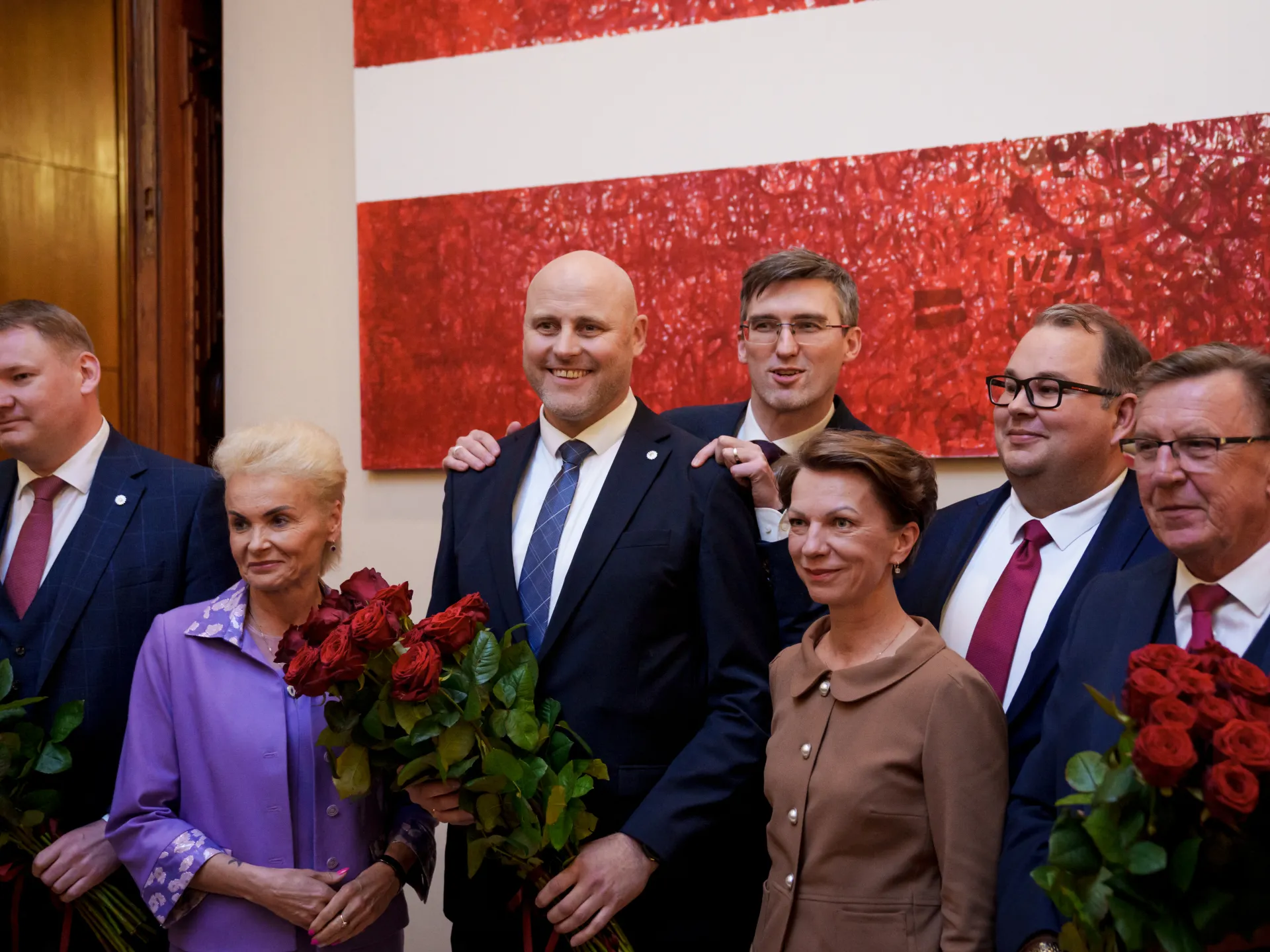
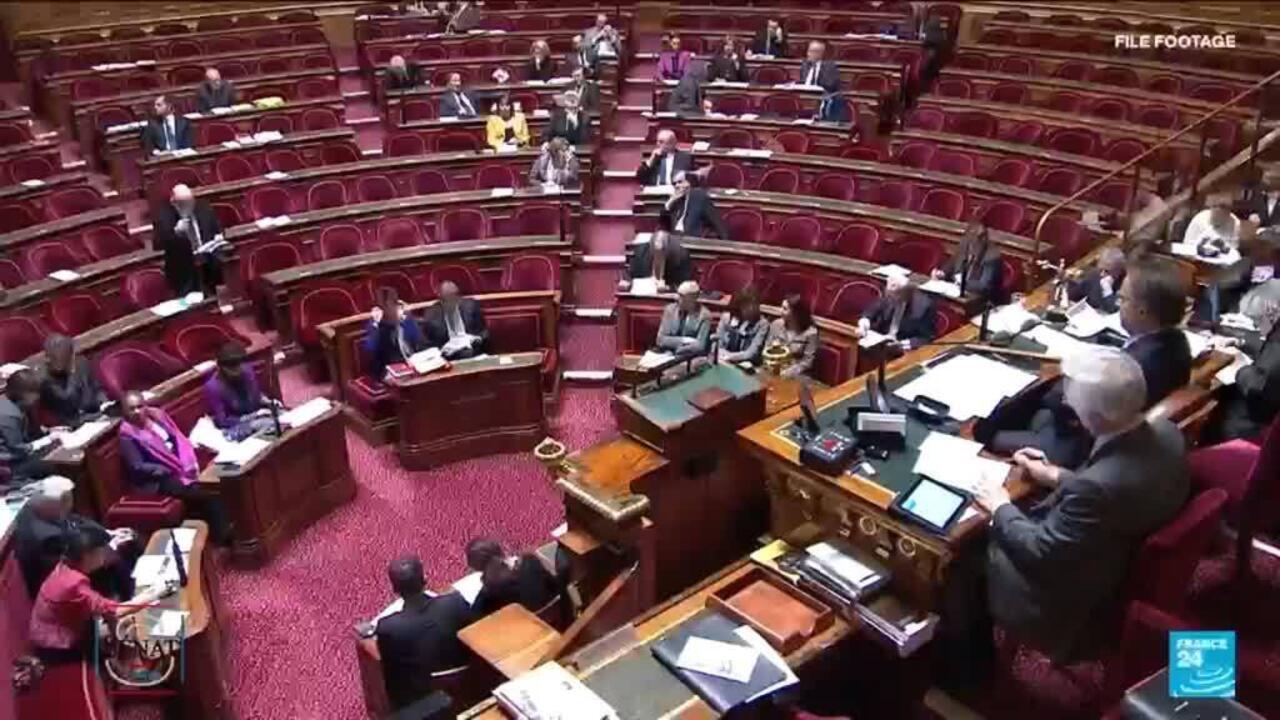
Latvia’s parliament has approved a new coalition government led by centrist Andris Kulbergs as prime minister, marking the end of a political crisis triggered by disputes over national security protocols. The vote passed with 66 deputies in the 100-seat assembly, confirming Kulbergs as the head of a four-party coalition that will govern until parliamentary elections scheduled for October 3.
The collapse of the previous administration began in mid-May when Defence Minister Andris Spruds resigned over the government’s handling of multiple incidents involving stray drones suspected to be from Ukraine. Prime Minister Evika Silina subsequently stepped down after losing the support of a coalition partner, citing a breakdown in trust with Spruds, whom she accused of failing to deploy anti-drone defences quickly enough to intercept wayward attack drones.
Kulbergs, who was backed by President Edgars Rinkevics to replace Silina, has retained Baiba Braze as foreign minister and appointed Colonel Raivis Melnis as defence minister. In a speech preceding the parliamentary vote, Kulbergs emphasised that the government’s duty extends beyond external security to include economic and energy security, as well as ensuring citizens’ sense of safety within the country.
The drone incidents, which have caused minimal physical damage, have sparked widespread concern in the Baltic nation since Russia’s invasion of Ukraine in 2022. Several Russian and Ukrainian drones have crashed in Latvia and neighbouring Lithuania and Estonia, with some thought to have been knocked off course by Russian jamming. Ukrainian President Volodymyr Zelenskyy has offered to send experts to assist Latvia in boosting its air defences.
The new coalition is expected to pursue a firmly pro-EU and pro-NATO policy, with a specific focus on reinforcing military capabilities and border security. Political scientist Nils Muiznieks noted a broad consensus on foreign policy priorities among the coalition parties, suggesting that the new government will likely maintain strong solidarity with Ukraine while addressing the security vulnerabilities exposed by the recent incidents.