Largest Southeast Asian dinosaur identified in Thai excavation
The 100-million-year-old herbivore, named Nagatitan chaiyaphumensis, is estimated to weigh as much as nine adult Asian elephants, marking the most significant palaeontological find in the region to date.
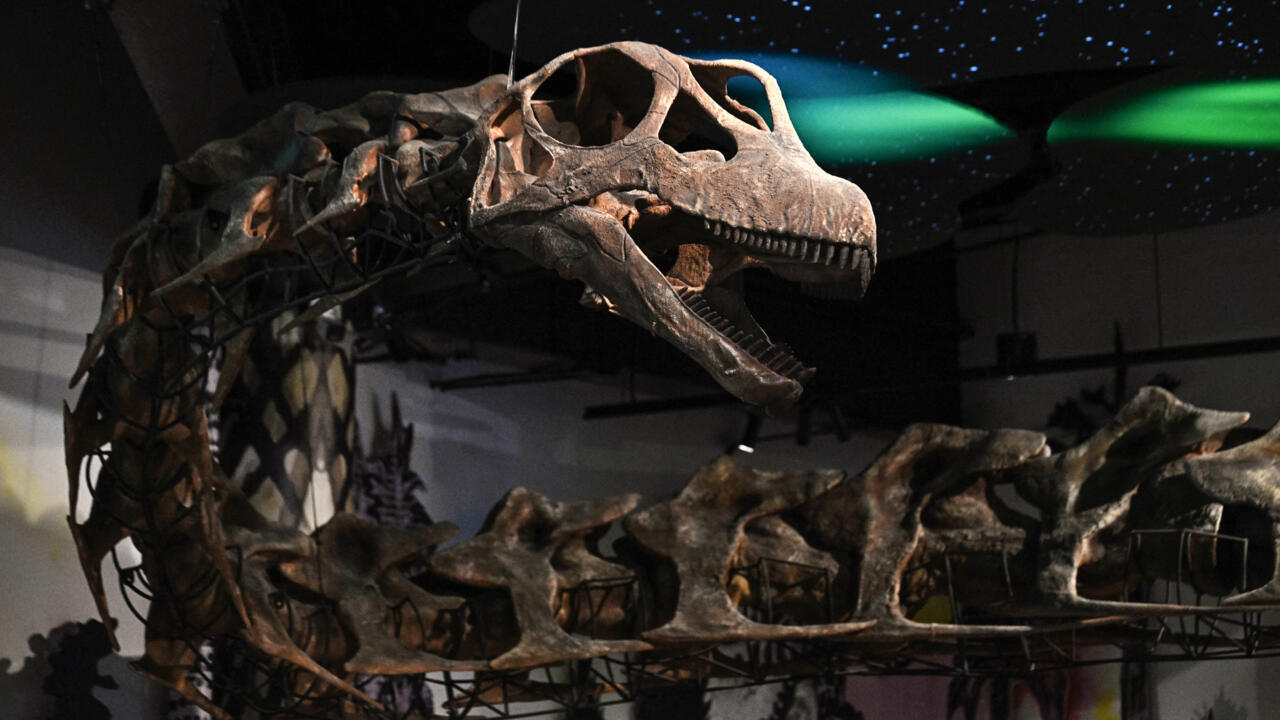
Scientists have identified a previously unknown dinosaur species excavated in Thailand, described as the largest ever found in Southeast Asia. The long-necked herbivore, designated Nagatitan chaiyaphumensis, roamed the region between 100 and 120 million years ago, according to a study published in the journal Scientific Reports.
The specimen measured 27 metres in length and weighed approximately 27 tonnes, a mass equivalent to nine adult Asian elephants. Lead researcher Thitiwoot Sethapanichsakul, a PhD student at University College London, noted that the creature likely weighed at least 10 tonnes more than Dippy the Diplodocus, the composite cast formerly displayed at London's Natural History Museum.
Sethapanichsakul referred to the sauropod as "the last titan" because it was unearthed in one of the youngest rock formations where dinosaurs are found in Thailand. The researcher suggested that because the region later became a shallow sea, this may be the most recent large sauropod to be discovered in Southeast Asia.
Initial remains of the enormous creature were discovered by locals in northeast Thailand approximately a decade ago. However, the excavation process was not completed until 2024. While the remains partially resembled those of previously discovered sauropods, they possessed enough unique features to be classified as a distinct new species.
The dinosaur has been named Nagatitan chaiyaphumensis, combining a serpent from Southeast Asian folklore, a giant from Greek mythology, and the Chaiyaphum province where it was found. A life-size reconstruction of the animal is currently on display at Bangkok's Thainosaur Museum.