Landstar slashes carrier network by 35 per cent amid liability fears
Second-quarter revenue rises 19 per cent to $1.33 billion as Landstar System enforces stricter vetting following Montgomery v. Caribe Transport II decision.
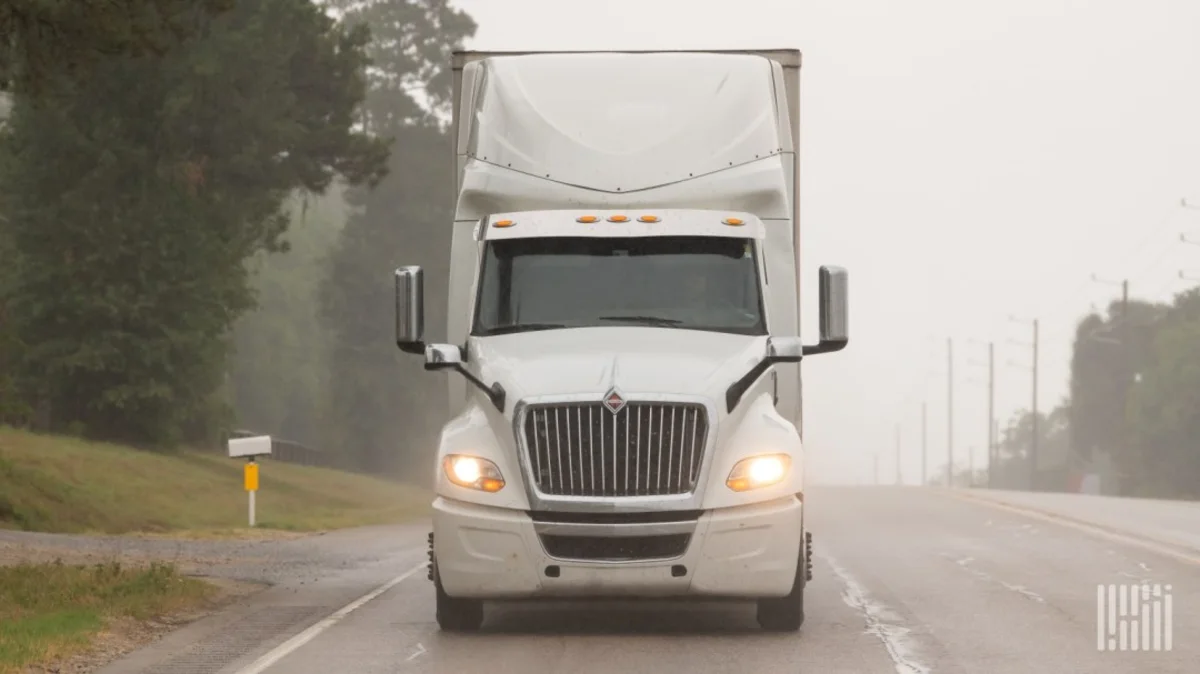
Landstar System has removed more than 35,000 motor carriers from its approved network over the past four years, a move that has reduced the Jacksonville-based logistics company’s carrier pool by approximately 35 per cent. Matt Miller, Landstar’s vice president and chief safety and operations officer, disclosed the scale of the reduction during the company’s second-quarter earnings call on July 28, noting the pool has shrunk from over 100,000 approved carriers in the second quarter of 2022 to just over 64,000 at the end of the second quarter of 2024.
The reduction was driven by a strategic focus on enhancing safety, security, and service standards, with initial efforts targeting cargo theft and freight fraud through enhanced vetting technology, identity checks, and stricter compliance measures. Miller stated that the company has no plans to ease its scrutiny, emphasising that Landstar will continue to leverage new technologies and information to drive operational rigour as part of its long-standing approach to brokerage safety.
The carrier purge gains significant financial and legal weight following the US Supreme Court’s May ruling in Montgomery v. Caribe Transport II, which widened the potential liability exposure for freight brokers regarding the selection of motor carriers. Landstar chief executive Frank Lonegro indicated that the ruling has accelerated inquiries from prospective agents, with the company recently signing an $18 million Midwest freight broker as an independent agent, while chief financial officer Jim Todd warned that the decision may embolden plaintiffs to pursue liability cases previously dismissed on federal preemption grounds.
Despite the heightened regulatory scrutiny, Landstar reported a 19 per cent year-on-year increase in total truck revenue to $1.33 billion for the second quarter, with revenue per load jumping 17 per cent as truck capacity tightened significantly. However, the company also recorded approximately $10.5 million in unfavourable adjustments to prior-year claims, three of which involved truck brokerage operations, underscoring the ongoing risks within the sector even as Lonegro called for clearer federal standards to support a more predictable insurance and claims environment.
Insurance costs have risen modestly in response to the shifting legal landscape, with broker liability costs increasing by approximately 3 per cent at Landstar’s June 1 renewal, while auto liability coverage remained effectively flat. The company’s scale and safety record are now viewed as competitive advantages in a market where conditions are shifting rapidly in favour of transportation providers, with national dry van spot rates remaining significantly higher year-on-year compared to earlier in the year.