Lai accepts Trump’s call offer, breaking four decades of protocol
Taiwan’s President Lai Ching-te confirms willingness to speak with Donald Trump, drawing immediate diplomatic friction with China amid ongoing US-China trade and security talks.
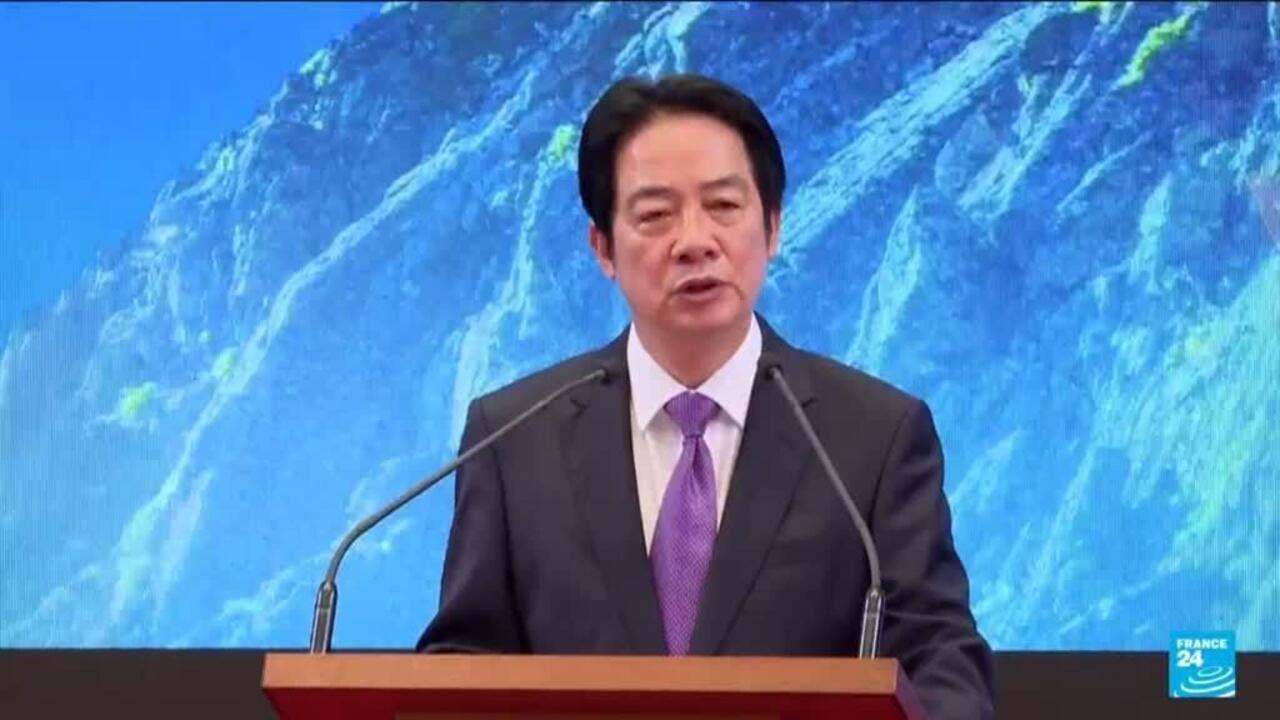
Taiwan’s President Lai Ching-te stated on Thursday that he would be “happy” to engage in a telephone conversation with US President Donald Trump, a move that would shatter more than four decades of established diplomatic protocol between the two entities. The announcement follows comments made by Trump on Wednesday, where he confirmed to reporters his intention to speak with Lai.
The proposed dialogue arrives at a sensitive juncture, coinciding with the commencement of a two-day summit in Beijing between Trump and Chinese President Xi Jinping. The high-level meeting, which began on 14 May 2026, is focused on navigating complex issues including trade relations, artificial intelligence regulation, and tensions surrounding Iran.
China has expressed pre-emptive ire regarding the potential call, viewing high-level official contact between Washington and Taipei as interference in its internal affairs. The reaction underscores the delicate balance the White House must maintain while deliberating on potential arms sales to the island, a factor that has contributed to recent positive movements in US stock markets.
Market indices rose on Thursday as the summit began, with the Dow Jones Industrial Average gaining 0.8%, the S&P 500 rising 0.3%, and the Nasdaq Composite climbing 0.2%. Concurrently, Nvidia shares surged more than 2% following the US approval of H200 chip sales to Chinese firms, highlighting the intertwined nature of security and economic policy in the region.
While the specific timing and terms of the proposed conversation remain unconfirmed, the willingness of both leaders to engage signals a shift in operational dynamics. The White House continues to weigh the strategic implications of arms sales to Taiwan, even as it seeks to stabilise relations with Beijing through the ongoing diplomatic channel.