Labour MPs push for electoral reform commission as Burnham faces internal pressure
Nearly 100 Labour MPs are backing a commission to replace the first-past-the-post system, seeking a manifesto commitment to address an atomised political landscape.
Prime Minister Andy Burnham is facing significant internal pressure to establish a commission tasked with determining a route to replace the first-past-the-post voting system. The move is supported by nearly 100 Labour MPs, who are seeking to secure a formal commitment in the party’s next manifesto that it will change the voting system if re-elected.
The push for reform has emerged despite the 2024 Labour manifesto addressing election changes only in terms of ID rules and lowering the voting age to 16 and 17. While Burnham has categorically ruled out any changes to the electoral system before the next election, he is a longstanding supporter of reform. The Labour conference voted overwhelmingly to support a proportional system in 2022, a motion that had only been defeated the previous year after unions blocked it.
The shift in momentum is attributed to the changed composition of the Labour parliamentary bench following the 2024 election. Many longer-standing MPs had previously been sceptical of reform, arguing for stability in a winner-takes-all contest, whereas many new MPs support change. This internal alignment reflects a broader concern over an atomised political landscape where five major parties are polling in a tight group.
Critics of the current system point to the disparity evident in the 2024 election, where Labour won nearly two-thirds of Commons seats with only a third of the votes. Supporters of proportional representation argue that the current system forces millions of voters to vote tactically, selecting a least-disliked candidate rather than their true preference. They contend that this dynamic creates disenchantment and cynicism, particularly as eroded party loyalties have diminished the rationale for a two-party system.
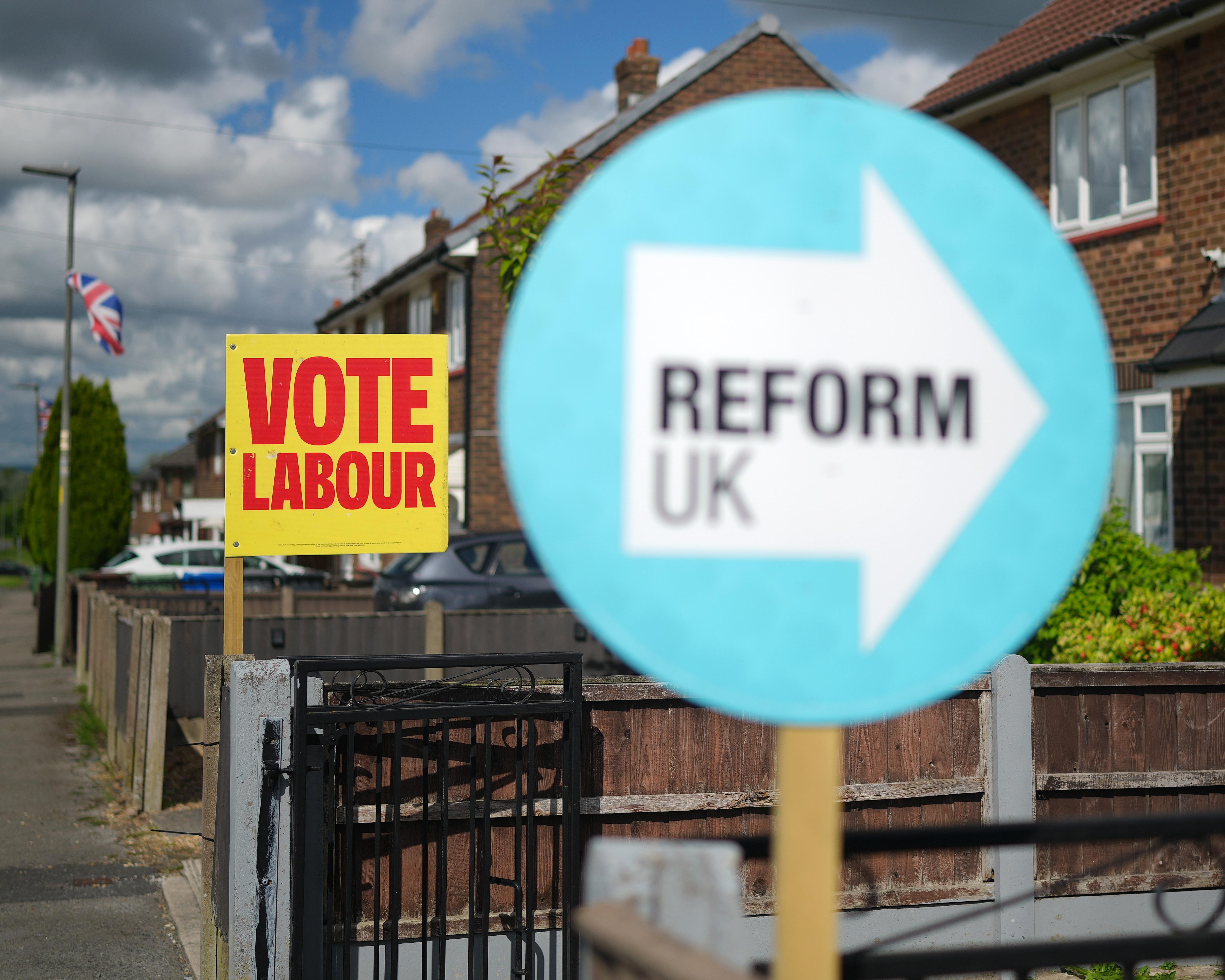
There is also a direct strategic interest for some Labour MPs regarding the rise of Reform UK, which has polled regularly at or above 30 per cent. Reform officially supports electoral reform, although leader Nigel Farage has recently gone quiet on the issue as his party leads in the polls. If a proportional system were adopted, it would likely secure the support of the Liberal Democrats, Greens, Scottish National Party, and Plaid Cymru, all of which back such a move.
While the specific outcome of the proposed commission remains undecided, the aim is to provide a clear plan for future governance. The Labour MPs hope that a commitment to change the voting system will be included in the next manifesto, potentially altering the coalition dynamics and addressing the stability concerns raised by the country’s frequent changes in government.