Labour leadership crisis deepens as MPs pressure Starmer over governance
A day of internal friction sees Keir Starmer attempt to quell unrest while Deputy Prime Minister Angela Rayner urges rival Andy Burnham to return to the fold.
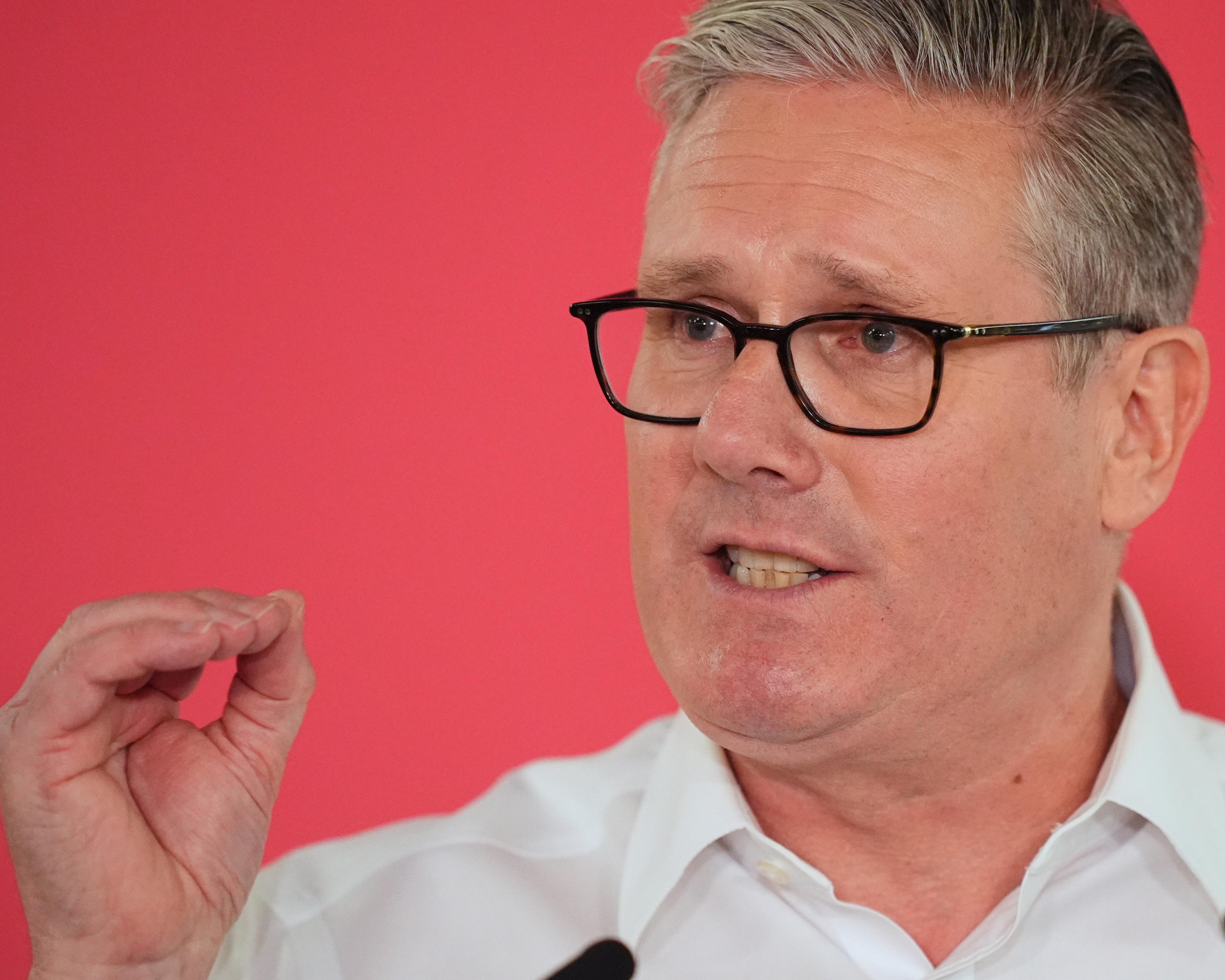
On 11 May 2026, Prime Minister Keir Starmer faced mounting internal pressure as a growing number of Labour MPs called for his resignation, raising serious questions about the party's capacity for governance. The day began with the Prime Minister delivering a speech designed to persuade his colleagues against launching a formal leadership challenge, yet the atmosphere in Westminster remained tense throughout the proceedings.
By lunchtime, the focus of the crisis shifted as Deputy Prime Minister Angela Rayner addressed the CWU conference. During her appearance, she explicitly called for rival Andy Burnham to return to the Labour party, a move that underscored the deepening fracture within the Parliamentary Labour Party. This intervention came as the list of dissenting MPs continued to increase, with reports describing the numbers as slowly creeping up throughout the day.
Despite the rising tide of opposition, no formal leadership challenge materialised. While the Guardian's Politics Weekly podcast, hosted by Pippa Crerar and Kiran Stacey, noted the unfolding crisis, the specific count of MPs involved on this particular day remains unquantified in available reports. The situation reflects a broader context where more than 60 Labour MPs have previously issued statements demanding a specific timetable for Starmer's departure.
The current wave of pressure is driven by the belief that the Prime Minister has lost voter confidence following the party's worst local election results. This perception of lost mandate has fueled a sense of urgency among MPs who feel the government is ungovernable, leading to a deepening rift between the leadership and a significant bloc of the parliamentary party.
While the day ended without a formal motion being tabled, the events highlight a significant governance crisis within the administration. The inability to coalesce a formal challenge despite the growing list of dissenters suggests a complex political landscape where institutional mechanisms are being tested by internal dissatisfaction.
As the party navigates this period of instability, the focus remains on whether the leadership can restore unity or if the current fractures will lead to further political volatility in the coming weeks.