Labour leadership contest looms as policy rifts between Starmer and potential rivals widen
An analysis of the stances held by Andy Burnham, Wes Streeting, Angela Rayner, and Ed Miliband reveals significant divergences on constitutional reform, public service delivery, and taxation, challenging Keir Starmer’s current governance model.
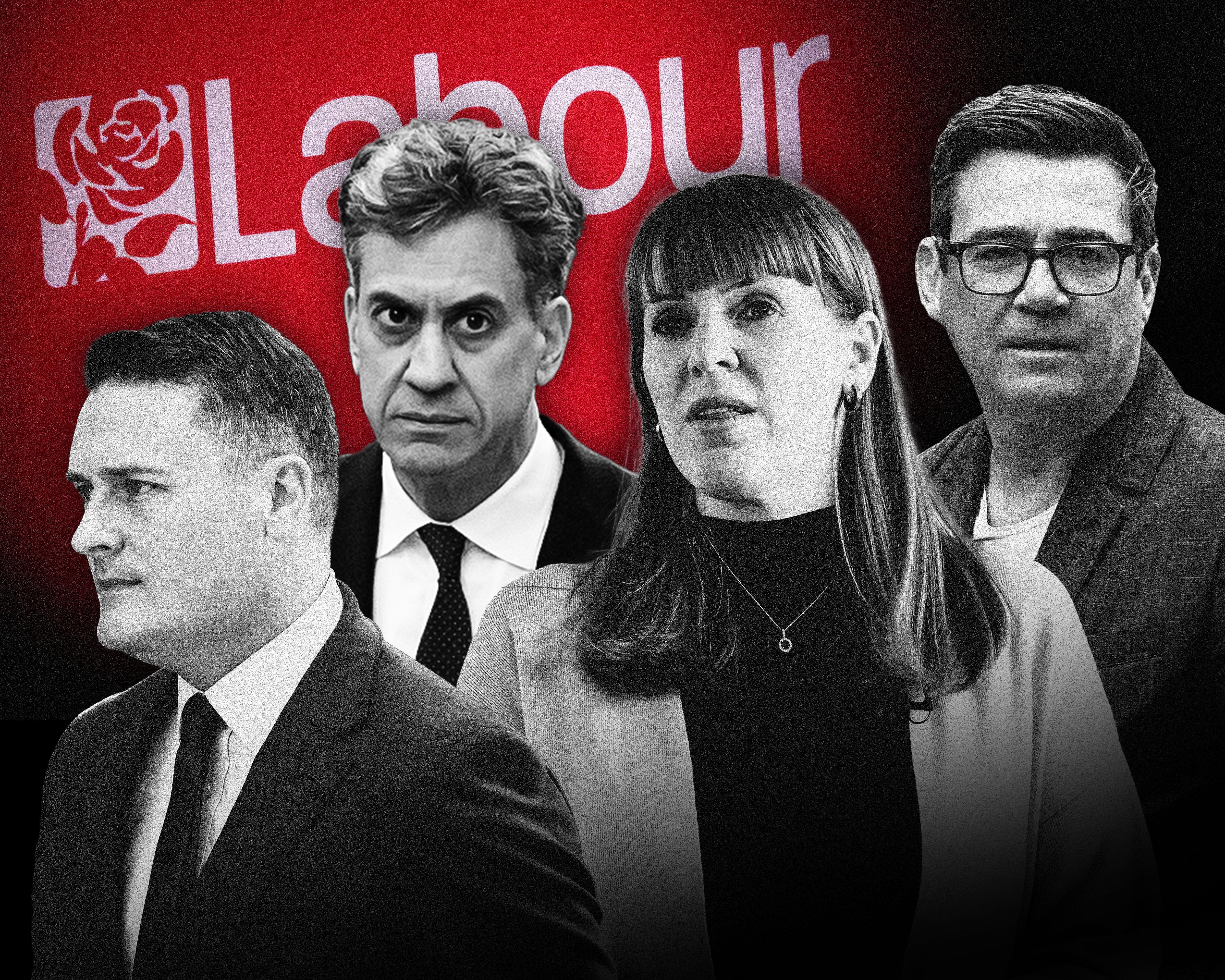
Speculation regarding a potential Labour leadership contest has intensified following the resignation of Health Secretary Wes Streeting and former MP Josh Simons. Simons’ departure from the Makerfield constituency triggers a byelection in a seat held by a majority of just over 5,000, creating a direct pathway for Greater Manchester Mayor Andy Burnham to seek selection and return to parliament. While Streeting’s resignation letter did not declare him a candidate, No 10 sources suggest he may lack sufficient support to launch a bid immediately, though the alignment of senior figures has encouraged Starmer to leave office.
Andy Burnham, who advocates for a political philosophy he terms "Manchesterism," has long championed the nationalisation of utilities and the expansion of social housing. His approach, modelled on the integrated public transport network in Greater Manchester, suggests a broader shift toward public control of services. Burnham has also emerged as a leading voice for constitutional change, calling for the abolition of the House of Lords, the end of the whipping system in the Commons, and the implementation of proportional voting. However, the fiscal implications of his social housing plans remain uncertain, as social-rent homes require higher subsidies per unit, potentially undermining overall housebuilding targets.
Wes Streeting’s policy stance blends traditional Blairism with demands from the soft-left, particularly regarding public service delivery. He supports greater private sector involvement in the NHS and has championed the increased use of artificial intelligence in health services. On international relations, Streeting has been a pro-European voice, leaving open the possibility of the UK rejoining an EU customs union, though the EU is likely to demand significant concessions. Domestically, he has previously advocated for raising capital gains tax to match income tax rates and replacing inheritance tax with a lifetime gift tax.
Angela Rayner’s policy agenda focuses on strengthening employment rights and modifying migration and welfare rules. She has described proposals to extend waiting periods for migrants’ settled status as "un-British" and aims to scrap them. Rayner also seeks to soften welfare cuts, suggesting that revenue shortfalls could be addressed through tax increases on banks, commercial property, and companies benefiting from the Iran war. While she has committed to sticking to government borrowing rules, her focus on limiting the scenarios in which companies can fire and rehire workers marks a departure from the current government’s approach.
Ed Miliband prioritises climate action, having successfully persuaded the Prime Minister to ban new North Sea oil and gas licences. He intends to increase spending on renewable technologies and has historically advocated for a 50p top rate of income tax and caps on profits for private sector companies providing NHS services. Fossil fuel companies suspect a Miliband-led government would be less likely to approve major new fields such as Rosebank and Jackdaw. As senior party figures avoid announcing direct leadership bids, the policy differences outlined by these four figures highlight the depth of the internal challenge facing Keir Starmer’s leadership.