Labour leadership contest: Burnham preferred but faces structural hurdles
Internal party rules requiring 81 MP endorsements pose significant barrier to any leadership challenge, while Burnham must first re-enter Parliament to mount a bid.

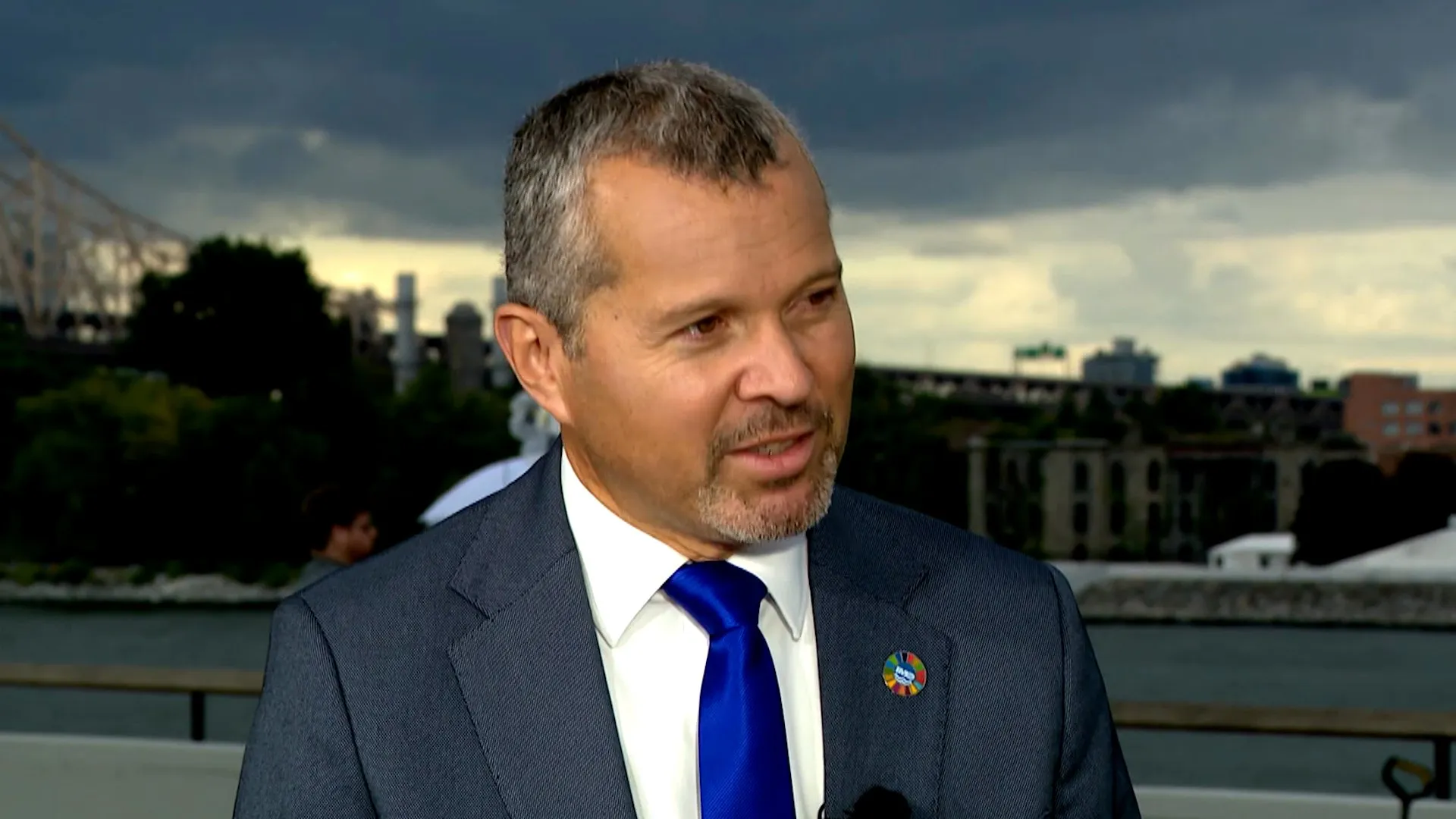
Political commentator and former Labour Party advisor Matthew Torbitt has identified Greater Manchester Mayor Andy Burnham as the most popular potential leadership candidate within the UK Labour Party. Speaking to France 24 International, Torbitt described Burnham as "by far and away the favourite of all Labour Party members across all stripes," positioning him as the party’s most electorally potent figure.
Despite this internal popularity, Burnham faces a significant structural barrier to mounting a leadership bid. As the Mayor of Greater Manchester and not a Member of Parliament, he would need to re-enter Parliament through a by-election before he could formally challenge for the leadership. This requirement creates a procedural hurdle that currently separates his standing among members from his ability to execute a leadership contest.
Torbitt argues that Prime Minister Keir Starmer is likely to survive short-term challenges to his leadership due to the party's internal rules, which make leadership coups difficult. Unlike the Conservative Party, which tends to dispose of leaders more readily, Labour "don’t tend to dispose of leaders, particularly in government," making internal removals rare.
The threshold for a leadership challenge within the Labour Party is high, requiring the backing of 81 MPs for a single candidate. Torbitt noted that dissatisfaction alone is not enough to trigger a contest; opponents must unite behind a credible alternative to meet this specific numerical requirement. This rule structure suggests that fragmented opposition is unlikely to succeed in removing the current Prime Minister.
The UK Labour Party is currently described as entering a "potentially existential leadership crisis," though the severity of this projection remains speculative. While Burnham remains Starmer's biggest threat in terms of member sentiment, the combination of procedural rules and the need for broad parliamentary support provides the current leadership with a degree of stability against short-term challenges.