Kyushu on Alert as Stalled Front Triggers Level 4 Landslide Warnings
Saga and Nagasaki prefectures face imminent disaster risks, with strict vigilance required as the rainy season front stalls over northern Kyushu until at least June 25.
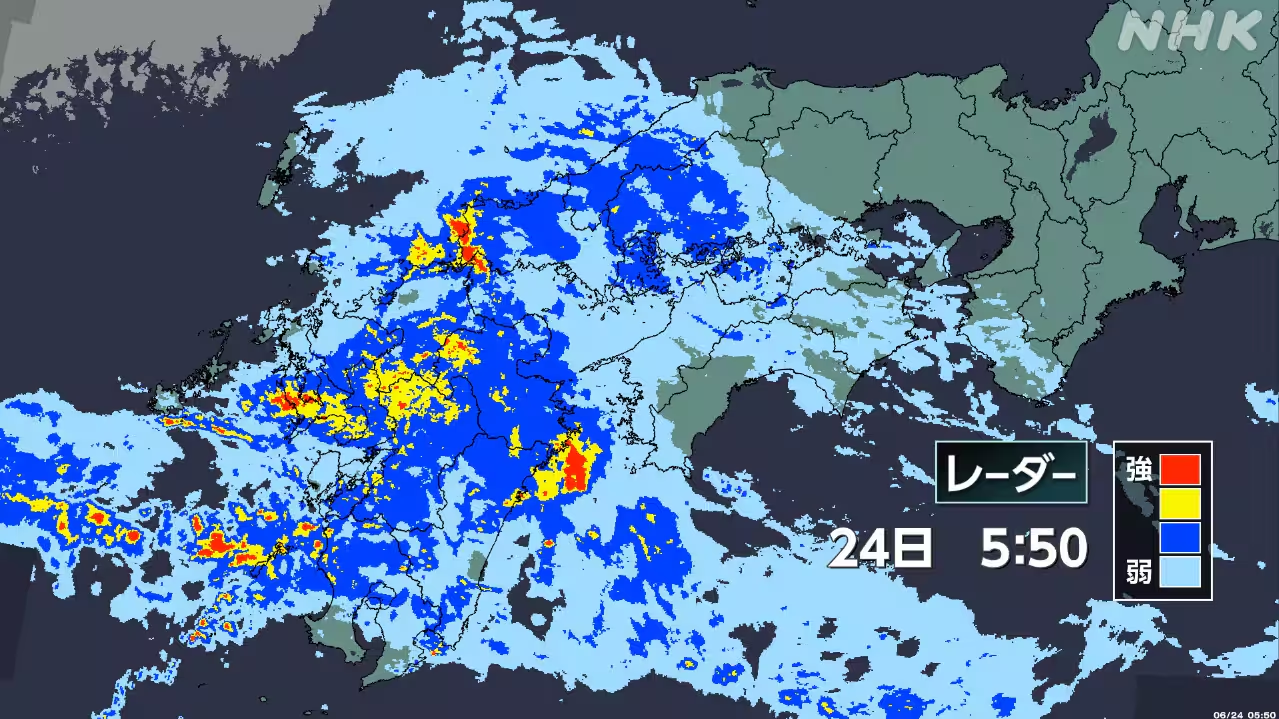
Very heavy rain is currently impacting northern Kyushu, driven by a stalled rainy season front that has prompted urgent disaster preparedness measures across the region. According to reports from NHK, the persistent weather system has led to the issuance of Level 4 landslide danger warnings in parts of Saga and Nagasaki prefectures. These warnings, the highest level in Japan’s disaster prevention system, indicate that life-threatening disasters are imminent and require strict vigilance from residents, including potential evacuation.
The Japan Meteorological Agency (JMA) has identified specific meteorological threats exacerbating the situation. On June 24, 2026, the agency issued a 'linear rainband imminent prediction' for southern Nagasaki. This specific early warning tool alerts residents to the high probability of intense, concentrated rainfall associated with linear precipitation bands. Authorities have also noted the potential for such bands to develop in Nagasaki, Kumamoto, and Saga prefectures, further complicating the disaster response landscape.
The current weather event is characterised by a stalled rainy season front, a common meteorological phenomenon in Japan during this period that often results in prolonged and heavy precipitation. The JMA’s forecast indicates that heavy rain will continue across western Japan until June 25, 2026. This extended duration of rainfall increases the saturation of soil in the affected areas, thereby elevating the risk of landslides and other geological hazards.
Local governments in Saga and Nagasaki are urging residents in areas under Level 4 warnings to take immediate protective action. The warnings signify that severe damage is likely, and the margin for error in evacuation planning is minimal. While the exact timing and location of the linear precipitation band formation remain dynamic and subject to change, the potential for sudden, intense rainfall requires constant monitoring by local authorities and the public.
As the weather system continues to stall, the focus remains on mitigating the risks associated with the heavy rain. The JMA and local disaster management agencies are closely tracking the movement of the front and the potential development of linear rainbands. Residents in western Japan are advised to remain informed of the latest weather updates and to adhere strictly to evacuation orders if issued, given the imminent threat posed by the current meteorological conditions.