Kyoto Fusioneering begins construction of fusion breeding device at Oak Ridge
The $121 million-backed firm will test liquid lithium breeding blanket technologies, providing experimental data for the broader fusion supply chain.
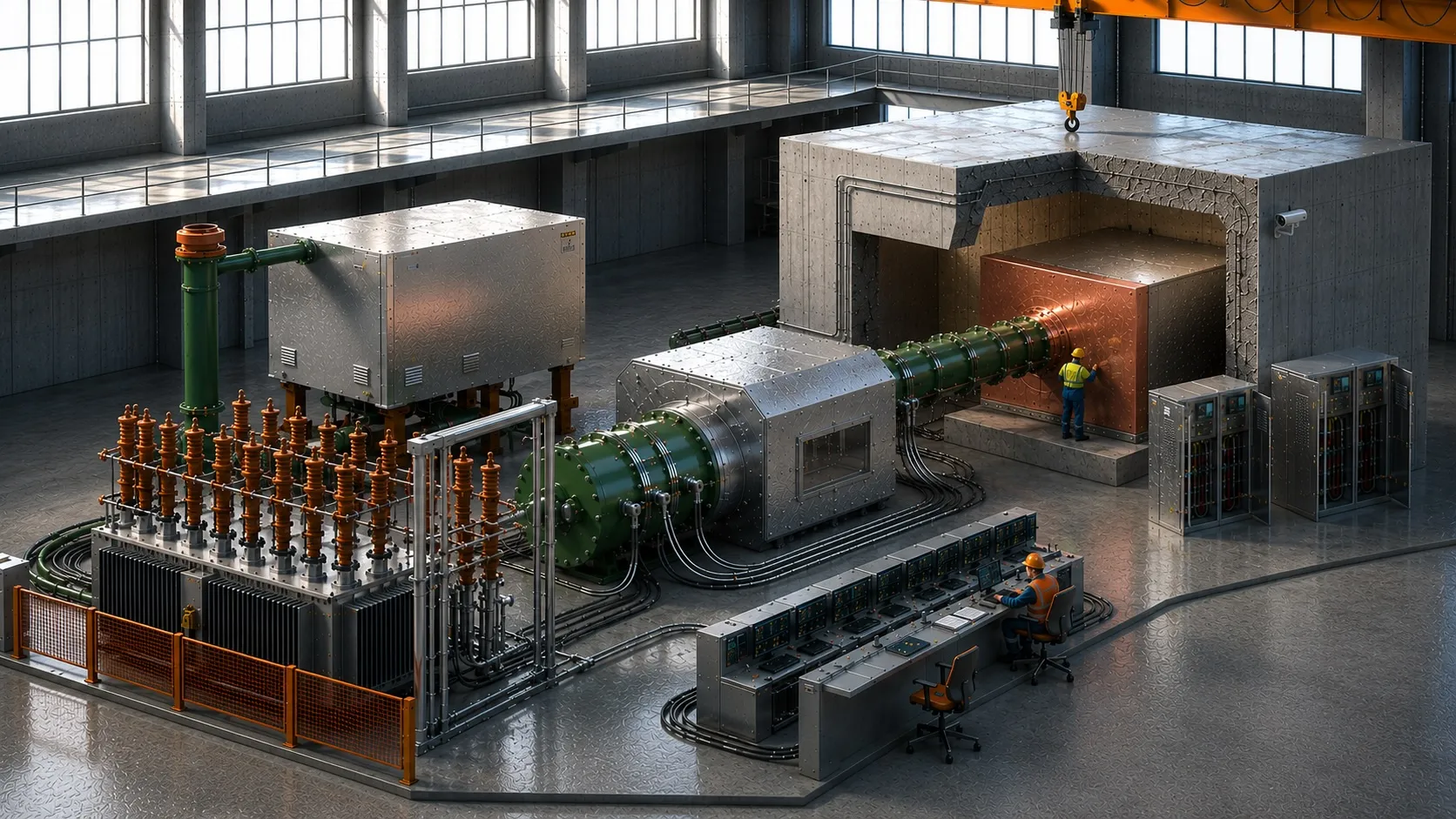
Japan-based fusion startup Kyoto Fusioneering has commenced construction of the Unity-3 prototype fuel breeding device at Oak Ridge National Laboratory in Tennessee. The project is supported by grants from the U.S. Department of Energy and the state of Tennessee, marking a significant step in the development of auxiliary fusion infrastructure. Concurrently, the company announced it is relocating its United States headquarters to Oak Ridge to be closer to the construction site.
Unity-3 is designed to test breeding blanket technologies, specifically focusing on liquid lithium systems. These systems are engineered to harvest heat and neutrons from the fusion reaction, splitting lithium atoms to produce helium and tritium, a critical isotope for many reactor designs. The device will also evaluate a range of other breeding blanket materials, aiming to validate experimental data that the industry has thus far relied on primarily through computer modelling.
Kyoto Fusioneering has raised $121 million in committed capital, according to data from FusionX. The startup has positioned itself as a key supplier in the emerging fusion power sector, developing systems to heat fuel into plasma, recycle unburned fuel from exhaust, and harvest heat for electricity generation. The company noted that its forthcoming device will provide essential performance metrics for the broader industry.
The experimental data generated by Unity-3 is expected to support other fusion startups in their reactor design processes. Companies including Realta Fusion, Thea Energy, Type One Energy, and Xcimer Energy will utilise the findings to inform their own engineering approaches. This collaborative dynamic reflects a growing supply chain for fusion auxiliary equipment, moving beyond the traditional focus solely on reactor cores.
A recent survey by the Fusion Industry Association indicated that over half of fusion startups plan to work with external suppliers like Kyoto Fusioneering on fuel cycle technologies. While the timeline for grid-ready fusion power remains unspecified and the specific performance outcomes of the Unity-3 prototype are yet to be determined, the project underscores the industry’s shift towards validating critical component technologies through physical experimentation.