Kyiv and Dnipro struck as Russian offensive kills 22 and injures over 100
Moscow’s escalation follows threats made a week prior, with civilian infrastructure bearing the brunt of attacks across three major cities.
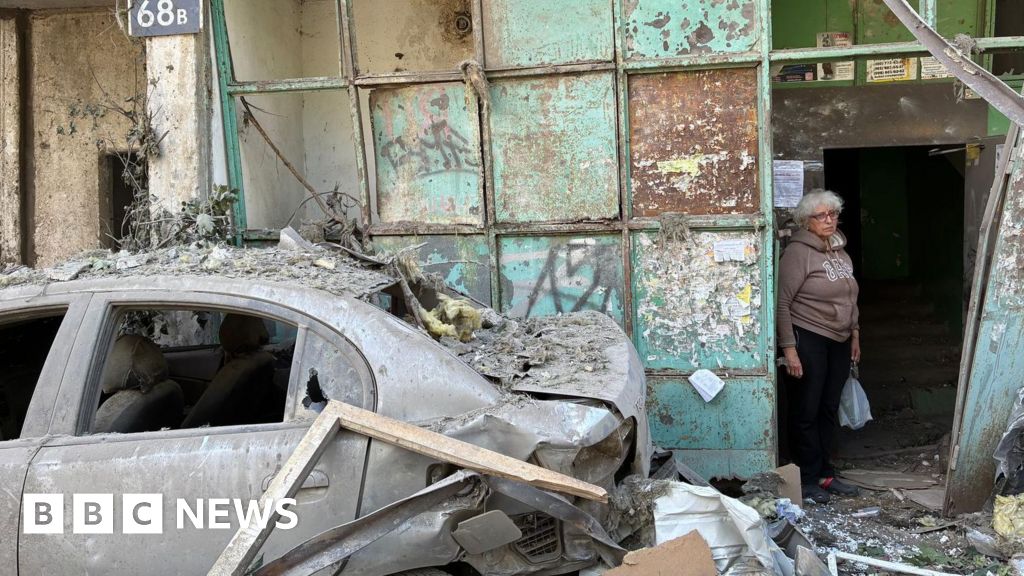
Russian missile and drone strikes have killed at least 22 people and injured more than 100 across Ukraine, targeting Kyiv, Dnipro, and Kharkiv in a coordinated offensive that has drawn international scrutiny. The attacks, which struck residential areas and energy infrastructure, mark a significant escalation following explicit threats from Moscow approximately one week prior to the incidents.
In Kyiv’s Vynohradar district, explosions hit high-rise apartment blocks, resulting in at least six deaths and several severe injuries. BBC journalists observed the aftermath, noting smashed windows, burnt-out vehicles, and dust lingering in the air. Locals reported hearing at least three massive explosions before the damage became visible, with neighbours of those living near the epicentre requiring hospitalisation for severe injuries.
The scale of the threat in the capital was underscored by emergency protocols, with more than 41,000 people, including nearly 4,500 children, sheltering in Kyiv metro stations overnight. This figure represents a record number of shelterers in recent years, reflecting the widespread anxiety as residents prepared for the anticipated escalation.
Dnipro suffered the highest casualty count, with at least 16 people killed after two residential buildings were struck. Across both Kyiv and Dnipro, more than 90 individuals were injured. In Kharkiv, energy facilities and civilian infrastructure were also targeted, with 10 injuries reported, including a child.
Moscow has consistently maintained that its operations target military objectives, despite the recurring civilian casualties. The discrepancy between stated aims and observed outcomes has intensified debates regarding the conduct of the conflict and the protection of civilian infrastructure under international law.
Emergency responders, government psychologists, and volunteers have been deployed to assist survivors. In Vynohradar, rescuers checked on residents while psychologists supported those experiencing acute distress. Municipal workers and local volunteers, including children, began clearing rubble from damaged sites, such as a children’s activity centre where painted purple butterflies remained visible on broken windows.
Despite the devastation, Kyiv has demonstrated a persistent tendency to resume daily routines. Road workers were seen laying new tarmac nearby, and buses operated as normal just short distances from the blast zones. Children were observed playing on swings near the epicentre, illustrating the city’s complex response to sustained warfare.
Anna, a resident of a nine-storey block near one of the explosions, expressed the profound psychological toll of the strikes. She noted that while physical structures could be repaired, the emotional impact was lasting. "They'll fix the building, but not our souls," she said, adding that the "whole of Ukraine is in grief."
The attacks have renewed concerns about the sustainability of civilian life in Ukrainian cities. With energy facilities and residential areas repeatedly targeted, the distinction between military and civilian zones continues to blur, complicating efforts to restore stability and safety for the population.
Casualty figures and damage assessments remain subject to revision as emergency services continue their work. The incident in Galati, Romania, involving a Russian drone, is distinct from these strikes but highlights the broader regional security challenges posed by the ongoing conflict.