Kuwait intercepts Iranian retaliatory strike as US-Iran ceasefire talks stall
Tensions escalate in the Persian Gulf as Kuwait defends against Iranian missiles, while indirect negotiations between Washington and Tehran face renewed hurdles over mistrust and revised deal frameworks.
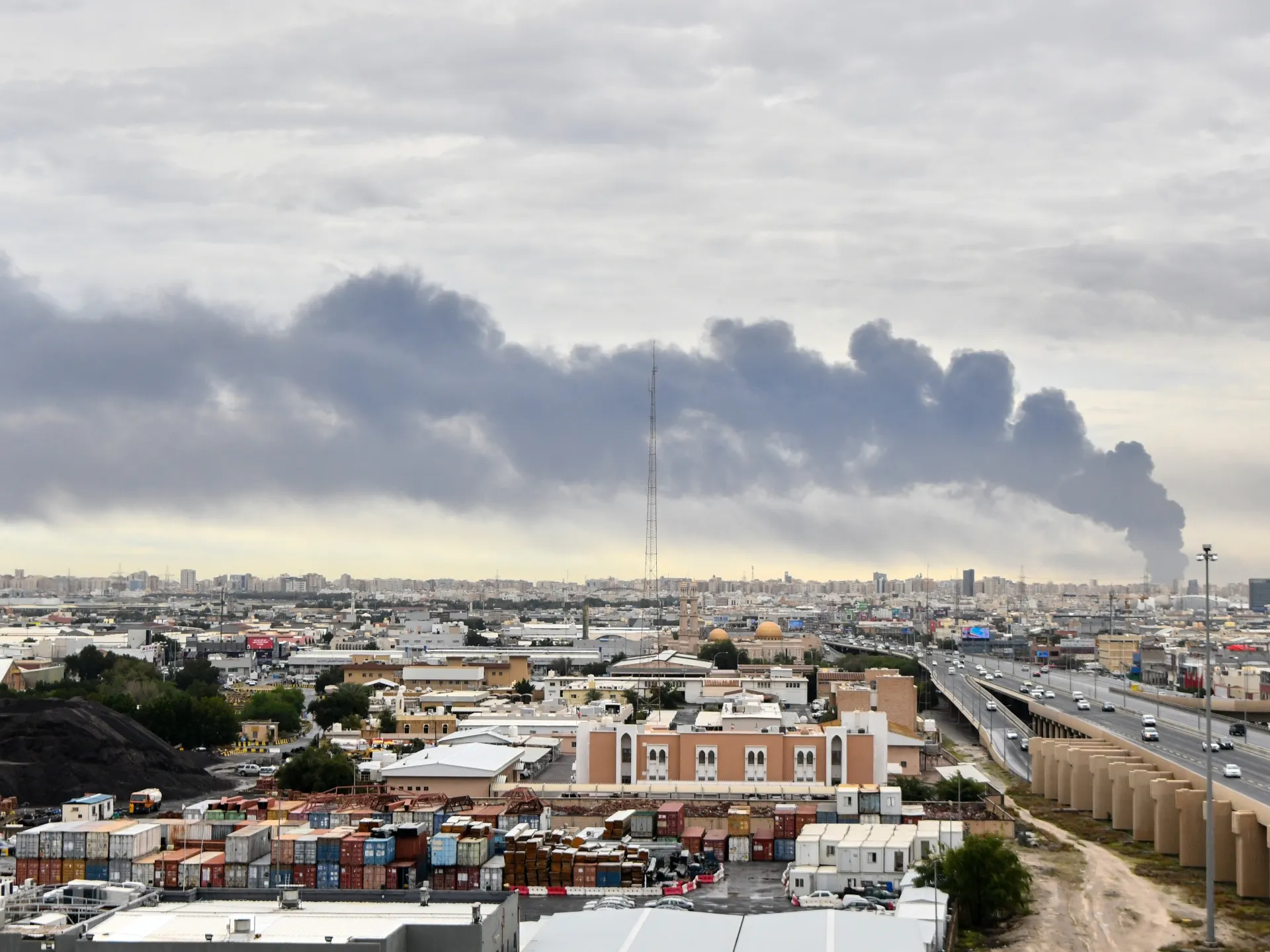
Iran’s Islamic Revolutionary Guard Corps (IRGC) launched a retaliatory strike against a US airbase in Kuwait on Monday, claiming the facility was used to attack an Iranian communications tower on Sirik Island. The IRGC Aerospace Force stated that its fighters targeted the airbase where the aggression originated, asserting that predicted targets were destroyed. The move marks a direct breach of the fragile ceasefire that has been in effect since 8 April, escalating military hostilities just as diplomatic channels attempt to formalise a truce extension.
Kuwait’s defence systems intercepted incoming missiles and drones as sirens sounded across the country, according to the state news agency KUNA. The Kuwaiti Ministry of Foreign Affairs issued a formal condemnation of the attacks, stating that such aggressions undermine de-escalation efforts and threaten regional security. The ministry affirmed that the repetition of these actions jeopardises stability in the Gulf, where Kuwait hosts significant US military assets.
The Iranian strike follows US Central Command (CENTCOM) operations over the weekend, which Washington attributed to the shootdown of a US MQ-1 drone over international waters. CENTCOM confirmed that US fighter aircraft eliminated Iranian air defences, a ground control station, and two one-way attack drones, noting that no US troops were injured. The command emphasised that these actions were taken in self-defence and that the US would continue to protect its assets during the ongoing ceasefire.
Despite the exchange of fire, indirect negotiations continue between the two nations to extend the truce for a further 60 days. Reports indicate a potential memorandum of understanding (MoU) would require unrestricted shipping through the Strait of Hormuz, the removal of sea mines within 30 days, and Iran’s commitment not to develop nuclear weapons. However, US media reports suggest President Donald Trump has toughened the terms of the framework, requesting several amendments to the preliminary agreement reached by envoys.
Diplomatic progress remains hampered by deep-seated mistrust. Iranian Foreign Ministry spokesperson Esmaeil Baghaei cited Washington’s contradictory positions and Israeli actions in Lebanon as primary causes for delays. Foreign Minister Abbas Araghchi dismissed recent deal reports as speculation, insisting that no conclusions can be drawn until a clear agreement is reached. Meanwhile, President Trump asserted that Tehran “really wants to make a deal,” urging domestic critics to remain patient as negotiations proceed.