Kuwait infrastructure targeted as US-Iran tensions escalate over Strait of Hormuz
Tehran’s retaliation for American military operations results in fires at Kuwaiti power and desalination facilities, while Washington reimposes naval blockade on Iranian ports.
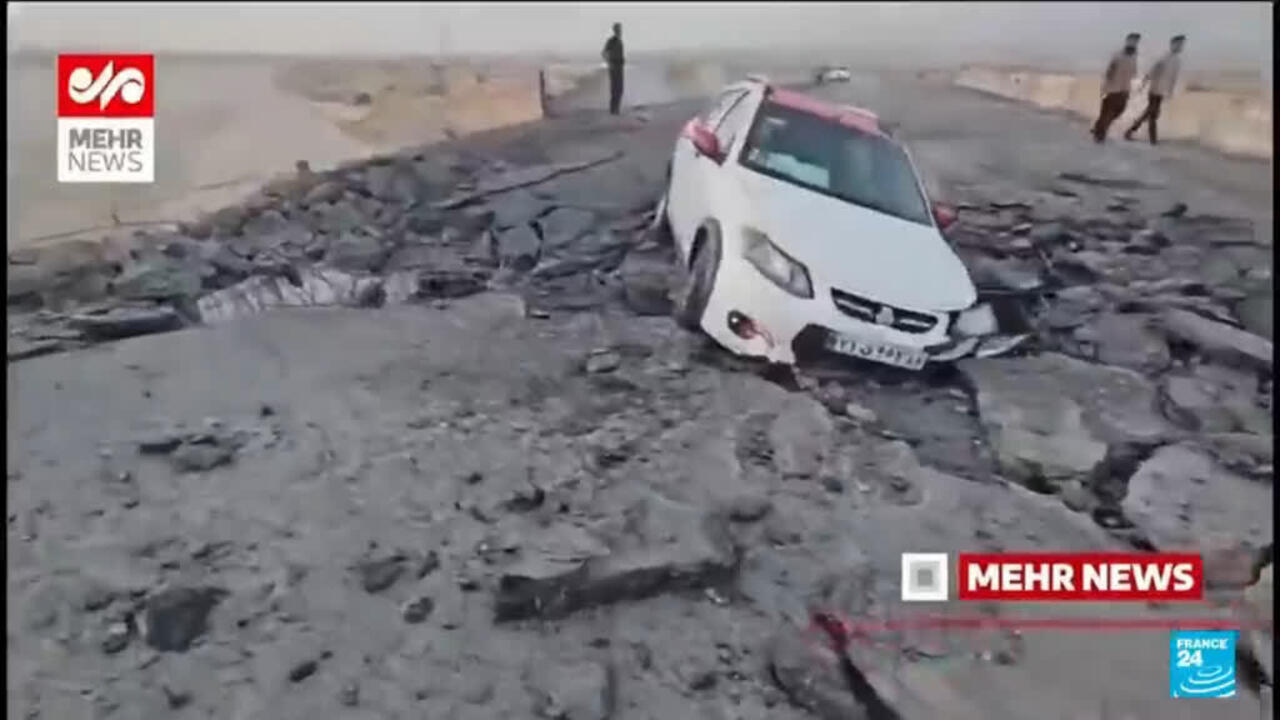
Tensions in the Persian Gulf intensified on Saturday as the United States and Iran continued exchanging military strikes, with the conflict increasingly centred on control of the Strait of Hormuz. US Central Command (CENTCOM) conducted its seventh consecutive night of operations targeting Iranian military infrastructure and maritime capabilities, while Iran launched retaliatory attacks on neighbouring Gulf states, causing significant damage to critical civilian infrastructure in Kuwait.
The most severe impact was reported in Kuwait, where fires erupted at two separate locations following an attack. According to the Kuwait fire service, the blaze affected a power and water desalination plant. The Electricity, Water and Renewable Energy Ministry confirmed that several power stations were also impacted, raising immediate concerns regarding the stability of the emirate’s essential services.
In addition to the damage to utility infrastructure, Kuwait’s state news agency reported that the Kuwait Petroleum Corporation confirmed repeated Iranian attacks on one of its oil facilities. The incident resulted in injuries to workers, marking a direct threat to the country’s energy sector alongside the broader regional instability.
The Gulf Cooperation Council (GCC) issued a strong condemnation of Tehran’s actions, describing the strikes on civilian sites as war crimes. The GCC Secretary-General has previously articulated this position, aligning the regional body’s diplomatic stance with the escalating military reality on the ground.
In response to the broader escalation, which was triggered by Iranian attacks on tankers near the Strait of Hormuz, President Trump reimposed a naval blockade on Iranian ports and revoked sanctions waivers on Iranian oil exports. Washington asserts that the strait must remain open to all traffic. However, Tehran maintains that under an interim peace deal, it retains the right to control maritime traffic in the vital energy channel, creating a diplomatic and legal ambiguity that underpins the current crisis.