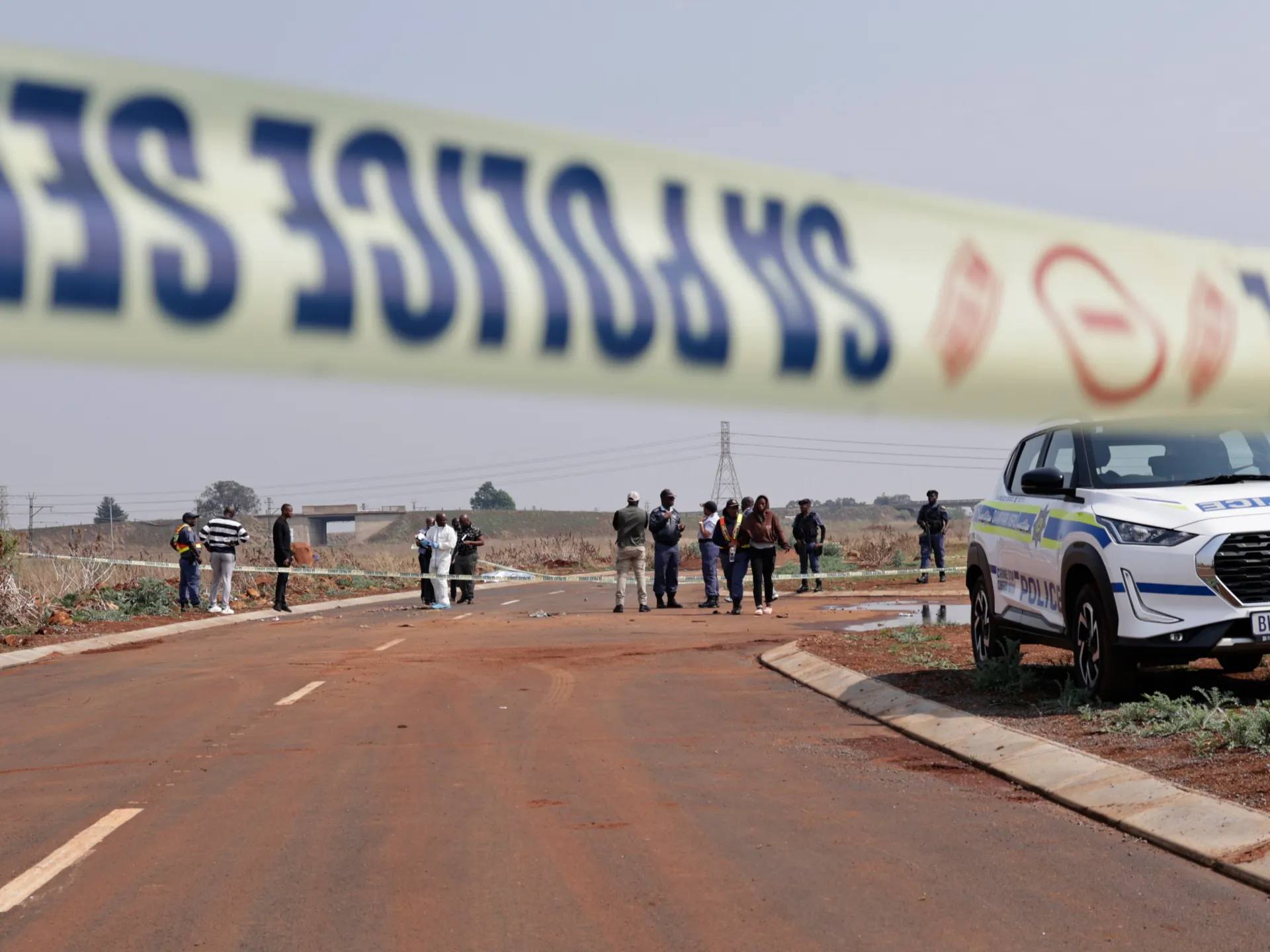
Kuwait and Bahrain Intercept Iranian Projectiles as Middle East Tensions Escalate
Authorities in Bahrain and Kuwait confirm the interception of missiles and drones originating from Iran, while air raid sirens sound in Amman and Israel detects threats aimed at Aqaba.
The risk of a broader conflict in the Middle East has intensified following confirmed interceptions of Iranian-launched missiles and drones by authorities in Bahrain and Kuwait. The incident marks a significant escalation in regional hostilities, prompting immediate security responses across neighbouring states and drawing international attention to the stability of Gulf and Levantine airspace.
Air raid sirens were activated in Amman, the capital of Jordan, coinciding with reports from Israel that Iranian missiles had been detected targeting the coastal city of Aqaba. The proximity of the threat to Jordanian territory has heightened concerns regarding the spillover effects of the escalating hostilities, with security protocols triggered in response to the incoming projectiles.
In response to the developing situation, the US Embassy in Jordan issued a specific advisory via social media, urging American citizens to avoid Aqaba’s airport and seaport. The diplomatic mission cited a "specific and credible threat" as the basis for the precautionary measure, indicating that intelligence assessments have identified a tangible risk to transport hubs in the region.
The coordinated response from Kuwait and Bahrain underscores the operational capacity of regional defence systems to track and neutralise aerial threats. However, the successful interception of these assets has not quelled fears of a wider war, as the origin of the launches from Iran suggests a deliberate expansion of the conflict's geographical scope.
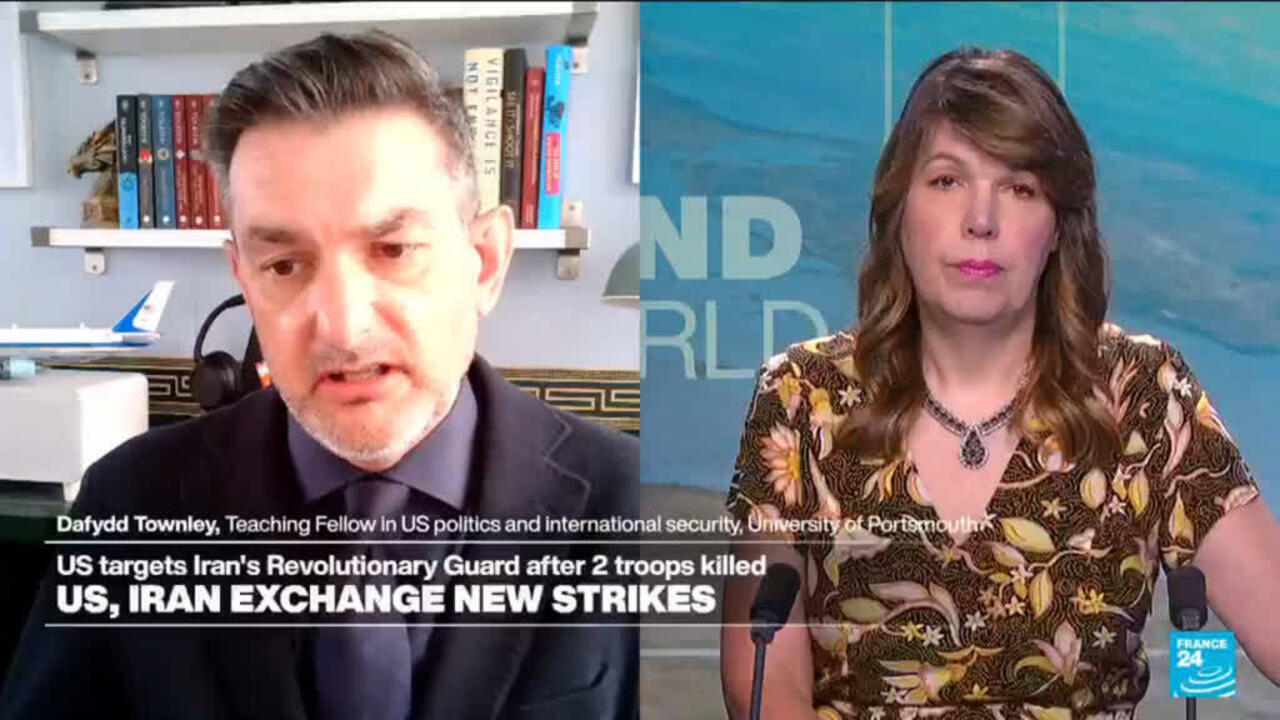
Dafydd Townley, a Teaching Fellow in US politics and international security at the University of Portsmouth, has provided analysis on the implications of this escalation. His commentary highlights the complex interplay of US foreign policy and regional security dynamics as diplomatic and military actors navigate the heightened tensions.
As authorities continue to monitor the situation, the convergence of intercepted projectiles, activated sirens, and targeted travel advisories signals a critical juncture in Middle Eastern security. The incident serves as a stark reminder of the fragility of the region’s peace architecture and the potential for rapid deterioration in the face of direct state-on-state aggression.