Kurti’s Vetevendosje wins Kosovo vote but coalition path remains blocked
With turnout below 37 per cent and no party securing a majority, Kosovo faces another round of difficult coalition negotiations following its third election in just over a year.
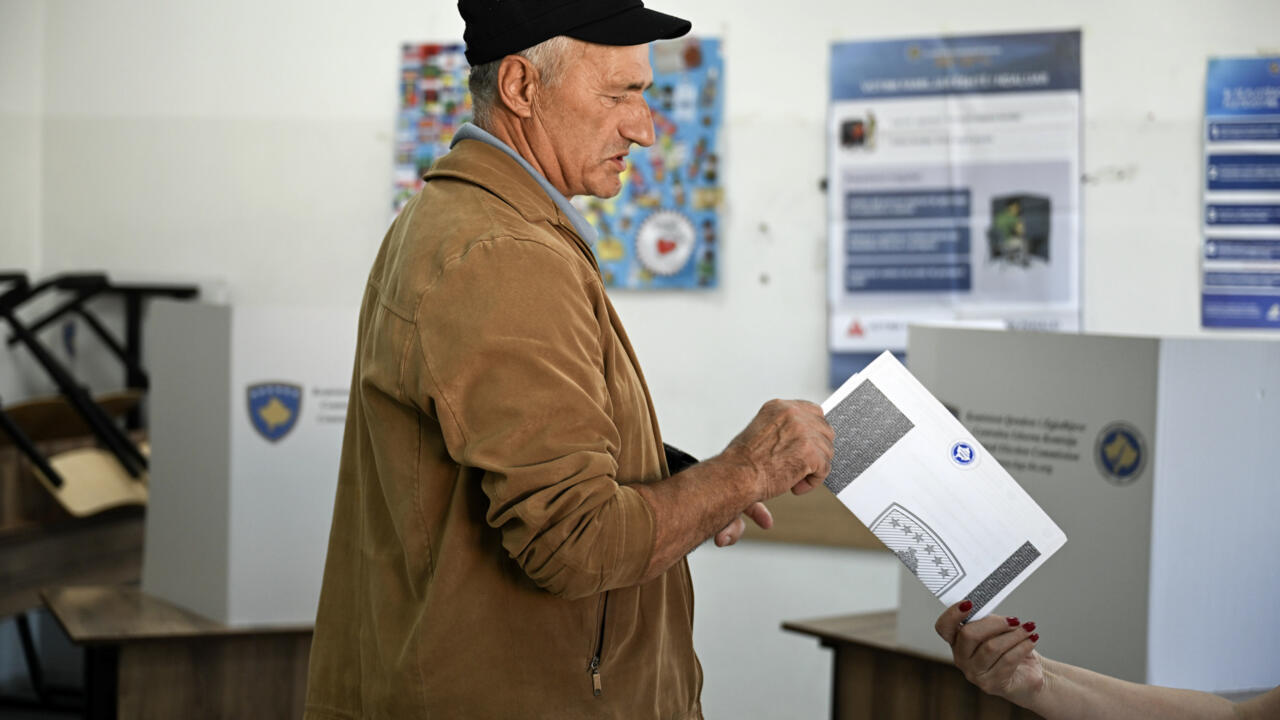
Prime Minister Albin Kurti’s Vetevendosje party secured the largest share of votes in Sunday’s snap election, capturing nearly 43 per cent of the ballot. However, the result falls short of the majority required to govern independently, setting the stage for protracted and difficult coalition negotiations in Europe’s youngest nation.
The outcome marks a decline in support for Kurti’s party, which previously secured 51 per cent of the vote in December 2025. The opposition Democratic Party of Kosovo (PDK) finished second with 21 per cent, while the Democratic League of Kosovo (LDK) took 17 per cent. The election, held against a backdrop of low voter turnout recorded at less than 37 per cent, underscores deepening public frustration with the country’s political instability.
This poll is the third national election held in just over a year, following inconclusive parliamentary votes in February and December 2025, and a failure by the polarised parliament to elect a president in April. Vetevendosje, which blends a leftist agenda with fervent nationalism, had formed a government in December with the support of ethnic minority MPs, but that administration collapsed after an opposition boycott of the presidential vote sank the parliament.
Addressing supporters in Pristina, Kurti framed the result as a mandate for continued governance, stating that the decade would belong to his party. He urged citizens to recognise that higher turnout would translate into greater legitimacy for state institutions. Despite his call for participation, the low turnout reflects widespread voter apathy, with many citizens expressing fatigue over the recurring electoral cycles and the inability of lawmakers to work across political divides.
The economic burden of these repeated elections is significant. The cost of Sunday’s vote was estimated at more than 10 million euros ($11.5 million), excluding campaign spending. When combined with two national and two local elections held in 2025, the total cost of elections has increased fivefold. Experts and citizens alike cite rising living costs and systemic gridlock as key drivers of this crisis, with some describing the situation as the most severe since Kosovo declared independence from Serbia in 2008.
Analysts warn that the current political deadlock is unlikely to be resolved quickly, as the problem is described as systemic. The inability to form a stable government exacerbates economic challenges in one of Europe’s poorest countries, where many young people are migrating abroad for work. With coalition talks expected to be challenging, Kosovo remains in a state of political uncertainty, grappling with both institutional fragility and public discontent over the cost of governance.