Kremlin signals conclusion to Ukraine war as Victory Day parade proceeds without hardware
Russian President Vladimir Putin has stated the war in Ukraine is coming to an end, offering a conditional meeting with Volodymyr Zelenskyy only after a comprehensive accord is signed, following a subdued Victory Day parade and a US-brokered ceasefire.
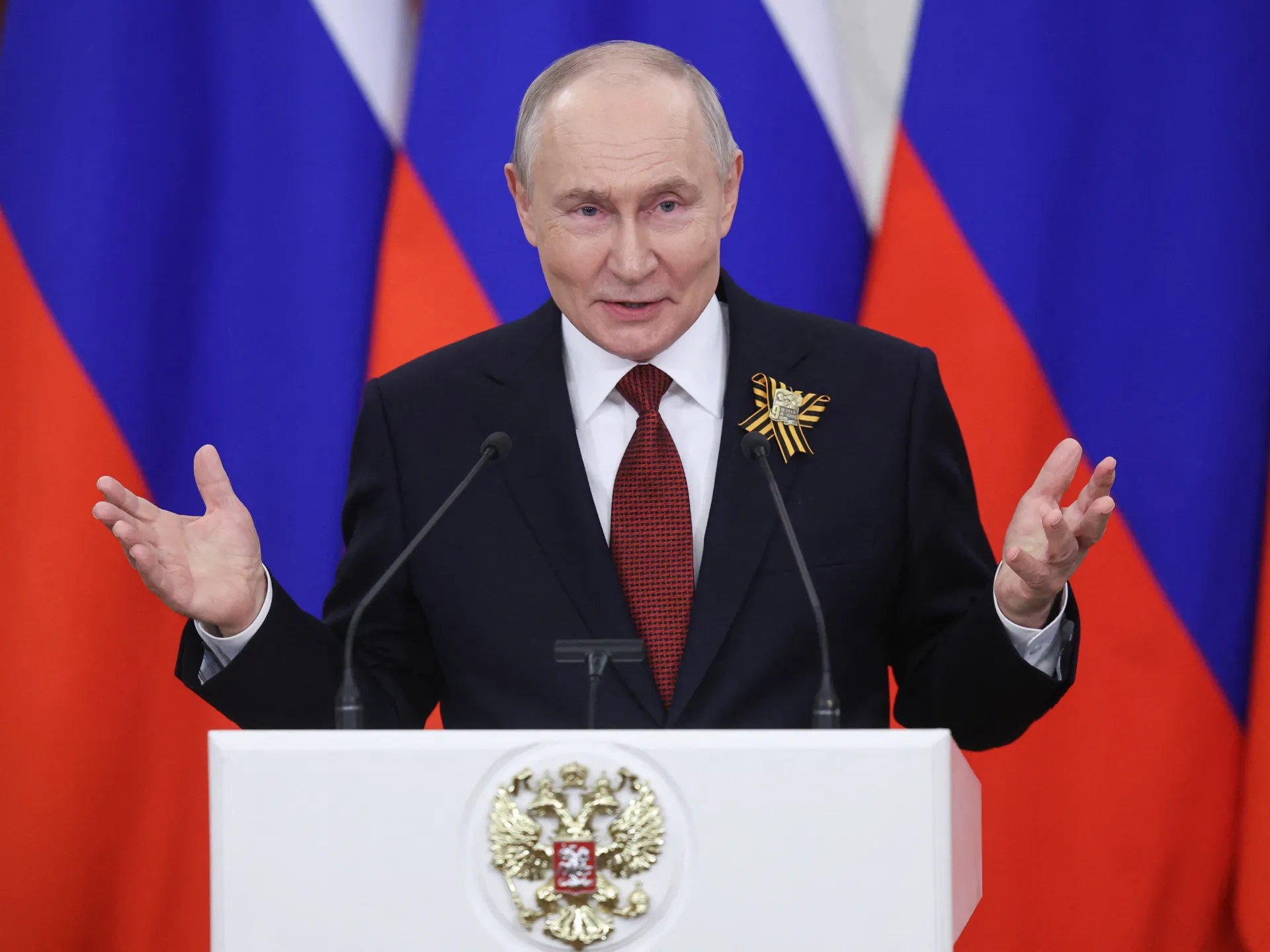
Russian President Vladimir Putin has declared that the war on Ukraine is coming to an end, a statement made hours after a significantly scaled-back Victory Day parade in Moscow. The event, which commemorates the Soviet victory in World War Two, proceeded without the usual display of rolling military hardware, including tanks and missiles. This absence marked the first such occurrence in nearly two decades, with giant screens utilised instead to display military equipment.
Concurrently with the parade, a three-day ceasefire agreement involving the exchange of 1,000 prisoners was reportedly brokered by US President Donald Trump. The Kremlin described the conflict as a just cause against an aggressive force supported by the entire NATO bloc, yet Putin explicitly stated that any meeting with Ukrainian President Volodymyr Zelenskyy in a neutral third country would only occur after a final peace treaty is signed. He emphasised that such an engagement must be contingent on a lasting agreement to ensure a long-term historic perspective, rather than serving as a step within ongoing negotiations.
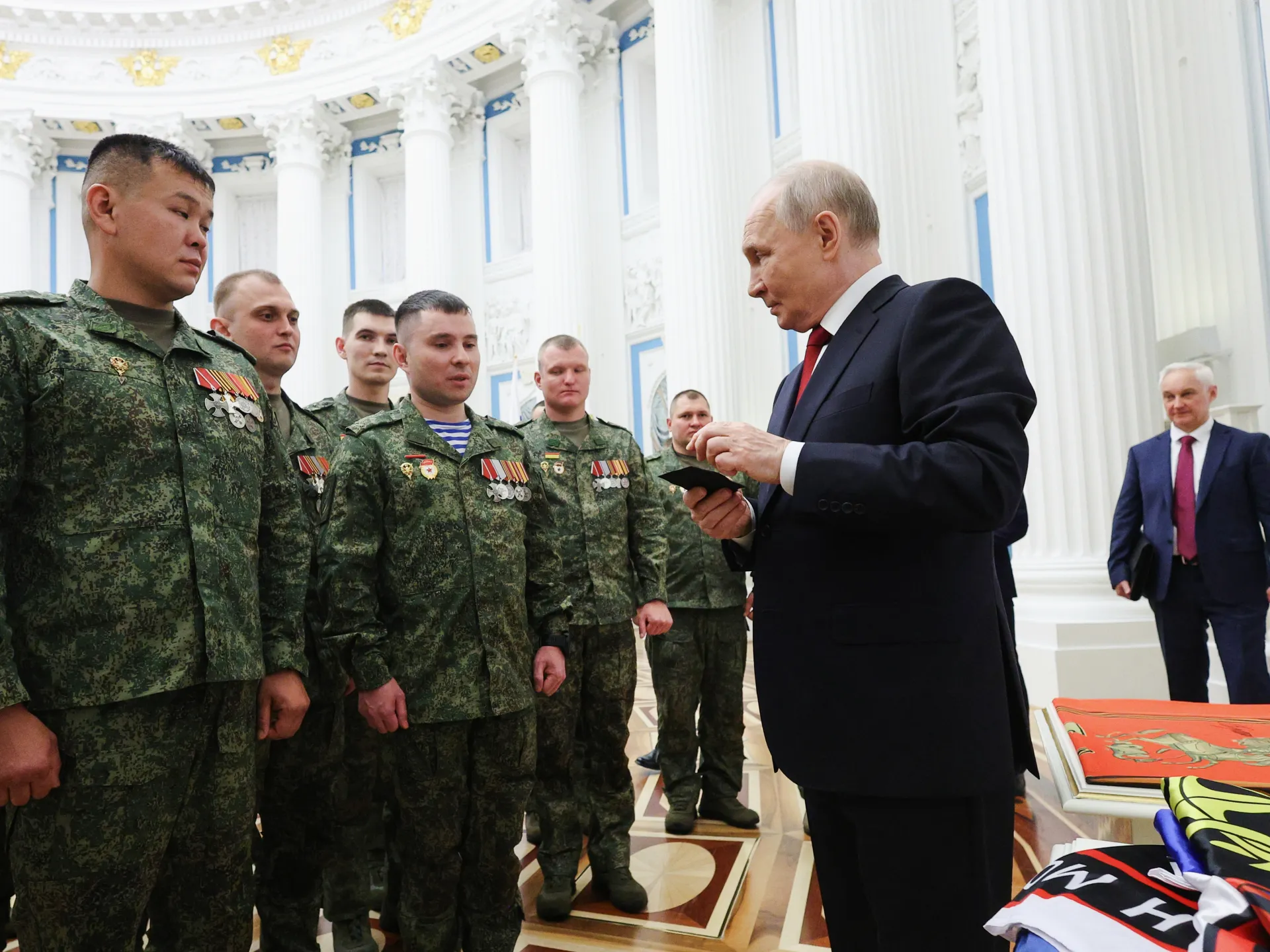
The shift in parade logistics highlights a notable change in the presentation of Russian military power. For the first time, the event featured troops from North Korea, acknowledging their deployment to fight alongside Russian forces in the Kursk region. This inclusion serves as a tribute to Pyongyang, which sent soldiers to repel a Ukrainian incursion into Russia. The holiday honours the 27 million Soviet citizens who died in the conflict, a figure that underscores the historical weight of the event despite the reduced physical display of arms.
Putin blamed Western globalist elites for the war, alleging they promised NATO would not expand eastward after the fall of the Berlin Wall before attempting to draw Ukraine into the European Union's orbit. He noted that Russian troops have been fighting for more than four years, a duration exceeding the Soviet forces' engagement in World War Two. However, Russian forces have so far been unable to take the whole of the Donbas region, where Kyiv's forces have been pushed back to a line of fortress cities.
In the context of future European security arrangements, Putin identified former German Chancellor Gerhard Schroder as his preferred negotiating partner. The Russian leader cited their longstanding friendship as the basis for this choice, although Schroder remains a controversial figure in Germany due to his past work for Russian state-owned energy firms. This suggestion comes as European Council President Antonio Costa has recently indicated potential for talks between Europe and Russia regarding security architecture.
The Kremlin faces a wave of anxiety in Moscow about the war, which has drained Russia's economy and left swaths of Ukraine in ruins. While Zelenskyy has previously proposed meetings with Putin, he has historically dismissed the idea of coming to Moscow for negotiations. The recent diplomatic opening, mediated by Trump, includes a suspension of all kinetic activity and a prison swap, though fears for the festivities had eased only after the US President announced the arrangement.