Krasnodar refinery hit by drone strike as Ukraine targets energy sector
At least two people were killed and a major fire broke out at the Afipsky oil refinery following a drone attack, according to local authorities.
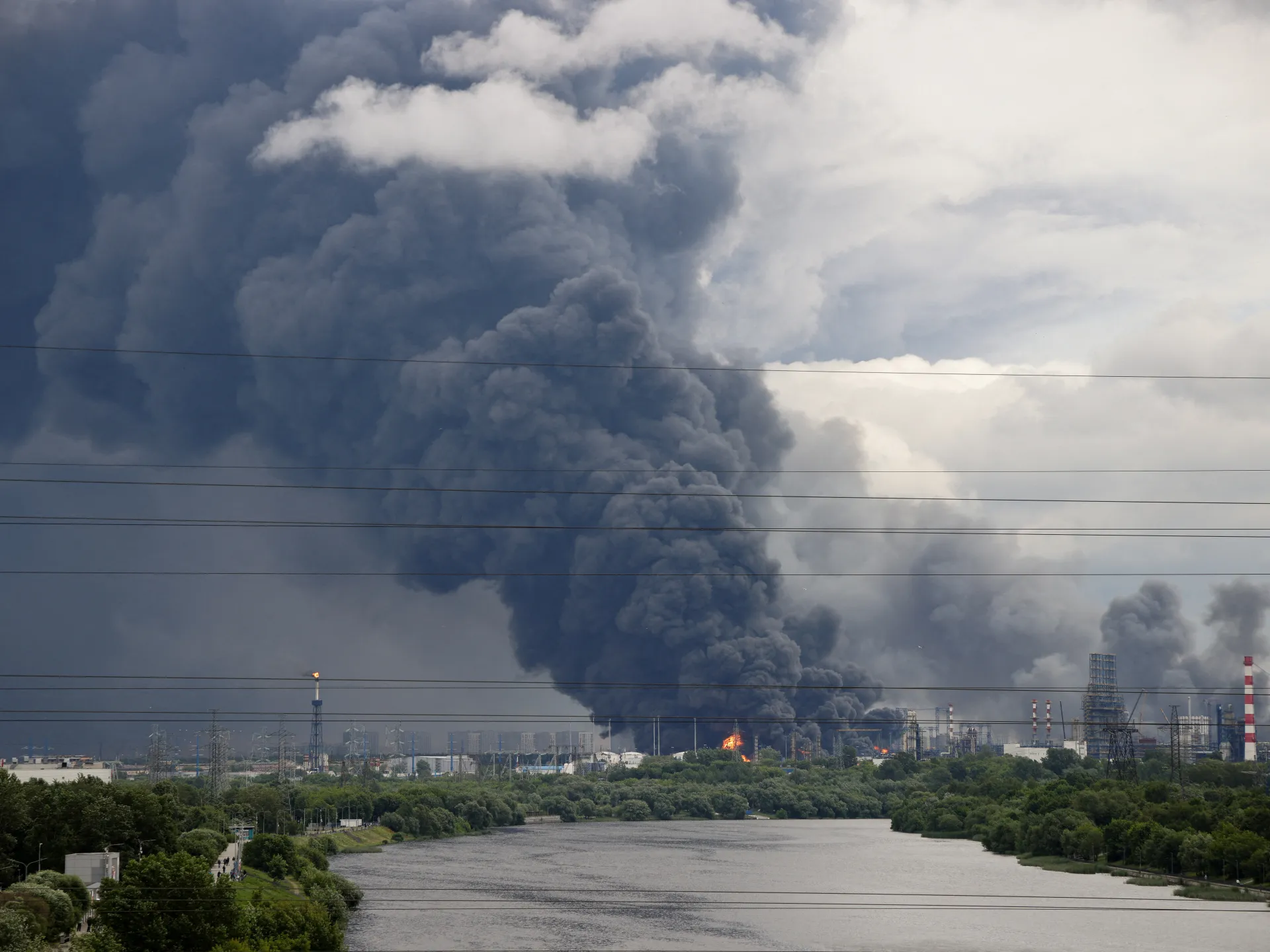
A drone attack on the Afipsky oil refinery in Russia’s Krasnodar region has left at least two people dead and two others injured, local authorities reported on Tuesday. Governor Veniamin Kondratyev confirmed that the casualties resulted from falling drone debris at the Afipsky railway station, while a significant fire broke out at the refinery site.
Ukraine’s General Staff confirmed that its forces struck facilities at Afipsky. The military also reported hitting a gas processing plant in Russia’s Astrakhan region overnight, continuing a sustained campaign targeting Moscow’s energy infrastructure to reduce financial revenue and undermine war efforts.
In a reciprocal strike, Russia’s Ministry of Defence said its forces hit a cargo vessel carrying goods for the Ukrainian army in the port of Pivdennyi near Odesa. The ministry also reported damage to port infrastructure used for unloading military cargo and claimed that Russian air defences shot down 148 Ukrainian drones overnight.
The latest strikes follow a diplomatic meeting in Kyiv attended by 30 leaders of the “Coalition of the Willing,” a group established by the UK and France to coordinate support for Ukraine. British Prime Minister Andy Burnham chaired the first meeting, while French President Emmanuel Macron participated remotely.
During an evening address, Ukrainian President Volodymyr Zelenskyy called for increased production of drones and missiles to wage “more attacks” on Russia, aiming to match the frequency of strikes on Ukrainian soil. Finnish President Alexander Stubb also attended, urging allies to help expand Ukraine’s ability to strike deeply inside Russia.
The Kremlin responded by labelling Prime Minister Burnham and President Stubb as belonging to the “party of war.” Meanwhile, President Vladimir Putin signed a decree on Monday allowing the state to take temporary control of critical infrastructure deemed inadequately protected from attack.