Kosovo voters return to polls in third snap election in 16 months
Prime Minister Albin Kurti faces renewed challenge from opposition and former President Vjosa Osmani as instability weighs on economy and EU accession prospects
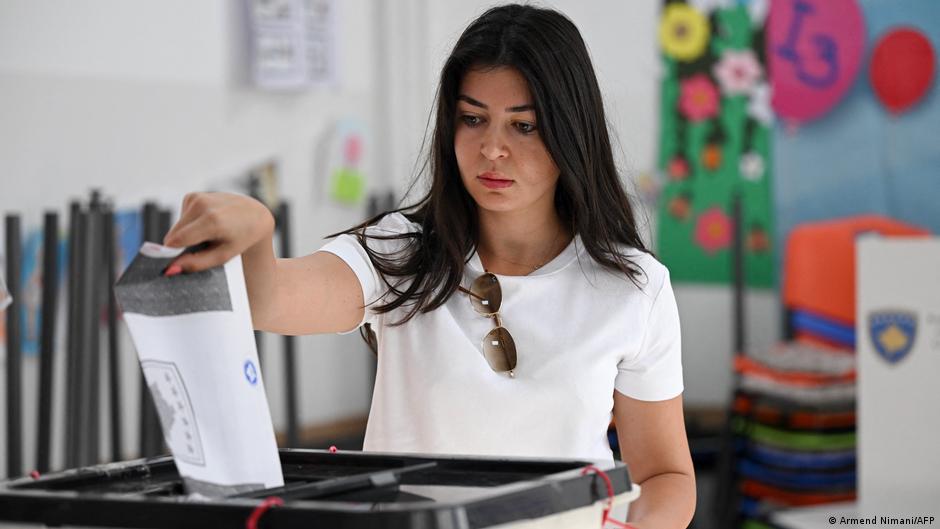
Voters in Kosovo have gone to the polls in a snap parliamentary election, the third in 16 months, following a prolonged political crisis that prevented the assembly from electing a president by the March deadline. The election was triggered by an opposition boycott that blocked the required quorum for President Vjosa Osmani’s re-election, leaving the 120-member assembly unable to meet the threshold of 80 votes necessary for a valid presidential vote.
Prime Minister Albin Kurti’s Vetevendosje party, which secured a parliamentary majority with the support of ethnic minority MPs in December following an inconclusive February 2025 vote, now faces renewed scrutiny. While Vetevendosje holds a clear majority, it does not constitute a sufficient quorum for presidential elections without opposition support, a structural requirement that has now necessitated this early vote.
The political landscape has shifted significantly, with former President Vjosa Osmani now running on the list of the Democratic League of Kosovo (LDK). This move follows Kurti’s refusal to back her for a second term, marking a fracture in the previous political order. She is joined in the contest by the Democratic Party of Kosovo (PDK), with both parties challenging the ruling party’s record on governance and economic management.
The instability has had tangible consequences for Kosovo’s institutional and economic standing. The repeated electoral cycles have further debilitated the country’s already ailing economy and hindered its EU accession aspirations. International observers have noted that Pristina and Belgrade must lay aside their differences to progress with EU membership bids, a diplomatic reality complicated by the internal political fragmentation.
Polling stations opened at 7:00 a.m. local time (0500 GMT) and closed at 7:00 p.m., with preliminary results expected late on Sunday. The outcome will determine whether the assembly can break the current deadlock and restore stability to a state that declared independence from Serbia in 2008 after a 1998–1999 war. Kosovo is recognised by the US and most EU countries, but not by Serbia, Russia, or China, adding external diplomatic pressure to the domestic political calculus.