Kosovo snap election deepens institutional paralysis and stalls EU integration
Prime Minister Albin Kurti and former President Vjosa Osmani face off in a polarised contest that analysts warn is hindering dialogue with Serbia and blocking Kosovo’s path to European Union candidate status.
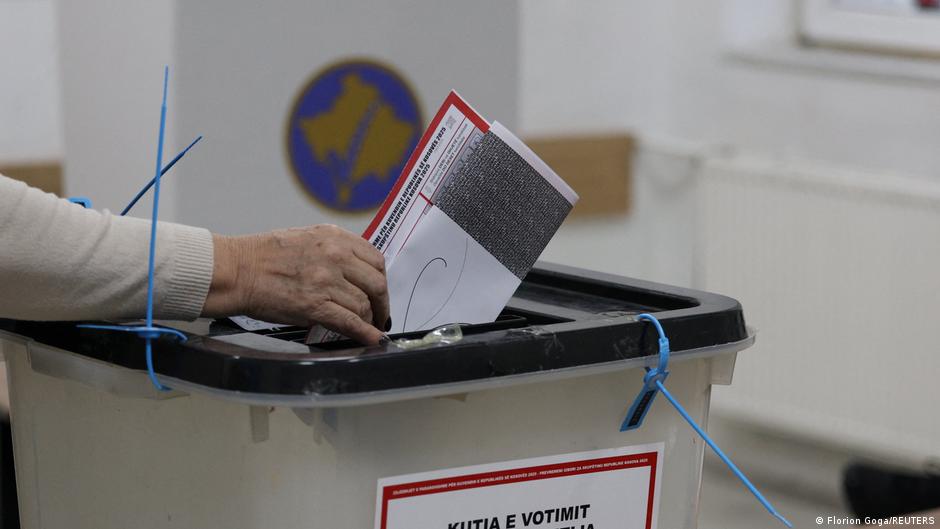
Kosovo held a snap general election on Sunday, marking the third national vote in under 16 months. The election was triggered after parliament failed to elect a new president in April, following the rejection of candidates proposed by Prime Minister Albin Kurti. The vote is defined by a significant rift between Kurti and former President Vjosa Osmani, who have transitioned from political allies to rivals. Osmani, who was supported by Kurti for the presidency in 2021, is now running for parliament as a candidate for the Democratic League of Kosovo (LDK).
The political deadlock has had tangible consequences for Kosovo’s international standing. The country remains the only Balkan nation without European Union candidate status. EU officials have repeatedly stated that integration depends on the success of dialogue with Serbia. However, Kurti’s government has taken unilateral steps in northern Kosovo, including closing parallel Serbian structures such as post offices and document offices, despite criticism from Washington and Brussels. These actions have resulted in punitive measures from the EU and a cooling of relations with key allies.
Analysts warn that the cycle of elections highlights an inability to build institutional compromise. Political scientist Artan Muhaxhiri noted that the large electoral gap between Kurti’s Vetevendosje party and opposition parties has created a new political imbalance. Vetevendosje won 51% of the vote in the previous election in December, approximately 30 percentage points ahead of the Democratic Party of Kosovo (PDK). Muhaxhiri cautioned that if the current results do not produce major changes, the stalemate may continue, deepening stagnation and risking hundreds of millions in financial support.
The political rhetoric has hardened significantly during the campaign. Journalists and analysts noted the use of insulting and polarising language as an electoral tactic. Osmani told supporters at a rally that voters were deciding whether Kosovo would be a state of its citizens or a state of only one man. Alban Zeneli, a journalism professor at the University of Pristina, stated that this harsh language is being used to divide society, leading to physical clashes, threats, and online violence against political opponents.
The consequences of the current situation extend beyond domestic politics. Arben Fetoshi, a political analyst, argued that the deadlock in dialogue with Serbia cannot be understood without considering Serbia’s aggressive approach and hybrid interference. He suggested that Kosovo’s naivety in ignoring the EU’s position on dialogue only deepens the current stagnation. The key question for the election is whether Kosovo’s politicians are ready to build the culture of compromise they currently lack and return the country to the path of reform and European integration.