Kosovo holds third snap election in 18 months to break political deadlock
Voters return to the polls in a bid to resolve a presidential impasse that has stalled governance and strained the economy, with former President Vjosa Osmani now backing the opposition.
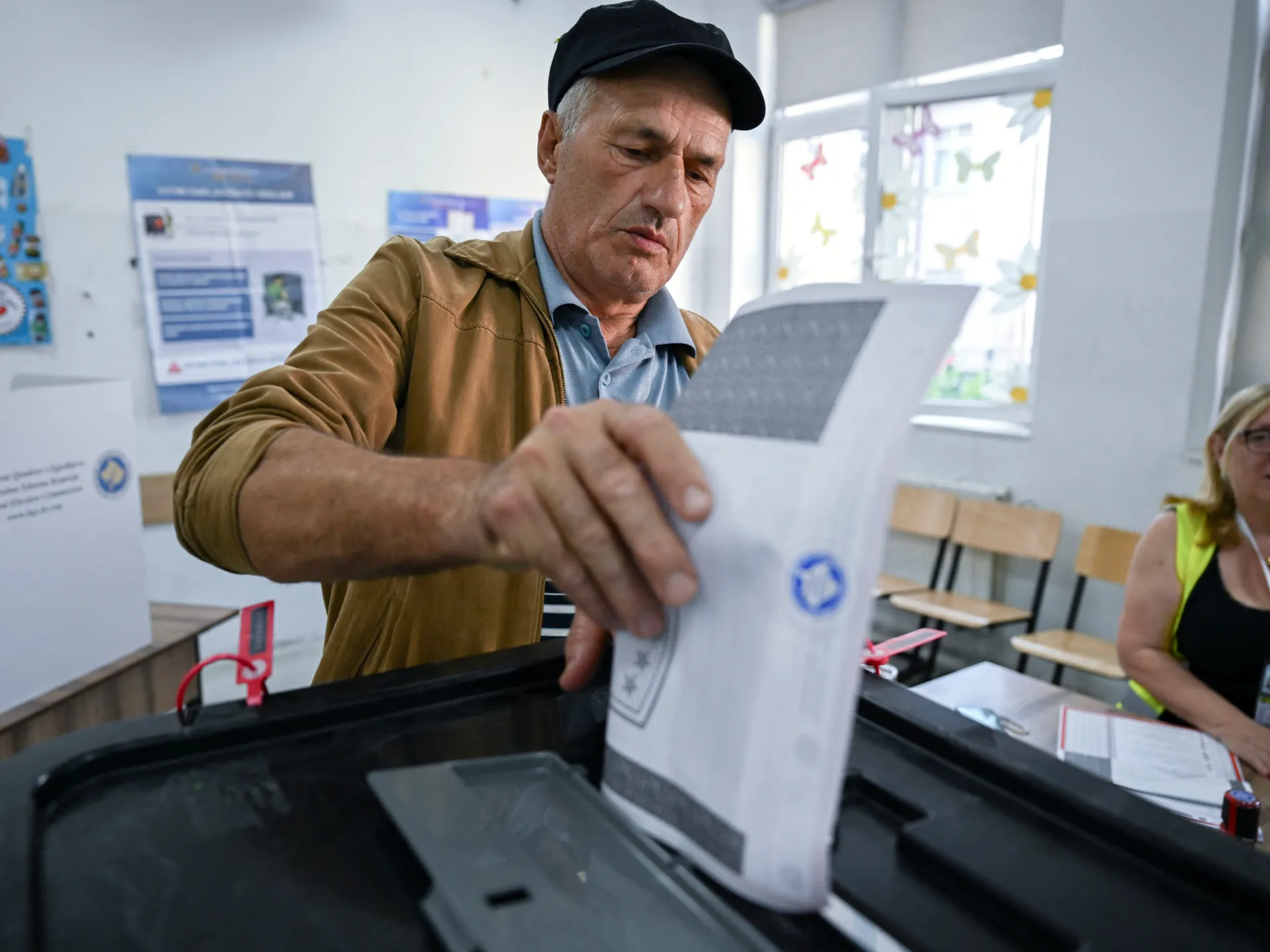
Kosovo has conducted its third parliamentary election in 18 months, an early vote aimed at resolving a political impasse that has hindered the nation’s progress toward European Union and NATO membership. The ballot was triggered after main political parties failed to agree by a March deadline on a successor to former President Vjosa Osmani, following an inconclusive presidential vote in February 2025 that left the country without a functioning government for much of the year.
The election follows a second snap poll in December, which saw Prime Minister Albin Kurti’s centre-left Vetevendosje party retain a clear majority. However, the presidency requires support from at least 80 of the 120 assembly members, necessitating a broader consensus that has remained elusive. The political landscape has shifted significantly, with former President Osmani now running on the opposition Democratic League of Kosovo (LDK) list after breaking with Kurti over his refusal to support her for a second term.
Kurti faces challenges from the two main opposition parties, the Democratic Party of Kosovo (PDK) and the LDK, which have accused him of attempting to impose full control over all political institutions. This institutional deadlock has had tangible economic consequences, delaying access to EU and other international funds in a country already strained by the global energy crisis and rising fuel prices. Kosovo, one of Europe’s youngest and poorest nations, declared independence from Serbia in 2008 following the 1998-99 war.
European Council President Antonio Costa urged Kosovo to end the political impasse during a visit last week, emphasising unity for EU integration. The prolonged crisis has generated disappointment among the country’s two million voters, who are calling for a government focused on the economy and living standards rather than political discord. Analysts do not expect major changes in the election outcome compared to the December vote, though the specific implications for forming a new presidential coalition remain uncertain.
Tensions remain high in northern Kosovo, where the ethnic Serbian minority is concentrated, with both Pristina and Belgrade advised to mend relations to advance their respective EU membership bids. While Kosovo is recognised by the United States and most EU member states, it is not recognised by Serbia, Russia, or China. The timeline for resolving the deadlock and its direct impact on the EU accession process remains unclear.