Korpatsch defends handshake refusal amid French Open line call dispute
Tamara Korpatsch advances to the third round but faces scrutiny over her decision to skip the post-match handshake with Wang Xinyu following a contentious ruling.
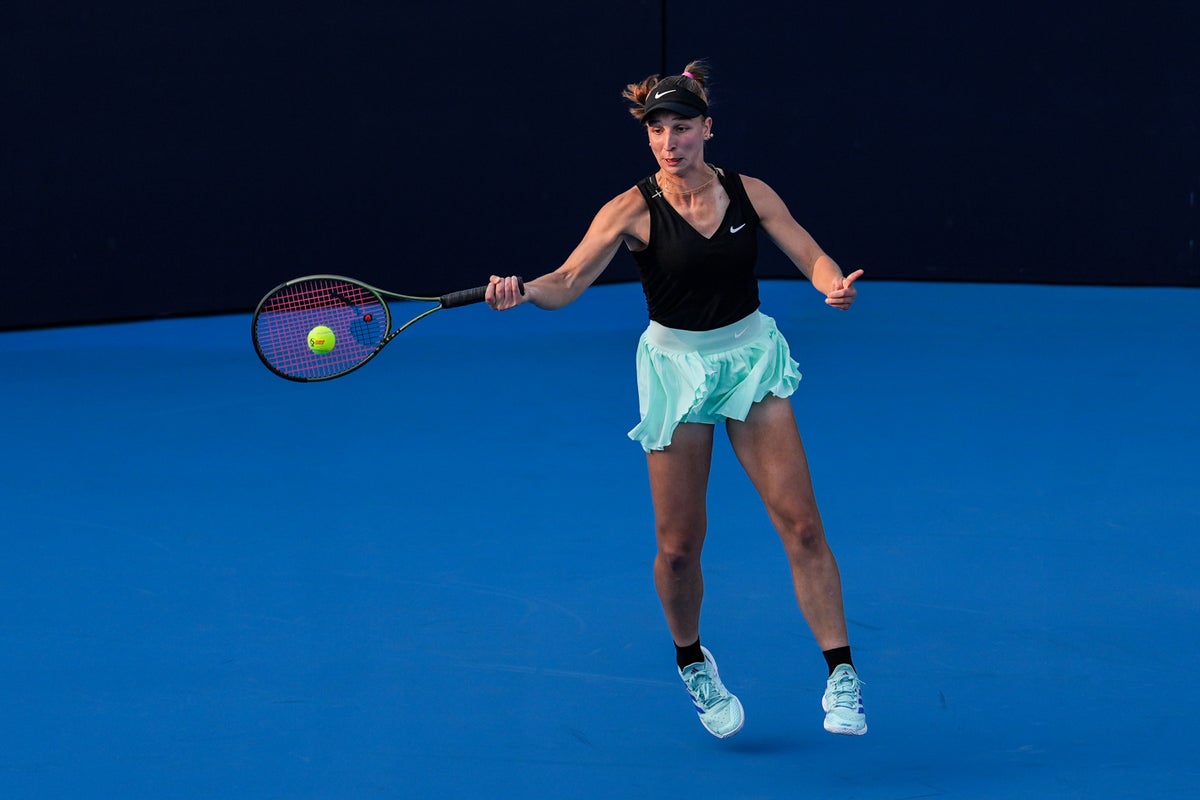
German tennis player Tamara Korpatsch has defended her decision to refuse a post-match handshake with Wang Xinyu following a second-round victory at the French Open. The incident, which occurred after Korpatsch defeated the 32nd seed 6-2, 2-6, 6-3, stems from a dispute over a line call in the opening set that resulted in a code violation for unsportsmanlike conduct.
Tensions escalated late in the first set when Wang struck a shot she believed had landed inside the baseline. Korpatsch pointed to a ball mark outside the court, but Wang crossed the net to inspect the mark on Korpatsch’s side. Chair umpire Aurelie Tourte issued a code violation to Wang for the breach of court boundaries. Korpatsch stated she did not offer her hand because Wang had accused her of being unfair, asserting that the ball was out and that she was not an unfair player.
Korpatsch clarified that there were two visible ball marks: one old and one new, both of which were out. She noted that television replays showed the ball was eight millimetres out, though she admitted she did not know which mark was the correct one until the chair umpire inspected it. Korpatsch explained that Wang told her she was not okay with shaking hands due to the ball marks, leading to the cold encounter.
The German player expressed surprise at the fallout, noting they previously had a good relationship and were not enemies. She defended her integrity, stating she did not know how to cheat and that cameras on court could verify everything. Korpatsch emphasised that she was honest in her belief that the ball was out and relied on the umpire to determine the correct mark.
Unlike the other three Grand Slam tournaments, the French Open does not utilise electronic line-calling systems during play, relying instead on physical ball marks on the clay surface and human officials. This reliance on visual evidence contributed to the dispute. Korpatsch has advanced to the third round, where she will face seventh seed Elina Svitolina.