Knesset Approves Segregated University Programs as Bnei Brak Retreats from Street Separation
The Israeli parliament has passed legislation permitting gender-segregated postgraduate studies, while the Bnei Brak municipality has halted plans for permanent street segregation following public backlash.
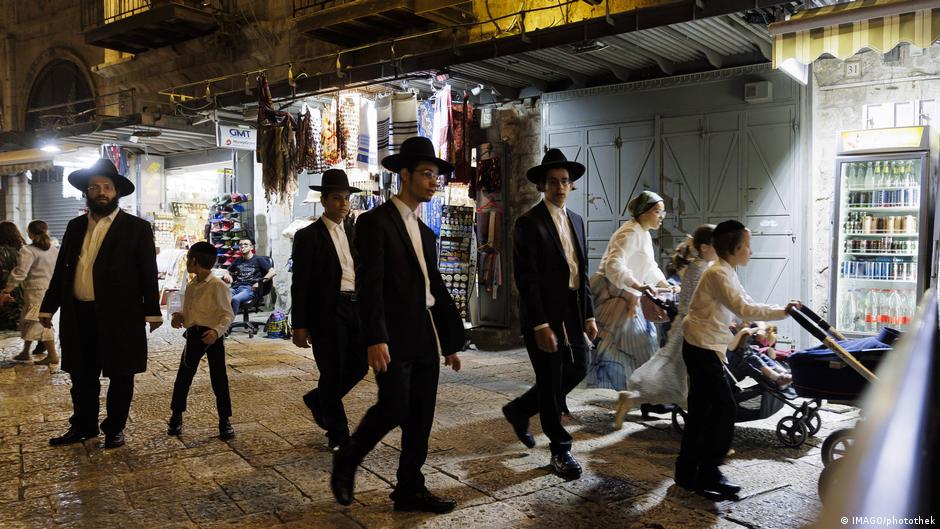
The Knesset has approved legislation permitting universities and colleges to offer segregated master’s and doctoral degree programs, a move that has drawn sharp criticism from academic institutions. The vote, one of the final actions of the current parliament before its dissolution for elections on 27 October, expands existing permissions that previously applied only to bachelor’s courses. While proponents argue the measure facilitates educational access for conservative women, local universities have protested that the policy could undermine academic standards in specialised fields such as medicine and health.
Parallel to the legislative change, the Bnei Brak municipality has halted plans to physically separate men and women on public streets following fierce criticism. The ultra-Orthodox city, home to approximately 200,000 people, had begun widening sidewalks and erecting barriers on Shlomo HaMelech street to enforce separation. However, administrators have since removed installed signs and backtracked on permanent segregation, stating they may only temporarily rearrange streets for large events such as weddings.
The debate in Bnei Brak highlights the tension between religious customs and the use of taxpayer funds in public spaces. While gender segregation is common in Orthodox synagogues and at holiday ceremonies, the proposed street separation would have made the city the first in Israel to enforce such measures in neutral public areas. Opponents fear the initiative could set a precedent that strengthens Orthodox hardliners, particularly as the country approaches the October 27 polls.
Previous attempts to impose mandatory segregation have been struck down by the Israeli Supreme Court. In 2011, the court ruled against gender separation on public buses, and in 2017, it ordered the city of Beit Shemesh to remove "decency signs" that prescribed female dress codes and restricted women’s access to certain sidewalks. Opponents of the Bnei Brak plans have filed an urgent appeal, seeking a similar judicial intervention to halt the temporary arrangements.
These developments occur amid rising political pressure from ultra-Orthodox groups and shifting demographics, with Orthodox families exhibiting higher birth rates than non-Orthodox ones. The current ruling coalition, led by Prime Minister Benjamin Netanyahu, has also passed laws limiting the prosecutor general’s powers, increasing government influence over media, and designating Torah study as a foundational constitutional value. These measures are viewed by critics as attempts to prevent Orthodox men from mandatory military service, a long-standing divisive issue in Israeli society.