Klopp appointed Germany head coach amid systemic concerns and Red Bull controversy
The German Football Association signs the former Liverpool manager to a four-year deal following Julian Nagelsmann’s resignation, but critics question whether the hire addresses deeper structural issues.
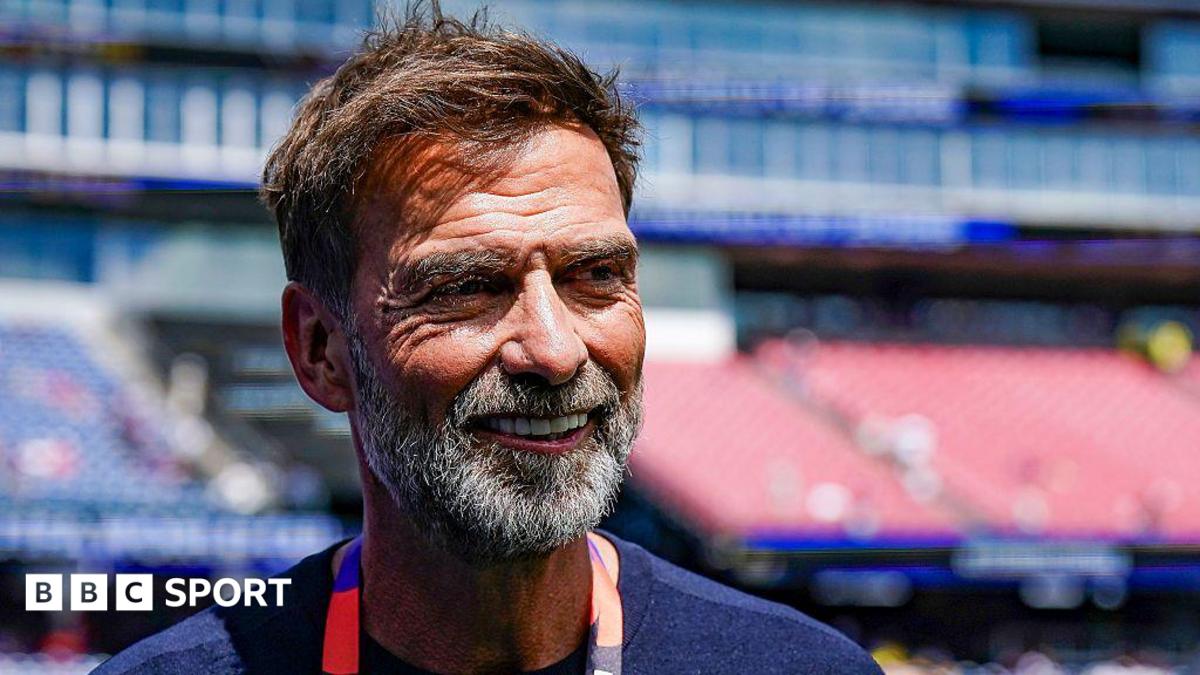
The German Football Association (DFB) has formally appointed Jurgen Klopp as the head coach of the German men’s national football team, signing a four-year contract that runs until 2030. The 59-year-old succeeds Julian Nagelsmann, who resigned following Germany’s elimination from the 2026 World Cup in a penalty shootout defeat against Paraguay. Klopp’s first match in charge is scheduled for 24 September against the Netherlands in the Nations League, with his tenure set to cover Euro 2028 and the 2030 World Cup.
Klopp plans to build his coaching staff around former Liverpool assistants Pep Lijnders and Peter Krawietz, aiming to replicate the success the trio achieved at the Premier League club. DFB president Bernd Neuendorf described Klopp as the “unequivocal choice” for the position, stating that the association pursued him relentlessly after Nagelsmann’s departure. Neuendorf noted that Klopp embodies the passion and credibility required to restore the team’s prominence after three consecutive early World Cup exits.
The appointment has sparked significant debate within German football, particularly regarding Klopp’s recent role with Red Bull. Since joining Red Bull as head of global soccer in 2024, Klopp has faced criticism from fan groups and former officials who view the multinational’s business model as a betrayal of traditional German football values, specifically the 50+1 rule. Reports suggesting Klopp could continue as a Red Bull brand ambassador have drawn sharp opposition from former DFB president Theo Zwanziger and the fan group Unsere Kurve, who argue the DFB should not accommodate corporate interests.
While a poll by Kicker magazine indicated that 80% of readers believe Klopp is the right choice, some prominent figures have questioned the speed of the appointment. 2014 World Cup winner Bastian Schweinsteiger suggested the DFB may not have considered other candidates, describing Klopp as potentially a “band-aid” for deeper systemic issues. Klopp himself has acknowledged that the problems extend beyond the dugout, telling MagentaTV earlier this month that German football as a whole is facing a turning point requiring fundamental change.
Despite the controversy, many supporters remain optimistic about Klopp’s ability to inspire the squad. Former Germany midfielder Stefan Effenberg suggested the new manager could bring a “new spirit of optimism,” while Borussia Dortmund chief executive Carsten Cramer stated that Klopp embodies qualities currently missing from the national game. Klopp, who cited fatigue as the reason for stepping down from Liverpool in 2024, described the national team job as a special task capable of uniting the country.