Kiyosaki challenges debt-free orthodoxy with asset-led strategy
The Rich Dad, Poor Dad author argues for embracing leverage and alternative assets, diverging sharply from the frugality-focused advice of peers like Dave Ramsey and Suze Orman.
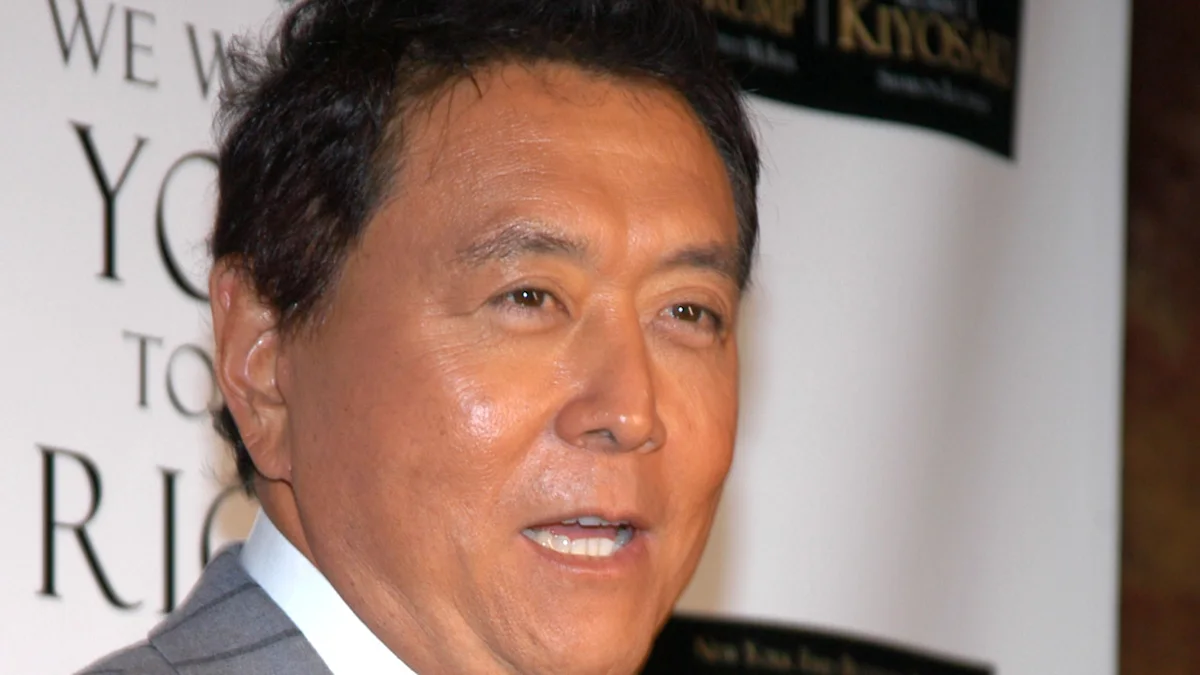
Robert Kiyosaki, author of Rich Dad, Poor Dad, has outlined an investment philosophy that directly challenges the prevailing advice of financial commentators Dave Ramsey and Suze Orman. While Ramsey champions a debt-free lifestyle and Orman emphasises strict budgeting and frugality, Kiyosaki advocates for a strategy focused on growing assets rather than cutting costs. His approach centres on embracing debt to generate cash flow and minimise tax burdens, a perspective he detailed in a 2019 interview with Garrett Gunderson and subsequent comments to Forbes.
According to Kiyosaki, the key to wealth accumulation lies in investing in assets that produce income while leveraging favourable interest rates. He argues that the more debt used on real estate, the lower the tax liability becomes. This strategy prioritises maximum returns and low tax burdens, often through alternative assets and specific tax-shielded accounts such as IRAs. Kiyosaki suggests that with interest rates falling, it is an opportune time for investors to secure better rates for real estate investments, a view he reinforced in his interview with Forbes.
The author is a proponent of alternative assets, including gold and digital currencies, as hedges against economic uncertainty. He describes gold as a “safe haven” asset that cannot be printed in unlimited quantities by central banks, unlike fiat currency. Kiyosaki has also openly shared his position in digital currencies on X, stating he currently owns 76 Bitcoin with aspirations to reach 100. While acknowledging the volatility of crypto assets, he suggests they can be a valuable addition to a diversified portfolio for those who can stomach the risk.
Kiyosaki’s strategy also places significant weight on professional expertise. He argues that accountants, tax experts, and attorneys are essential for minimising tax burdens, famously stating that fear of the IRS is a trait of the “middle class and poor.” This unapologetic stance on leveraging professional advice contrasts with the DIY approach often promoted by other financial gurus, suggesting that seeking expert opinion is crucial for navigating complex financial landscapes.
The article synthesising these views was published by Yahoo Finance, which noted that Kiyosaki’s playbook offers a unique route for investors seeking to build wealth. The piece highlights the divergence between Kiyosaki’s asset-growth model and the cost-cutting focus of his peers, providing a clear alternative for those looking to maximise returns through strategic debt and alternative investments.
Investors considering Kiyosaki’s approach must weigh the benefits of leverage and alternative assets against the inherent risks. While his strategy offers potential for higher returns and tax efficiency, it requires a comfort level with debt and volatile markets that may not suit all investors. The debate between frugality and aggressive asset growth continues to define modern financial advice, with Kiyosaki firmly in the latter camp.