Kiwi reintroduction in Wellington marks first return to capital hills in over a century
Citizens and the local Māori tribe have established a managed sanctuary where chick survival rates now stand at 90 per cent
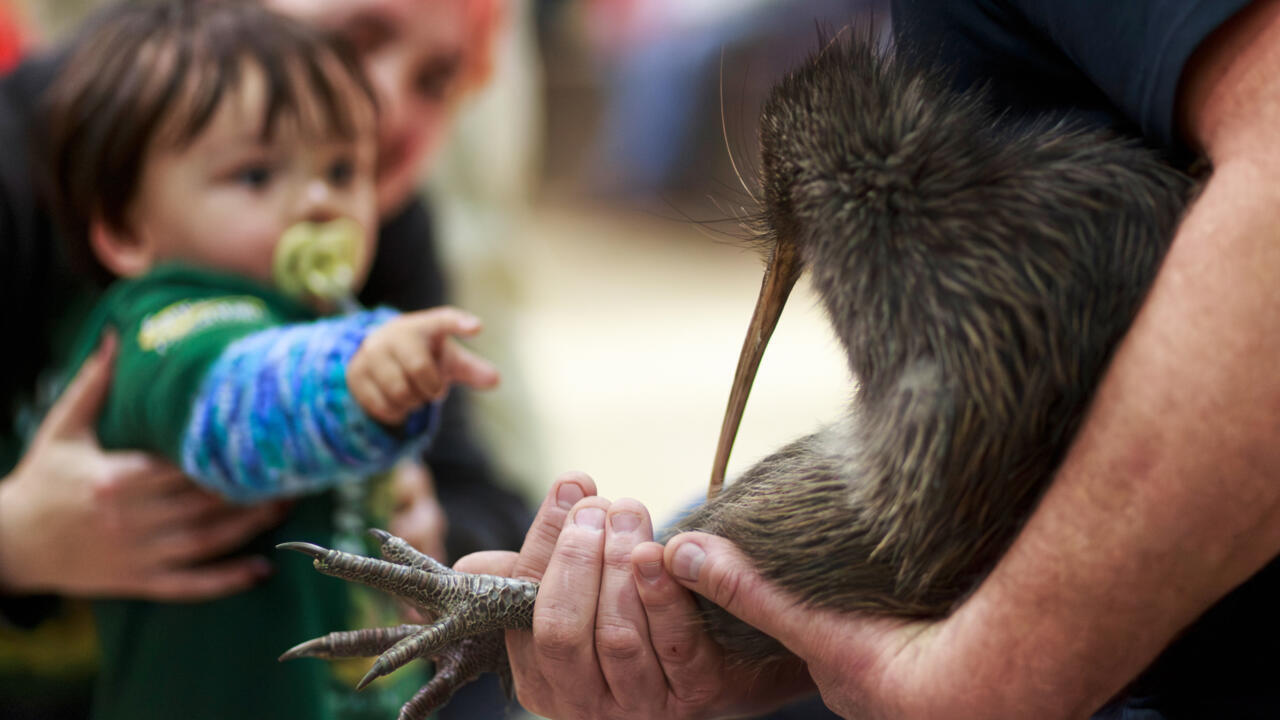
The hills surrounding Wellington have become home to the kiwi bird once again, marking the first successful reintroduction of the species to the area in more than a century. The Capital Kiwi Project has overseen the relocation of 250 kiwis to a 24,000-hectare zone designed to be free of introduced predators. This initiative represents a significant shift in conservation strategy, moving the focus from isolated offshore sanctuaries to urban environments where human density and predator control measures can be managed effectively.
The establishment of this new habitat was the result of sustained collaboration between volunteers, private landowners, and the local Māori tribe. The resulting tract of land is equipped with more than 5,000 traps specifically targeted at stoats, which pose the greatest threat to kiwi chicks. Current monitoring data indicates that this rigorous management approach has yielded a 90 per cent chick survival rate within the Wellington population, a figure that underscores the efficacy of the predator control regime.
On 1 May 2026, seven kiwi birds were released into the Wellington hills as the latest tranche of the reintroduction campaign. Hours prior to their transport to the hillside release site, the 250th bird relocated to Wellington was celebrated inside New Zealand's Parliament. Lawmakers and schoolchildren gathered in the grand banquet hall to witness the event, highlighting the intersection of civic duty and environmental stewardship.
Paul Ward, founder of the Capital Kiwi Project, emphasised that the initiative aims to honour the deep relationship between the people of Wellington and their national bird. He challenged civic leaders and politicians to support this guardianship, arguing that the presence of the kiwi in the city is a matter of identity and belonging. Ward noted that while the bird has historically vanished from the capital due to European settlement and introduced species, the current generation has the means to restore that connection.
This local effort aligns with New Zealand's broader national objective to eradicate all introduced predators, including feral cats, possums, rats, and stoats, by the year 2050. Since the target was established by a previous government in 2016, community groups have taken the work on their own steam, often operating with uncertain funding but driven by a desire to protect threatened species. Parts of Wellington are now entirely free of mammalian predators apart from household pets, allowing native birds to flourish.
The success of the Wellington project suggests a viable model for other urban centres facing similar conservation challenges. By demonstrating that kiwi can thrive alongside people in a bustling capital city, the Capital Kiwi Project is encouraging a shift in how conservation is perceived and implemented. The movement relies on the active participation of everyday citizens who monitor suburbs with military precision for the appearance of a single rat, proving that community-led action can achieve results comparable to state-led programmes.