King Charles III punctuates state visit with historical quips during US tour
The King's remarks on defence contributions drew laughter from President Trump, while a gift from the HMS Trump submarine underscored shared history.
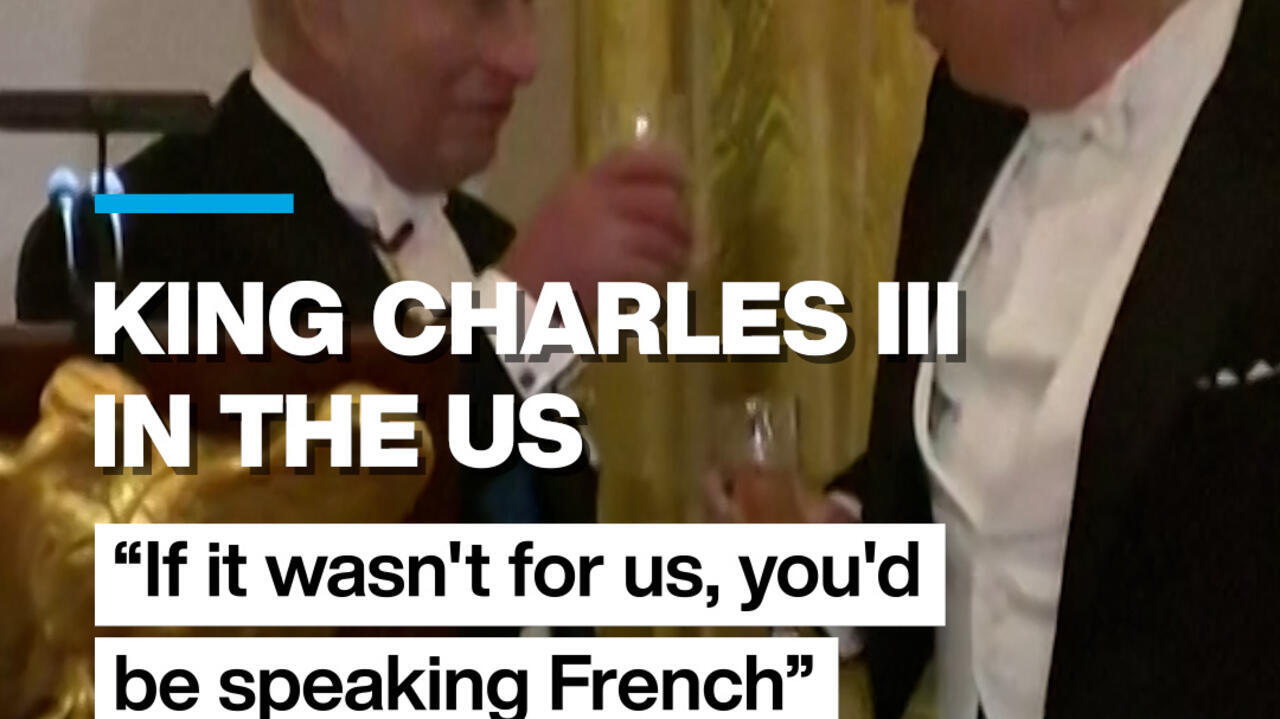
King Charles III punctuated his speeches during a state visit to the United States with a series of jokes delivered in his distinctive style, eliciting laughter from US President Donald Trump and the audience. The engagement, which took place against a backdrop of ongoing diplomatic dynamics between the UK and the US, characterised by both historical alliances and contemporary debates over defence contributions, saw the monarch blend humour with serious policy themes.
During a toast, the King made specific references to historical defence contributions, quipping that without British aid, the United States would be speaking French rather than English. This remark was a direct retort to comments made by President Trump at the Davos summit earlier in the year, where the President claimed European nations would have been speaking German without American assistance in World War II. The exchange highlighted the nuanced nature of Anglo-American relations, where historical narratives regarding military support are frequently revisited in diplomatic settings.
The visit involved a historic address to a joint session of the US Congress delivered on 27 April, followed by a state dinner at the White House. During this dinner, King Charles presented President Trump with a bell from the HMS Trump submarine, which was launched in 1944. The gift symbolised shared history and served as a pun on the phrase "give them a ring," intended to signify the nations' connection.
The state visit proceeded as planned despite a shooting incident at a White House dinner attended by President Trump the previous day. Buckingham Palace confirmed the itinerary remained unchanged following the security event, allowing the diplomatic schedule to continue without interruption. This decision highlighted the administration's commitment to maintaining the diplomatic calendar even in the wake of the security incident, ensuring that high-level engagement remained on track.
While the specific content of the King's jokes beyond the historical reference regarding language and defence contributions is not detailed in the provided source material, the reaction from the President and the audience was clearly positive. The narrative frames the interaction as a response to Trump's previous comments, though the King's precise intent and tone should be described cautiously as implied rather than definitively stated as a direct confrontation.
The event underscores the complex interplay between ceremonial diplomacy and substantive policy discussions. As the four-day state visit continues, the focus remains on how such moments of levity are integrated into broader discussions of security and defence cooperation between the two nations.