Kerala State Election Results Signal End to Five Decades of Left-Wing Rule
Analysts attribute the shift to a perceived institutional drift in the Left Democratic Front's rhetoric and an inability to address evolving social dynamics, despite recent welfare achievements under Chief Minister Pinarayi Vijayan.
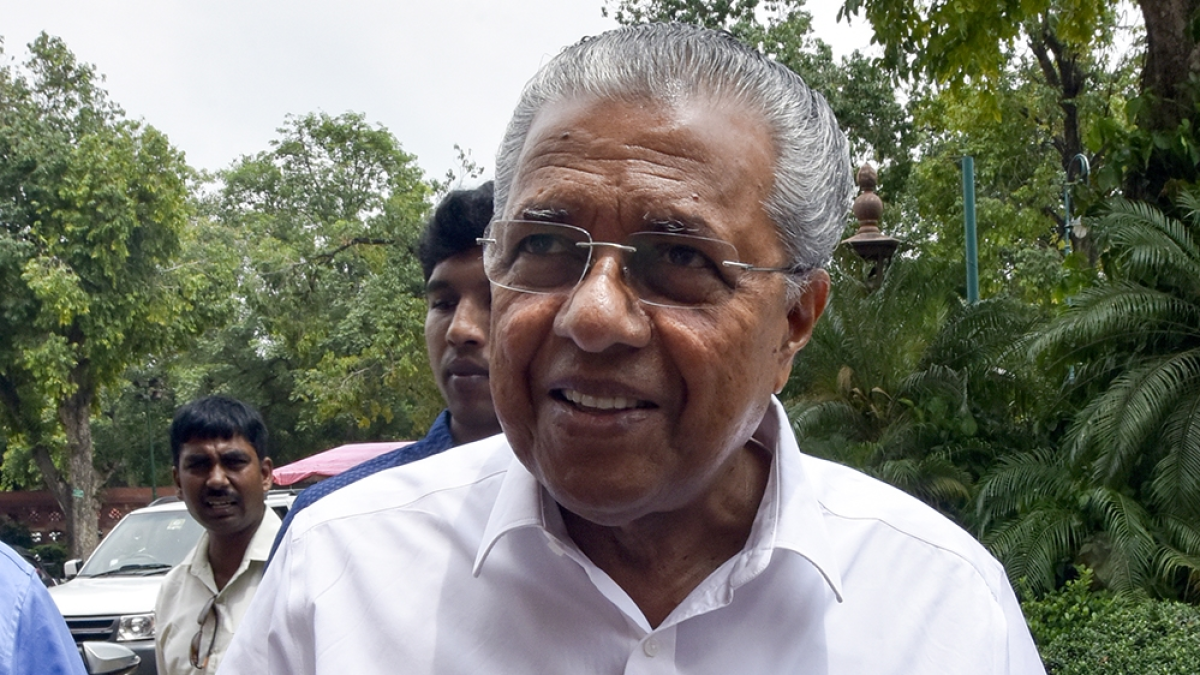
Early election results from the Kerala state legislature indicate that the Left Democratic Front (LDF) has lost power, terminating five decades of continuous left-wing governance in the state. The United Democratic Front (UDF), led by the Congress party, is projected to win or lead in 98 of the 140 legislative seats, compared to 35 for the LDF. This outcome marks the first instance since 1977 that no Indian state is ruled by a left-wing party, fundamentally altering the political landscape of the region.
The outgoing LDF government, led by Chief Minister Pinarayi Vijayan, had recently declared Kerala free from extreme poverty following the completion of the Extreme Poverty Alleviation Project (EPEP). Despite these administrative achievements and a widely praised strategy during the COVID-19 pandemic, the LDF faced a significant electoral defeat. The loss suggests a disconnect between the party's recent performance in social security and the evolving expectations of the electorate.
Political analysts suggest the defeat stems from a perceived shift in the LDF's institutional role. Harish Vasudevan, an independent social activist and public interest litigation specialist lawyer, noted that the party had traditionally played a rebel role against perceived power abuse. However, over the last five years, the party adopted the language of power, which alienated traditional voters. This corrective measure by the electorate appears to have been a primary driver of the LDF's decline in this year's state elections.
Further analysis from Rajarshi Dasgupta, an assistant professor at the Centre for Political Studies at Jawaharlal Nehru University, highlights structural weaknesses within the left movement. Dasgupta points to a lack of young leaders and an incapacity to address critical questions of caste, gender, and the changing nature of capitalism, particularly post-liberalisation. These factors have limited the left's outreach beyond its traditional strongholds, preventing it from adapting to the broader socio-economic shifts in India.
Rahul Verma, a political scientist and fellow at the Centre for Policy Research, stated that this year's results indicate the left may not come to power in any Indian state for the first time. This represents a historic nadir for the political left in India, following a long period of influence that included key moments in national parliamentary negotiations. The decline in the left's parliamentary representation, which dropped from 62 seats in 2004 to just eight recently, underscores a broader trend of erosion in their political clout.
While the immediate political mandate has shifted to the UDF, experts argue that the left retains a vital role as an opposition force. As the gap between the rich and poor widens and financial policies become increasingly corporate-centric, the left's ability to advocate for the unorganised working class remains significant. The persistence of wealth inequality and jobless growth suggests that a reinvention of socialist democratic politics, adapted to the Indian context of the 21st century, could eventually lead to a resurgence.